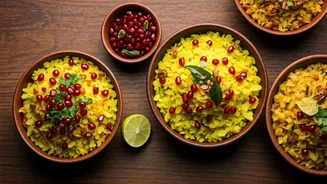




First, What Is Poha?
Before we dive into the obsession, let’s get the basics down. Poha (pronounced PO-ha) is both the name of the ingredient and the finished dish. The ingredient is flattened rice, sometimes called beaten rice. Think of it like rolled oats, but for rice. White
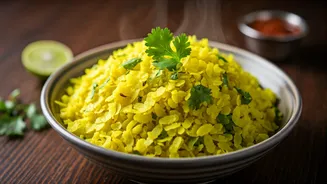
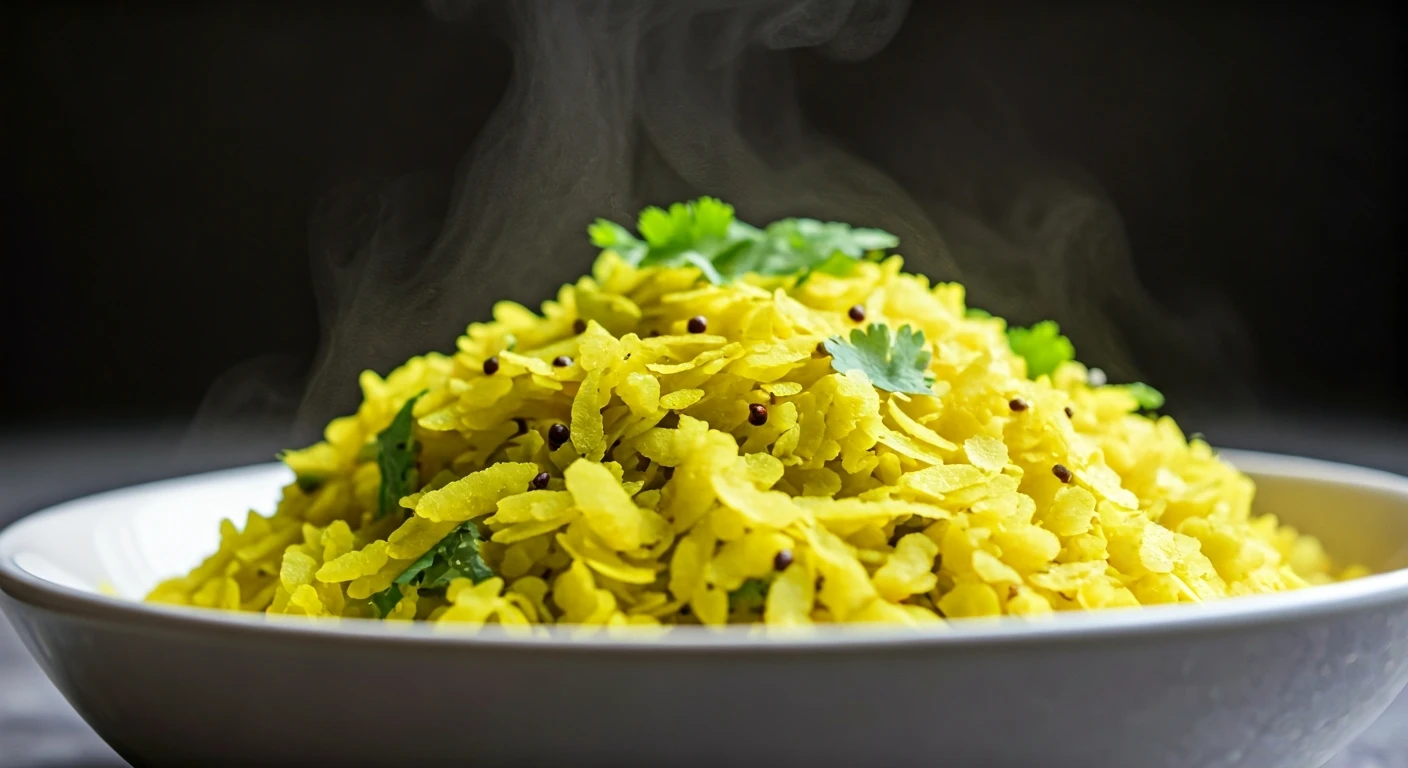
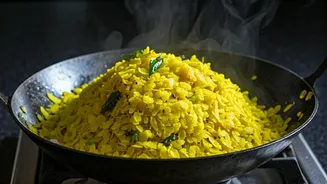
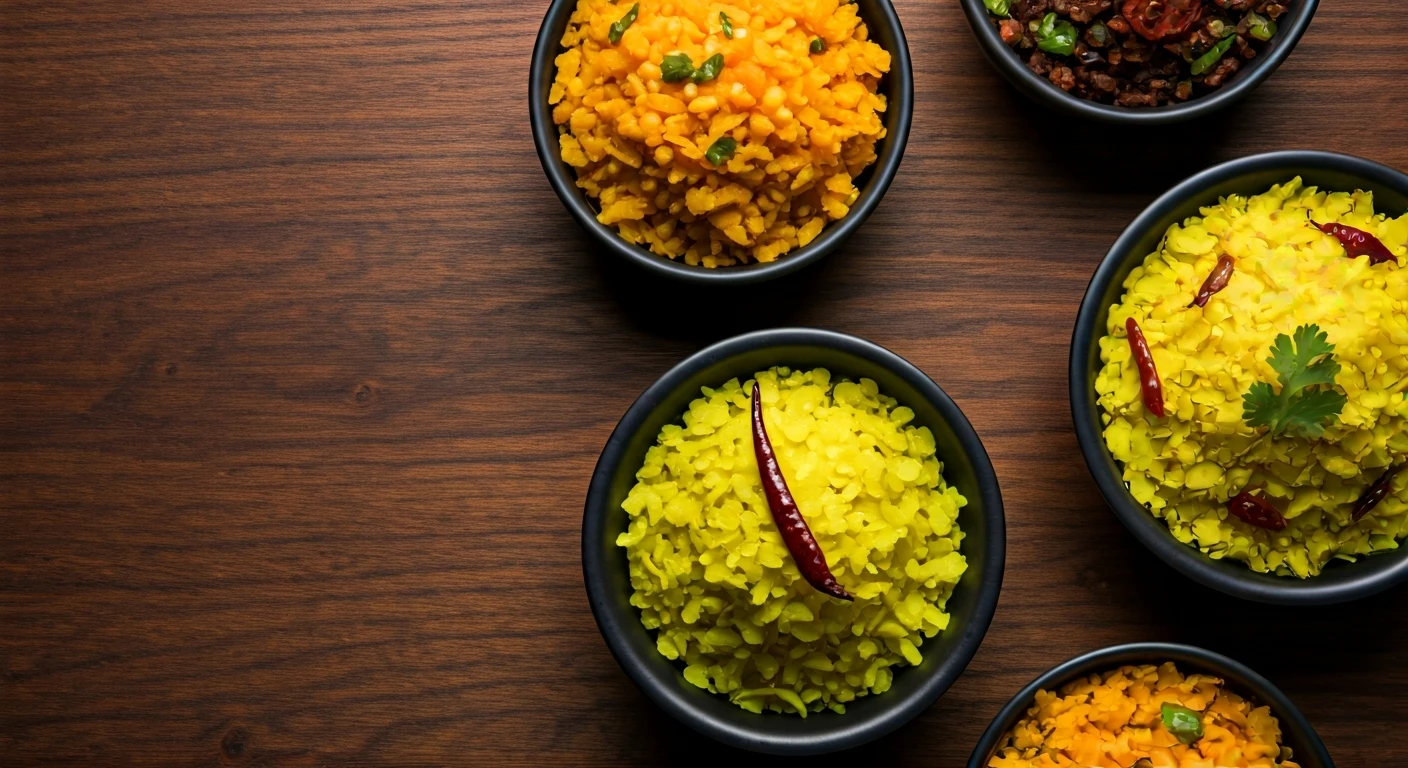
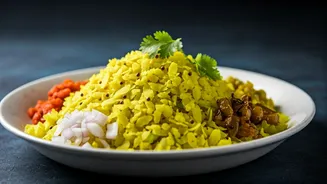
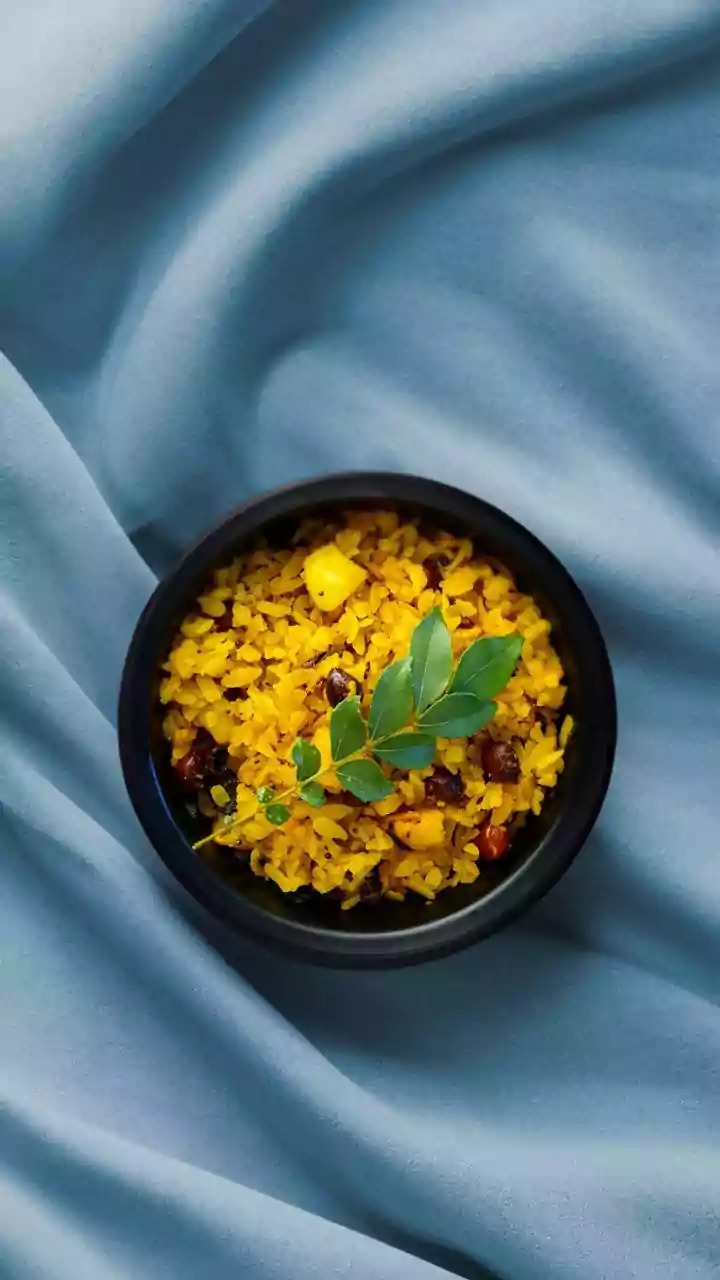
or red rice grains are parboiled, flattened into thin, dry flakes, and then dried. They're incredibly lightweight and cook in minutes, making them the ultimate convenience food. To prepare the dish, the flakes are briefly soaked in water to rehydrate them into a soft, fluffy texture. Then comes the magic: a process called tempering, or tadka. In a hot pan with oil or ghee, cooks sizzle mustard seeds, cumin seeds, curry leaves, and often green chilies. Turmeric gives the dish its signature sunny yellow hue. The rehydrated poha is tossed into this aromatic mix, creating a dish that is light yet satisfying, savory, and endlessly adaptable.
The Humble Breakfast Champion
In the United States, we have our go-to breakfasts: cereal, toast, eggs. In many parts of India, especially in the western and central states, poha is that undisputed champion. It’s the quick breakfast your mom makes on a busy school morning. It’s the comforting snack you buy from a street vendor for the equivalent of a dollar. It’s what you eat when you’re feeling under the weather. It's vegetarian, often vegan, easily made gluten-free, and packs a surprising amount of energy. Its ubiquity is its power. Poha bridges class divides and dietary restrictions. Found in humble roadside stalls and upscale café menus alike, it’s a culinary common ground. This shared love has culminated in the informal celebration of World Poha Day on June 7th, a day when social media floods with pictures of homemade and street-side creations, each post a small declaration of love for this simple dish.
A Map of Regional Pride
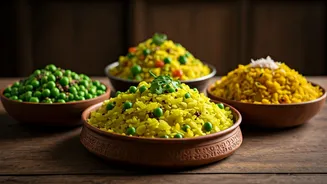
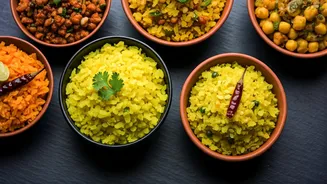
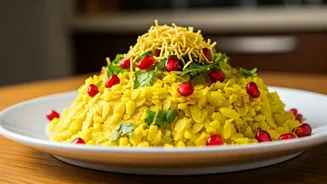
Here's where the “regional and proud” part of the headline comes alive. Arguing about the “right” way to make poha is a beloved pastime. The variations aren't just minor tweaks; they reflect the local palate, ingredients, and history of a region. - Maharashtra’s Kanda Poha: This is the classic version many consider the baseline. Hailing from the state of Maharashtra (home to Mumbai), its name literally means “onion poha.” It’s a straightforward, comforting preparation with sautéed onions, turmeric, and a sprinkle of fresh cilantro and a squeeze of lime at the end. Sometimes peanuts are added for crunch. - Indore’s Street Food Masterpiece: The city of Indore in Madhya Pradesh has elevated poha to an art form. Indori Poha is steamed until impossibly fluffy and is famous for its toppings. It’s generously garnished with crispy chickpea noodles (sev), fresh onions, pomegranate arils, and a dusting of jeeravan, a tangy and spicy local masala blend. It’s a riot of textures and flavors in every bite. - Goa's Coastal Twist: In Goa, you'll find Dadpe Poha, a version that requires no cooking. The dry flakes are mixed with freshly grated coconut, onions, chilies, and tamarind or lime juice. The moisture from the coconut and dressing slowly softens the flakes, creating a tangy, refreshing, and instant salad-like dish perfect for the coastal climate.
More Than Just a Meal
So why does this all matter? Because in a rapidly modernizing and globalizing India, food has become a powerful anchor for local identity. Celebrating Indori Poha over a generic version isn't just about taste preference; it’s a celebration of Indore itself. It’s a way of saying, “This is us. This is our flavor.” In a country with dozens of languages and distinct cultures, food provides a delicious vocabulary for expressing identity. The pride in a regional poha recipe is similar to a Texan’s pride in their brisket or a New Yorker’s defense of their pizza slice. It’s a way to preserve and champion local culture in the face of homogenization. This isn’t an ancient, unchanging tradition, but a dynamic, living one, where every vendor and home cook adds their own signature to a recipe that is both deeply personal and universally understood.