


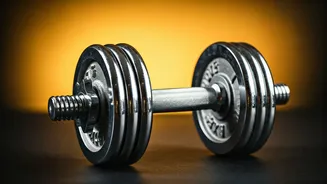
The Old Gym Floor Gets a Makeover
For decades, the American fitness landscape was split. Cardio machines were for everyone—the goal was to burn calories and slim down. The weight room, however, felt like a separate, more intimidating club, reserved for those chasing muscle mass. That
binary is officially breaking down. Strength training has been rebranded, shifting from a niche pursuit for aesthetic gains to a foundational pillar of long-term health. Fueling this change is a growing body of evidence—and a massive cultural mindset shift—that lifting weights isn't just about looking strong, but about being functionally strong for life. This new understanding has opened the door for the two demographics that stand to gain the most: those at the very beginning of their adult lives and those looking to maintain vitality in their later years.
For Teens: Building a Foundation
The image of a teenager lifting weights used to conjure parental fears of stunted growth and joint damage—myths that have since been thoroughly debunked by sports medicine. Today, guided strength training is recognized as one of the best things a young person can do for their physical development. For teen athletes, the motivation is clear: strength, power, and speed are the building blocks of performance. More importantly, a proper lifting program serves as 'pre-hab,' strengthening muscles and connective tissues to prevent the injuries that can derail a sports season or a future career. But it's not just about sports. With the rise of fitness influencers on platforms like TikTok and Instagram, teens are more exposed than ever to exercise science. They're learning about progressive overload and proper form, seeing strength as a skill to be cultivated for overall confidence and well-being, not just for the football field.
For Seniors: Reclaiming Independence
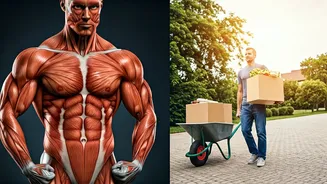
At the other end of the age spectrum, the motivations are just as profound. For older adults, the weight-room shift is a direct fight against the ravages of time. The primary enemy is sarcopenia, the natural age-related loss of muscle mass and function that begins in our 30s and accelerates after 60. Losing muscle isn't just a cosmetic issue; it's linked to decreased mobility, a higher risk of falls, and a general loss of independence. Strength training is the single most effective tool to combat it. Lifting weights, even light ones, stimulates muscle growth and, crucially, improves bone density, helping to stave off osteoporosis. The benefits are immediate and tangible: being able to lift a bag of groceries without help, getting up from a chair with ease, and having the stability and balance to play with grandchildren. For this generation, strength isn't about vanity; it’s about sovereignty.
The Surprising Common Ground
Here’s what’s truly fascinating: though their starting points are decades apart, teens and seniors are pursuing similar goals. Both groups are focused on functional fitness—training movements, not just muscles. They're learning to squat, hinge, push, and pull, mastering the basic mechanics of the human body. This stands in contrast to the body-part splits ('chest day,' 'leg day') that defined traditional bodybuilding. Furthermore, both demographics are discovering the powerful social component of the gym. A 16-year-old and a 76-year-old might find themselves working side-by-side, sharing a machine, and offering a spot. This intergenerational space fosters a unique sense of community, breaking down social silos and centering on a shared goal of self-improvement. They are both rejecting the idea that their age defines their physical potential.