





The Science of a Calmer Home
The idea of bringing the outdoors in isn't just a decor trend; it's a design philosophy known as 'biophilia.' Coined by biologist E.O. Wilson, it describes our innate human tendency to connect with nature. When we can't get outside, bringing natural elements
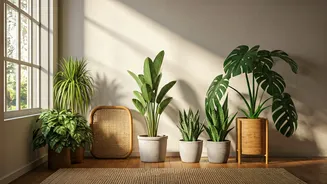
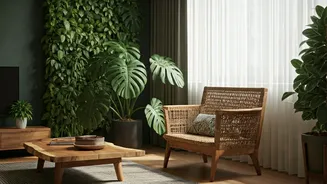
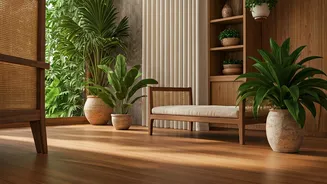
into our living spaces can have a powerful effect. Studies suggest that incorporating plants, water features, and natural light can help reduce stress, lower blood pressure, improve focus, and even boost creativity. It’s about creating an environment that doesn't just look good but feels good on a biological level. Trailing ivy and the gentle sound of a water fountain are two of the simplest yet most effective ways to start practicing biophilic design at home, turning any room into a small-scale natural retreat.
Choosing Your Trailing Greenery
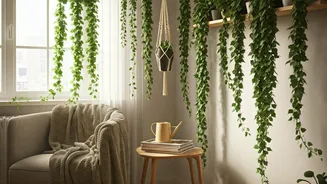
When the headline says 'ivy,' many people picture the classic, elegant English Ivy. It's a fantastic choice, known for its lobed leaves and vigorous climbing habit. It thrives in cooler temperatures and bright, indirect light. However, the term is often used more broadly to include other easy-care vining plants. The Golden Pothos, often called 'devil's ivy,' is nearly foolproof for beginners. It tolerates a wide range of light conditions, from low to bright, and its heart-shaped leaves come in shades of green, yellow, and white. Another great option is the Philodendron, which looks similar to Pothos but often has more distinctly heart-shaped leaves. When choosing your plant, consider placement. Let it cascade from a high shelf, the top of a bookshelf, or a hanging basket to create a lush, green waterfall effect. A crucial note for pet owners: Both English Ivy and Pothos can be toxic to cats and dogs if ingested, so be sure to place them well out of reach.
The Sound of Serenity
While plants delight the eyes, an indoor water fountain engages the ears, providing a gentle, soothing soundtrack that can mask distracting background noise like traffic or neighbors. The sound of trickling water is intrinsically calming, reminding us of streams and rain. For indoor use, tabletop fountains are the most popular choice. They're self-contained, require no special plumbing, and come in countless styles, from minimalist slate designs to whimsical ceramic creations. When selecting one, listen to it in the store if possible. You want a gentle 'trickle,' not a loud 'gurgle.' Also, check the pump's noise level—a quiet motor is essential for a tranquil experience. Wall-mounted fountains are another option for a more dramatic statement, though they require more installation effort. Place your fountain where you want to encourage relaxation, like a reading nook, home office, or bedroom.
Creating a Harmonious Scene
Combining plants and water creates a powerful symbiotic vignette. The key is to make the pairing look intentional, not random. One beautiful approach is to place a tabletop fountain on a credenza or console table and arrange your trailing ivy around its base, letting the vines snake around the fountain and spill over the edge of the furniture. This makes it look like a single, integrated feature. Another idea is to create a 'green corner.' Group a floor fountain with several potted plants of varying heights, using the trailing ivy in a hanging planter above to frame the scene. Think about materials. A natural stone or slate fountain pairs beautifully with the deep green of an ivy plant, reinforcing the earthy, organic feel. A sleek, modern ceramic fountain might look stunning with the variegated leaves of a Golden Pothos. Don't be afraid to experiment with placement until you find a composition that feels balanced and brings you joy.
Simple Care for Lasting Calm
The goal is serenity, not stress, so maintenance should be minimal. For your trailing plants, the biggest mistake is overwatering. Let the top inch or two of soil dry out completely between waterings. Pothos and Philodendrons are especially forgiving if you forget. Prune them occasionally by snipping off long vines to encourage fuller, bushier growth. For your fountain, the primary task is keeping the water level up. Distilled water is best, as it prevents the mineral buildup (scale) that can clog the pump and leave white marks. About once a month, give the fountain a thorough cleaning. Unplug it, empty the water, and gently scrub the basin and pump with a soft brush and a solution of water and white vinegar to remove any algae or scale. A few minutes of care each month is all it takes to keep your personal oasis running smoothly.