

So, What Is 'Fibermaxxing'?
At its core, “fibermaxxing” is a user-coined term for a concerted effort to dramatically increase one's daily fiber intake, often far beyond the standard recommended amounts. Born on platforms like TikTok, the trend is driven by users sharing their transformative
experiences with high-fiber diets, crediting them with everything from eliminating bloating and improving skin to regulating digestion with clockwork precision. Unlike past wellness fads that felt vague or mystical, fibermaxxing has a concrete, almost mechanical appeal: put more fiber in, get better digestive results out. It's less of a diet and more of a bio-hack, a way to optimize one of the body’s most fundamental systems. The “revolution” part of the headline isn't just hype; for many followers, the tangible, often rapid results feel genuinely life-changing after years of dealing with digestive discomfort.
The Anatomy of a Viral Fiber Smoothie
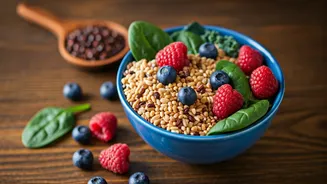
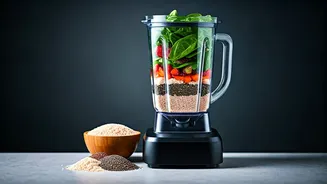
The vehicle for this fiber-fueled journey is almost always a smoothie. While recipes vary, they share a common DNA of fiber-dense ingredients blended into a thick, often surprisingly palatable concoction. The foundational elements typically include a healthy scoop of psyllium husk, a soluble fiber known for its incredible ability to absorb water and form a gel-like substance. This is what gives the smoothies their characteristic thickness. Alongside it, you’ll almost always find chia seeds and ground flax seeds, both celebrated for their fiber, omega-3 fatty acids, and thickening properties. From there, personalization is key. Frozen fruit like berries or mango adds natural sweetness and even more fiber. A scoop of protein powder makes it a more complete meal, while a spoonful of nut butter can add healthy fats and flavor. The goal is to pack as much fibrous goodness into one glass as possible, creating a daily ritual that feels both indulgent and intensely functional.
Why the Sudden Obsession with Fiber?
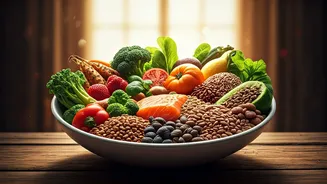
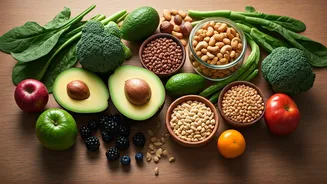
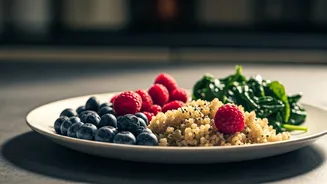
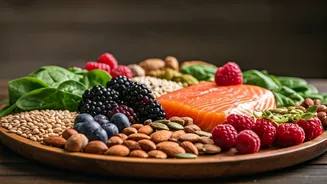
Nutrition experts are probably sighing a collective, “Finally!” Fiber has always been a nutritional superstar, but it’s rarely been a sexy one. The recommended daily intake is around 25 grams for women and 38 for men, yet most Americans barely consume half that. Fibermaxxing has simply put a viral marketing campaign behind decades of solid dietary advice. The benefits are well-documented. Soluble fiber (from oats, beans, apples, psyllium) helps lower cholesterol and stabilize blood sugar. Insoluble fiber (from whole grains and vegetables) adds bulk to stool, promoting regularity. Together, they act as prebiotics, feeding the beneficial bacteria in your gut microbiome, which is linked to everything from immune function to mental health. The trend taps into a growing public awareness of the gut-brain axis and the desire for proactive, food-based solutions to common health complaints.
The Risks and Realities to Consider
Before you dump a cup of psyllium husk into your blender, a word of caution from dietitians: more is not always better, and too much, too soon, is definitely a bad idea. Rapidly increasing your fiber intake without giving your system time to adjust can lead to the very symptoms you’re trying to avoid: gas, extreme bloating, cramping, and constipation. The key is to increase intake gradually over several weeks. More importantly, all that fiber needs water to do its job. Without adequate hydration, a high-fiber load can create a blockage—the exact opposite of the desired effect. Anyone with a pre-existing digestive condition, such as IBS, Crohn's, or gastroparesis, should consult a doctor before attempting anything like fibermaxxing, as it can severely exacerbate their symptoms. The trend’s one-size-fits-all approach doesn't account for individual health needs.
Is This 'Revolution' Right for You?
Fibermaxxing’s greatest contribution may be that it has made a boring-but-important nutrient a hot topic of conversation. If the trend inspires you to be more mindful of your fiber intake, that’s a clear win. However, you don't need to 'maxx' anything to reap the benefits. Instead of jumping straight to a 40-gram smoothie, consider a more moderate approach. Start by adding a tablespoon of chia seeds or ground flax to your regular smoothie, yogurt, or oatmeal. Focus on incorporating more whole foods like berries, leafy greens, beans, and whole grains into your meals. The goal isn't to join a viral challenge but to build a sustainable, long-term habit. Listen to your body, increase your intake slowly, and drink plenty of water. The true revolution is found not in a single viral smoothie, but in consistently giving your body the nutrients it needs to thrive.