



The Ritual of the Great Escape
Imagine living in a city as dense and dynamic as New York, but with a tropical climate and a population three times as large. That’s the reality for the 20 million-plus residents of Mumbai, India. Along with the nearby hub of Pune, these cities form a massive
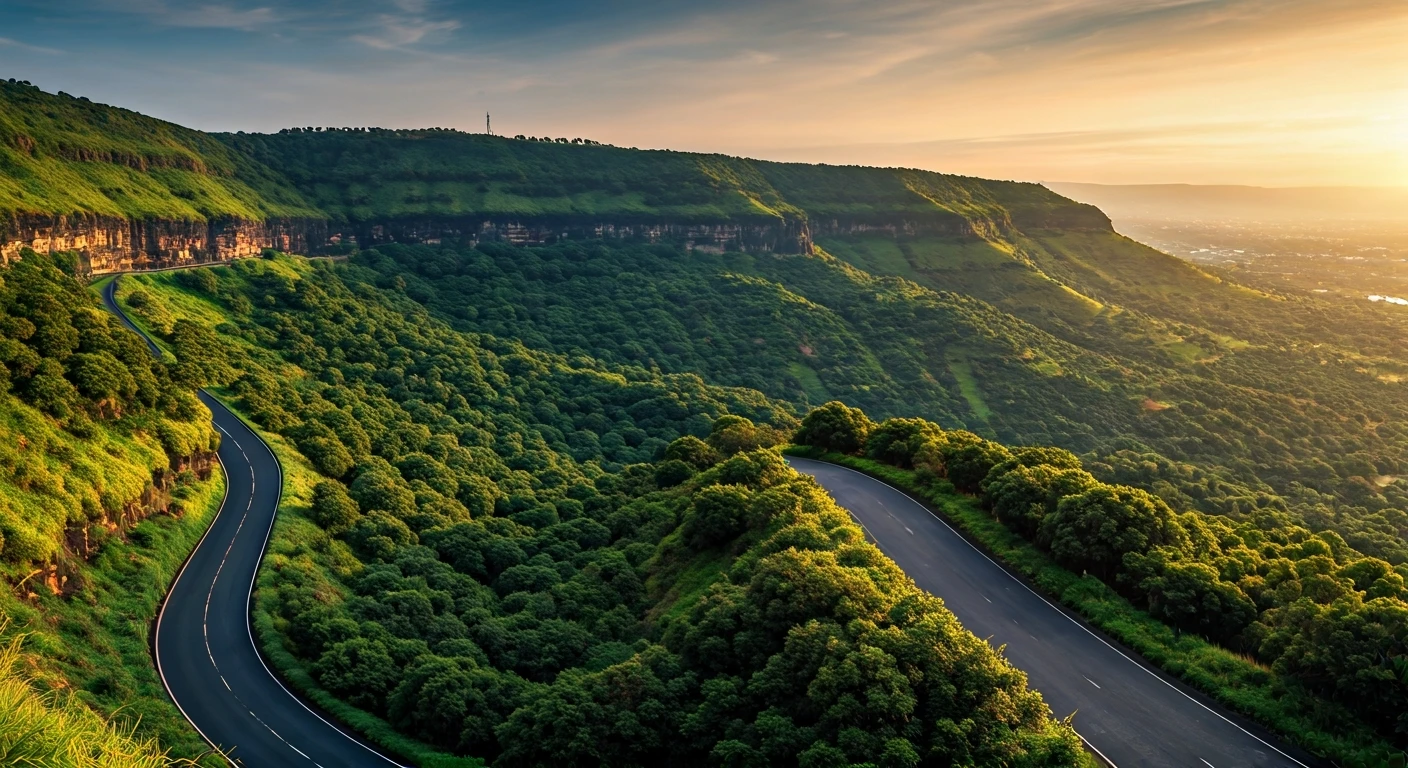
urban corridor teeming with energy, ambition, and a desperate, weekly need to get away from it all. This has created a deeply ingrained culture of the “weekend escape.” Come Friday afternoon, a mass exodus begins. The goal is to reach the nearby Western Ghats, a mountain range that runs parallel to the coast. Here lie the cool-air hill stations of Lonavala, Khandala, and Mahabaleshwar, or the coastal retreats like Alibaug. These places are the Hamptons or the Poconos of Maharashtra, offering a vital reprieve from the concrete heat island. For generations, the journey was part of the charm—a few hours on an expressway leading to verdant hills and resort comfort.
The Monsoon's Beautiful Trap
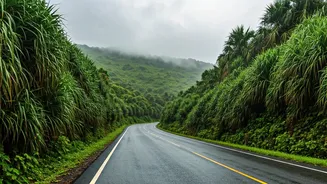
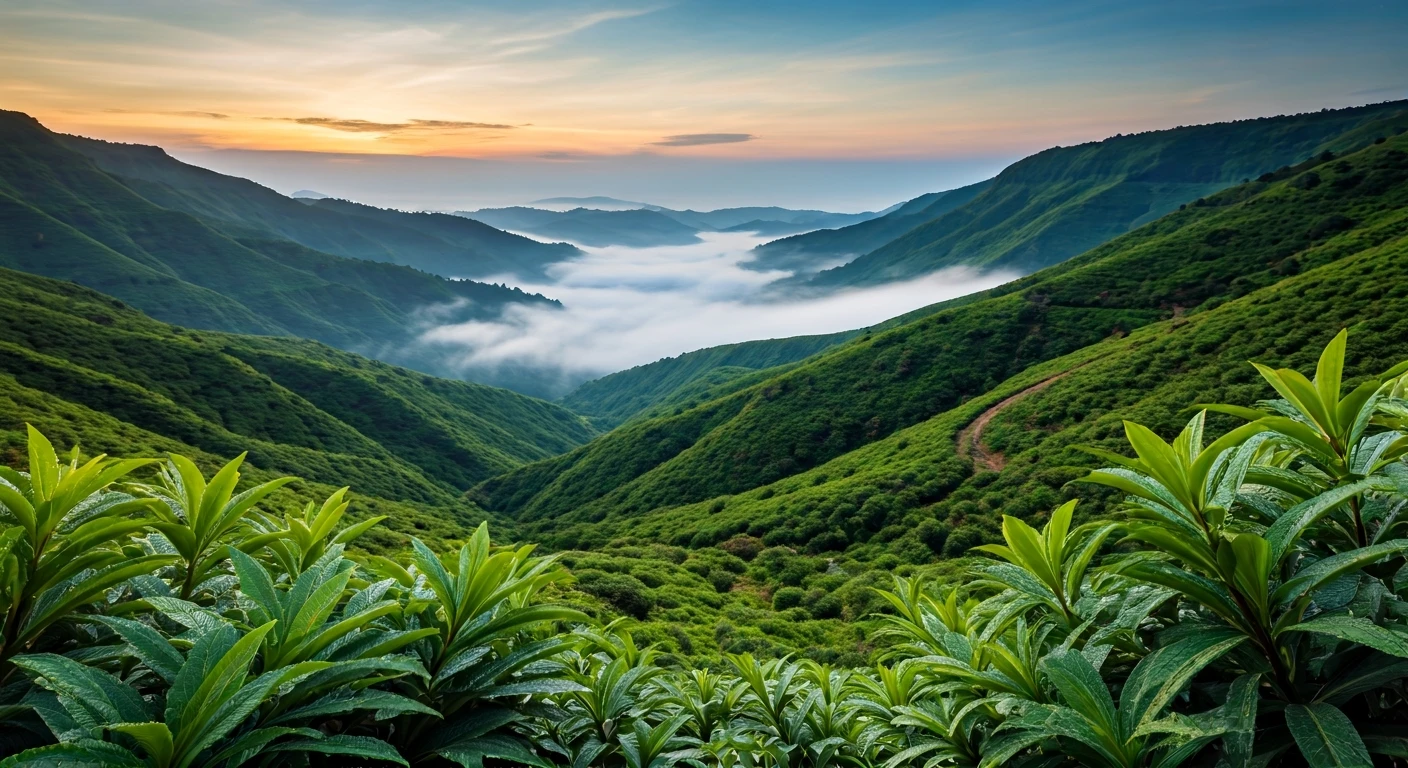
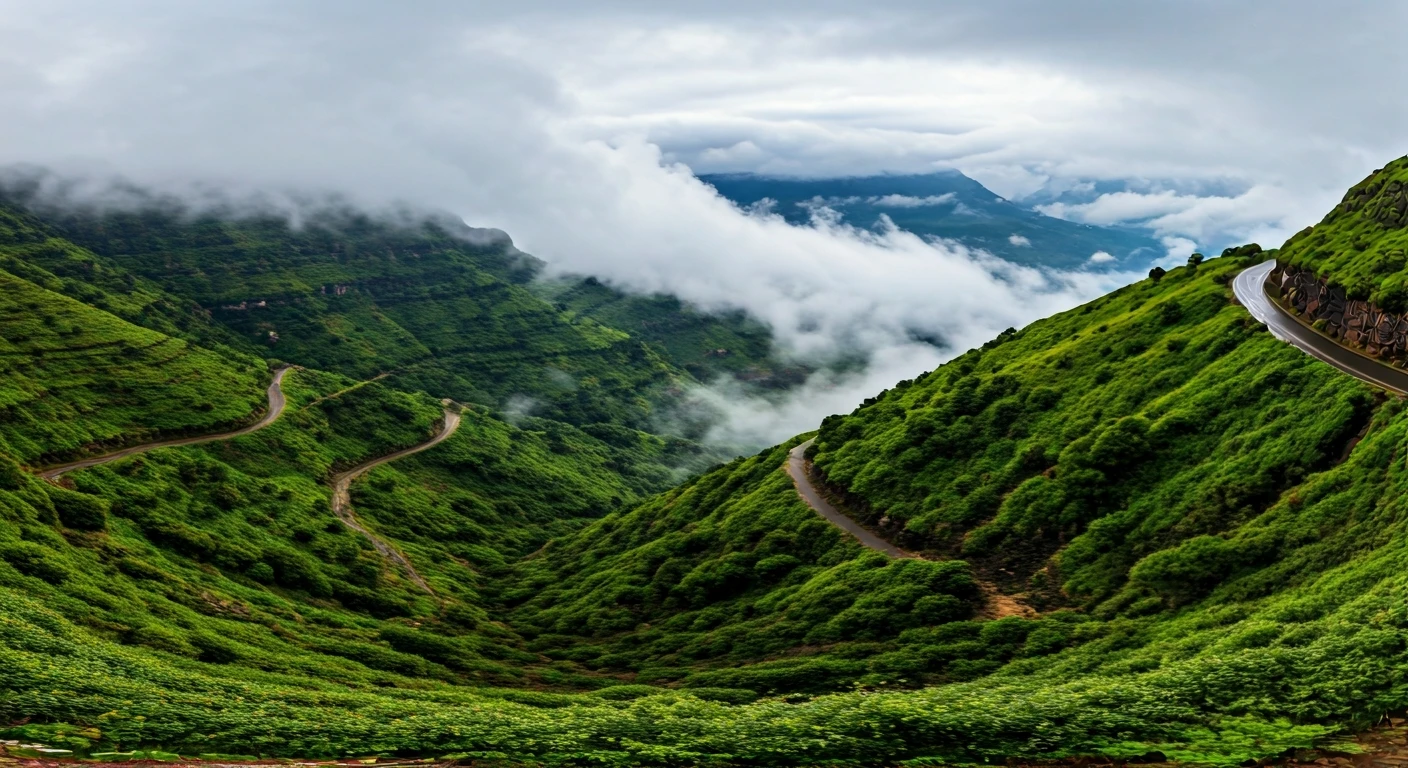
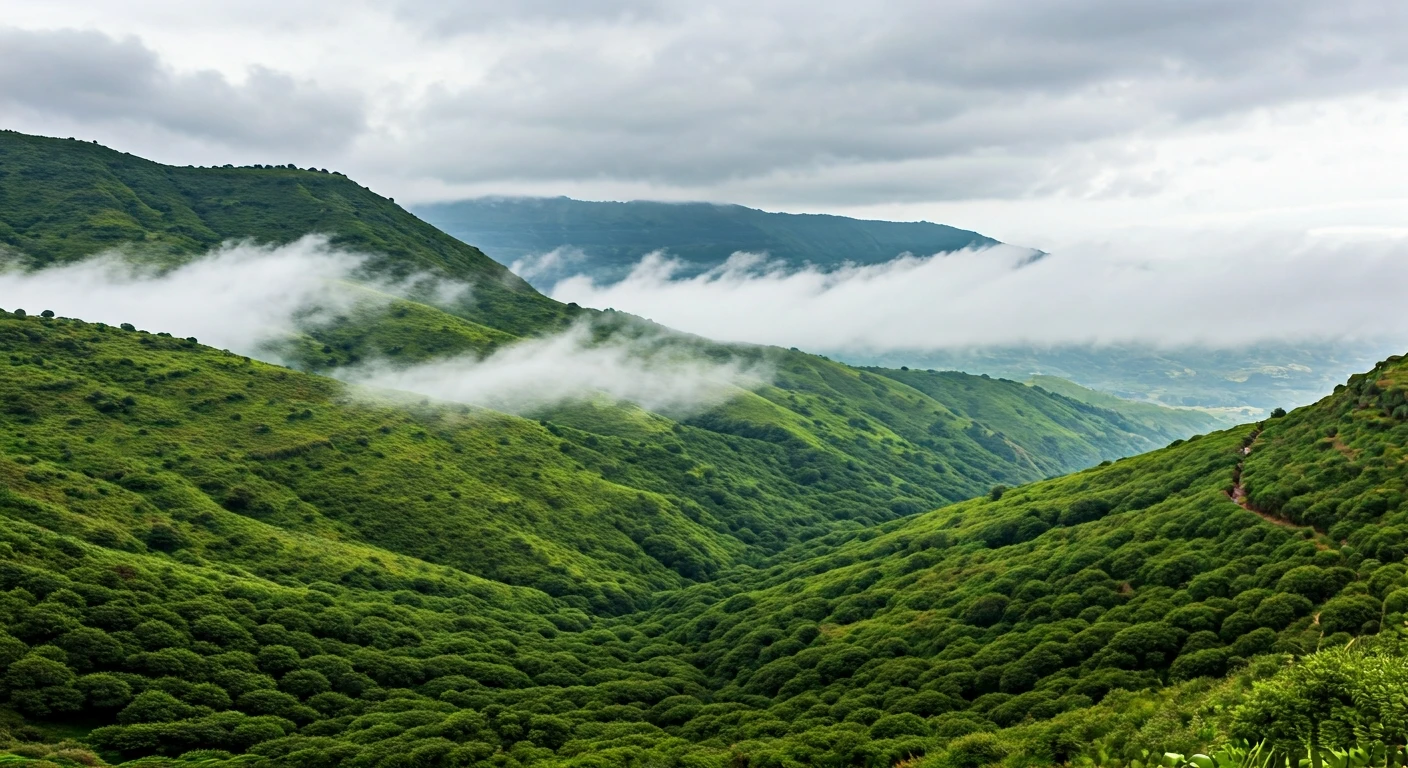
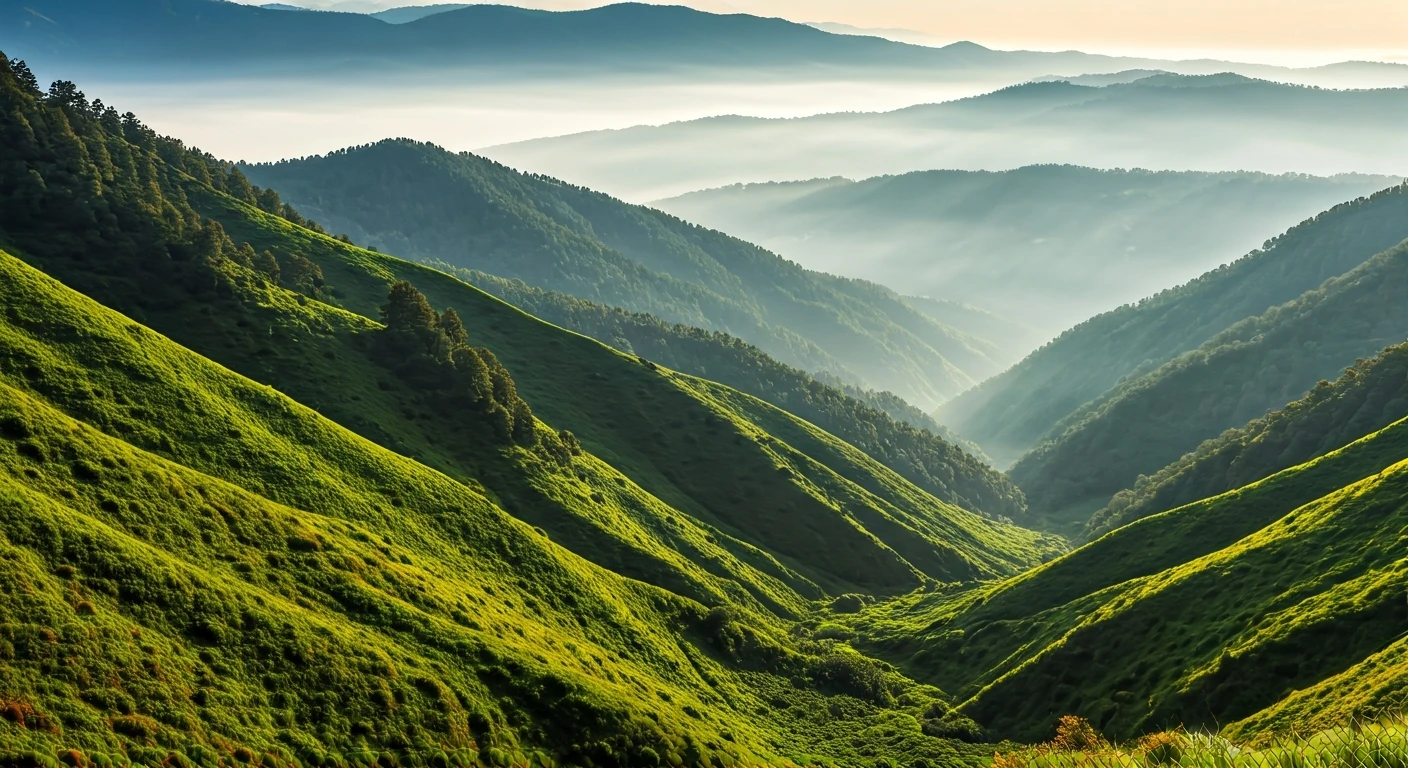
The calculus of this escape changes dramatically with the arrival of the monsoon, typically from June to September. This isn't just a bit of rain; it's a season-long weather event that transforms the landscape. The dusty, brown hills explode into an almost surreal shade of emerald green. Temporary waterfalls cascade down cliffsides, and the air is fresh and cool. It’s arguably the most beautiful time to visit the Ghats.
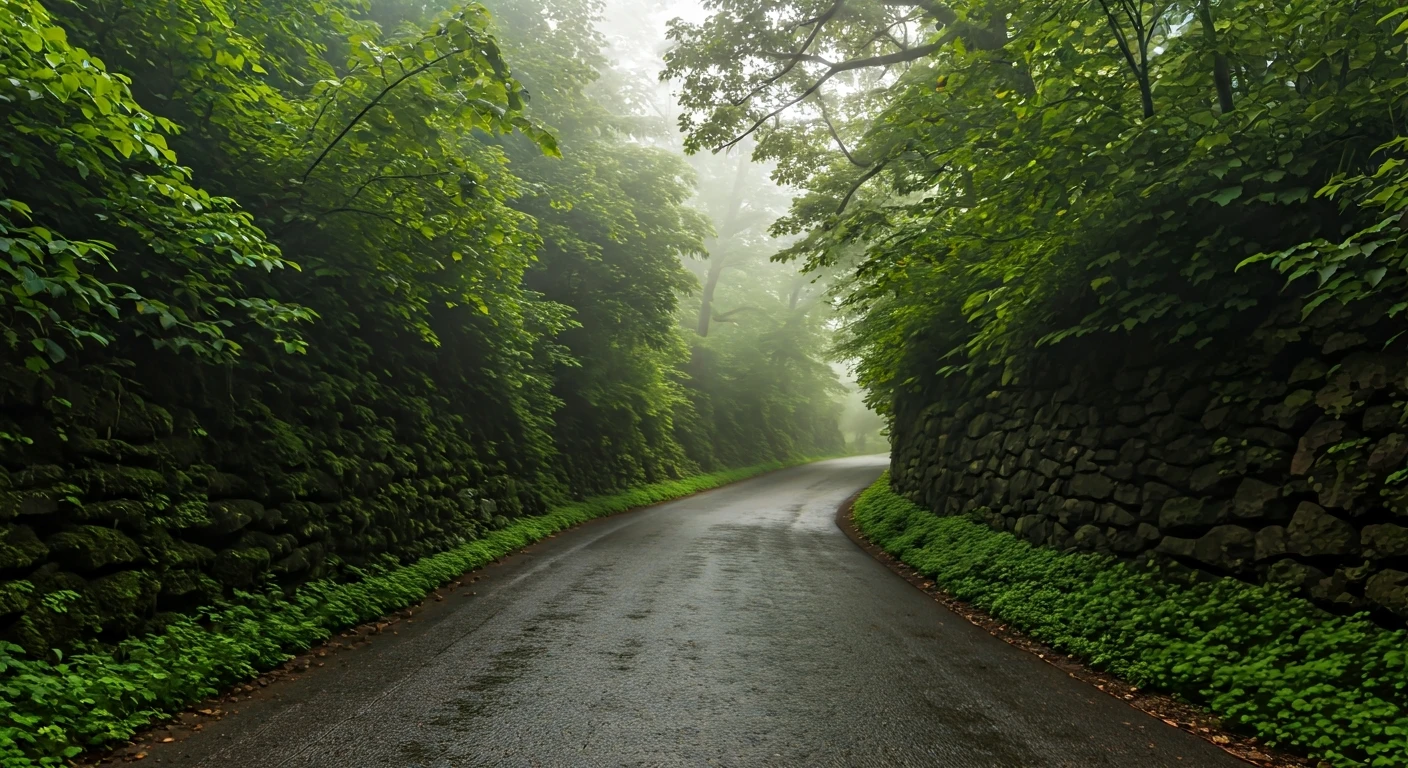
But this beauty comes with a price. The same rains that create the stunning scenery also saturate the soil on the region’s steep slopes, leading to frequent landslides and rockfalls. Key arterial roads can be blocked for hours, or even days, by a river of mud and boulders. Small streams swell into impassable torrents, and low-lying roads become flooded. The very routes designed for escape become high-stakes traps, turning a three-hour drive into a 12-hour ordeal.
Gridlock on the Getaway Routes
The primary culprit in this travel nightmare is often the Mumbai-Pune Expressway. This modern, six-lane highway is the main artery connecting the two cities and the gateway to most popular hill stations. During a monsoon weekend, it carries an immense volume of traffic. A single landslide in the hilly 'ghat' section or a patch of severe water-logging can create a backup stretching for miles. In recent years, incidents of rocks tumbling onto the expressway have become alarmingly common, prompting authorities to install protective netting, with mixed success.
Other popular routes are just as vulnerable. The winding roads to Matheran, a unique eco-sensitive hill station where vehicles are banned, or the coastal highway to Alibaug are narrower and even more susceptible to washouts and bottlenecks. What looks like a simple drive on Google Maps becomes a gamble against geology and gravity.
A New Playbook for Savvy Travelers
This doesn’t mean you should cancel your plans; it means you need to be smarter. Relying on the main expressway is no longer a foolproof strategy. First, timing is everything. Leaving the city at dawn on Friday or midday Saturday can help you miss the worst of the exodus. Check live traffic feeds and local news reports for landslide alerts right before you leave.
Second, know your alternates. The Old Mumbai-Pune Highway (NH48) runs parallel to the expressway. While slower and less direct, it's often the designated alternate when the main route is blocked and can be a lifesaver. For coastal destinations like Alibaug, ditch the car altogether. The ferry service from Mumbai’s Gateway of India to Mandwa is faster, more scenic, and entirely immune to road traffic. From the Mandwa jetty, local auto-rickshaws can whisk you to your final destination.
Finally, consider less-traveled destinations. Instead of the hyper-popular Lonavala, explore places like Igatpuri or Bhandardara, which are on different, often less congested, travel corridors. The key is flexibility and having a Plan B, and sometimes a Plan C, ready to go.