
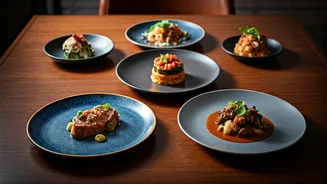


The End of Menu FOMO
The traditional three-course meal is a relic of a more rigid time. It asks you to place a high-stakes bet on a single entrée. What if the steak you ordered is just fine, while your friend’s life-changing risotto sits across the table, taunting you? Small
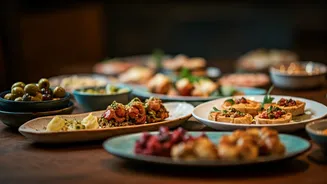
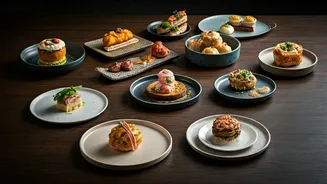
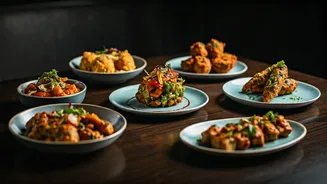
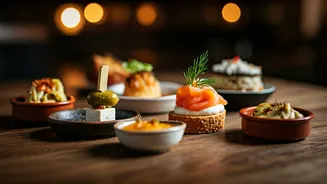
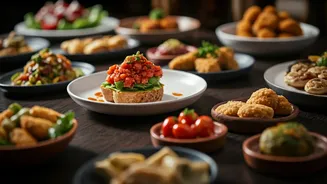
plates obliterate this problem. Suddenly, the menu isn't a series of mutually exclusive paths; it's a playground. This format is the ultimate antidote to Fear Of Missing Out. You can have the crispy Brussels sprouts *and* the seared scallops *and* the whipped feta. The risk is spread out. If one dish doesn’t quite hit the mark, it’s a minor blip in an otherwise exciting culinary journey, not a catastrophic failure that ruins your $38 investment. This isn't about gluttony; it’s about curiosity. It allows diners to explore the full breadth of a chef's vision, sampling the greatest hits album instead of being forced to pick a single track.
A More Social Way to Eat
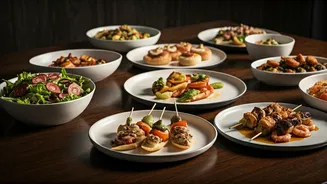
Small plates transform the dinner table from a collection of individual experiences into a shared, collaborative one. When everyone orders their own monolithic entrée, the conversation stops for the perfunctory, “How’s your chicken?” before retreating back into your own culinary silo. But when plates are shared, the food itself becomes the center of conversation.
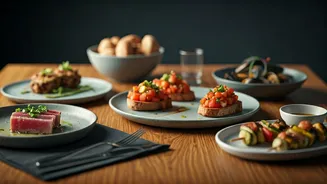
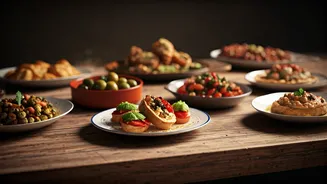
Every dish that arrives is an event. “You have to try this,” becomes the refrain. Spears are crossed reaching for the last bite of patatas bravas. You're not just eating; you're negotiating, sharing, and discovering together. It’s an inherently more active and engaging way to dine. This communal style breaks down formality and encourages interaction, turning a simple meal into a dynamic social event. It’s the dinner party vibe without having to do the dishes.
Control Your Own Adventure
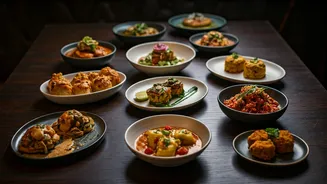
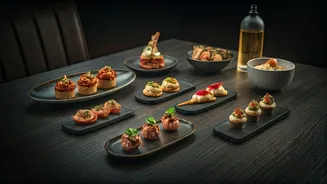
The small-plate format puts the diner firmly in the driver's seat. You’re no longer a passive recipient of the kitchen's decreed portion sizes. Instead, you become the curator of your own meal. Want a light snack with a glass of wine? Order two plates. Feeling ravenous and ready for a feast? Order five. The power to build a meal that perfectly matches your appetite, mood, and budget is the definition of freedom.
This flexibility is a game-changer. It accommodates the indecisive, the adventurous, and the picky eater at the same table. It allows for a meal to unfold organically. You can order a few things, gauge your hunger, and then decide whether to press on or call it a night. It’s dining on your terms, a stark contrast to the rigid progression of appetizer-main-dessert that often leaves you either wanting more or feeling uncomfortably full.
Answering the Critics
Of course, there are the skeptics. “It’s just a way for restaurants to charge more for less food!” is the common refrain. And yes, if you’re not careful, a tapas-style bill can escalate quickly. But this argument misses the point. You’re not just paying for volume; you’re paying for variety, complexity, and experience. You're paying for the kitchen to execute six different concepts for your table instead of just two.
Comparing the price of a small plate to a full entrée is an apples-to-oranges fallacy. It’s a different value proposition entirely. You wouldn’t complain that a flight of wine costs more per ounce than a single glass from the well. The premium is for the curated experience. When done right, a small-plate meal delivers more memorable bites and flavors per dollar than a single, often predictable, main course. It's not about getting filled up; it's about being delighted.