


The Kingdom of Clouds
To visit Darjeeling, India, is to accept an invitation into the clouds. The mist is not just weather here; it is a permanent resident, a defining feature of the landscape that rolls in without warning, swallowing entire vistas in a silent, milky blanket.
It clings to the moss-covered pines and colonial-era clock towers, muffling sound and distorting time. Then, just as suddenly, it can recede, unveiling the staggering sight of Kanchenjunga, the world's third-highest peak, its snow-capped spires glowing like celestial temples against a piercing blue sky. This constant interplay between concealment and revelation is Darjeeling’s first act of magic. It transforms a simple walk through town into a journey of discovery, where every corner turned offers a new, ephemeral masterpiece.
The Champagne of Teas
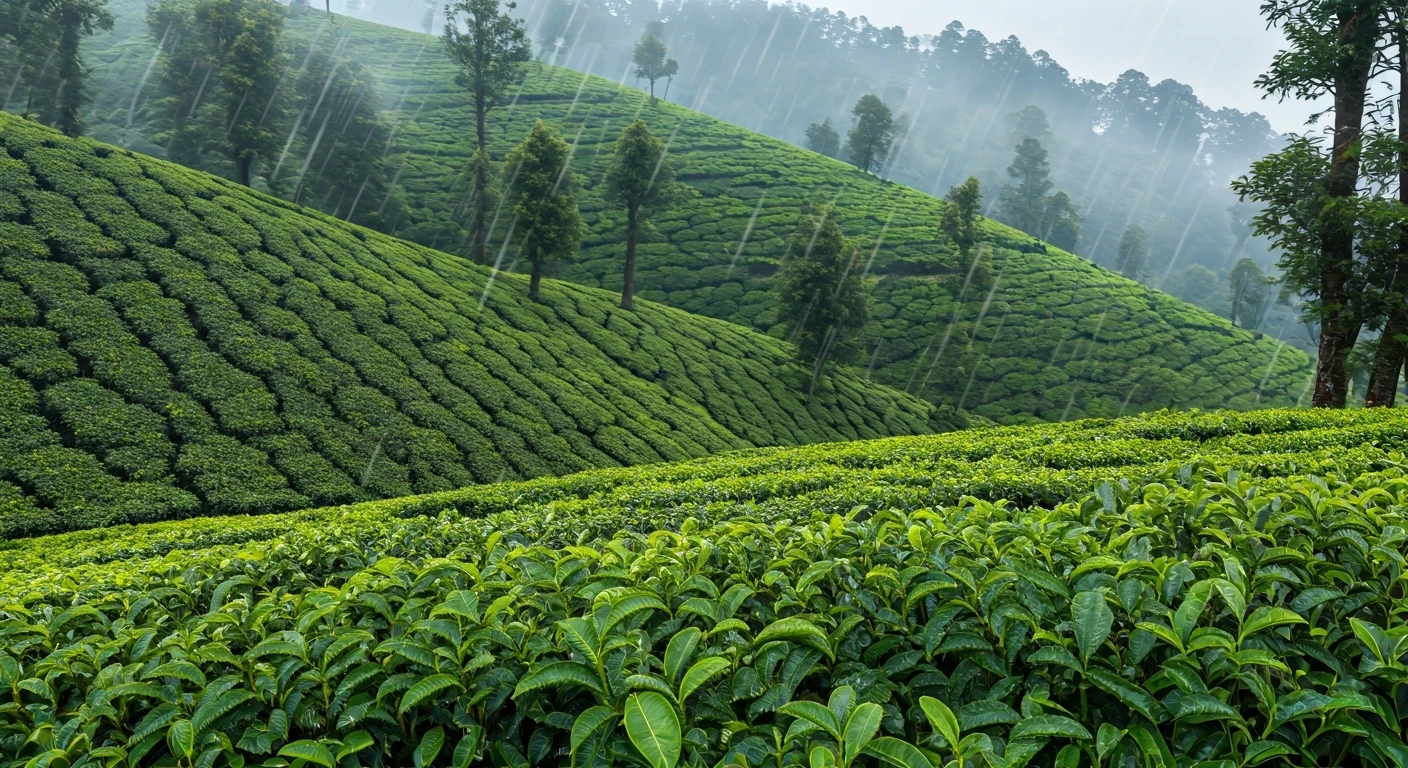
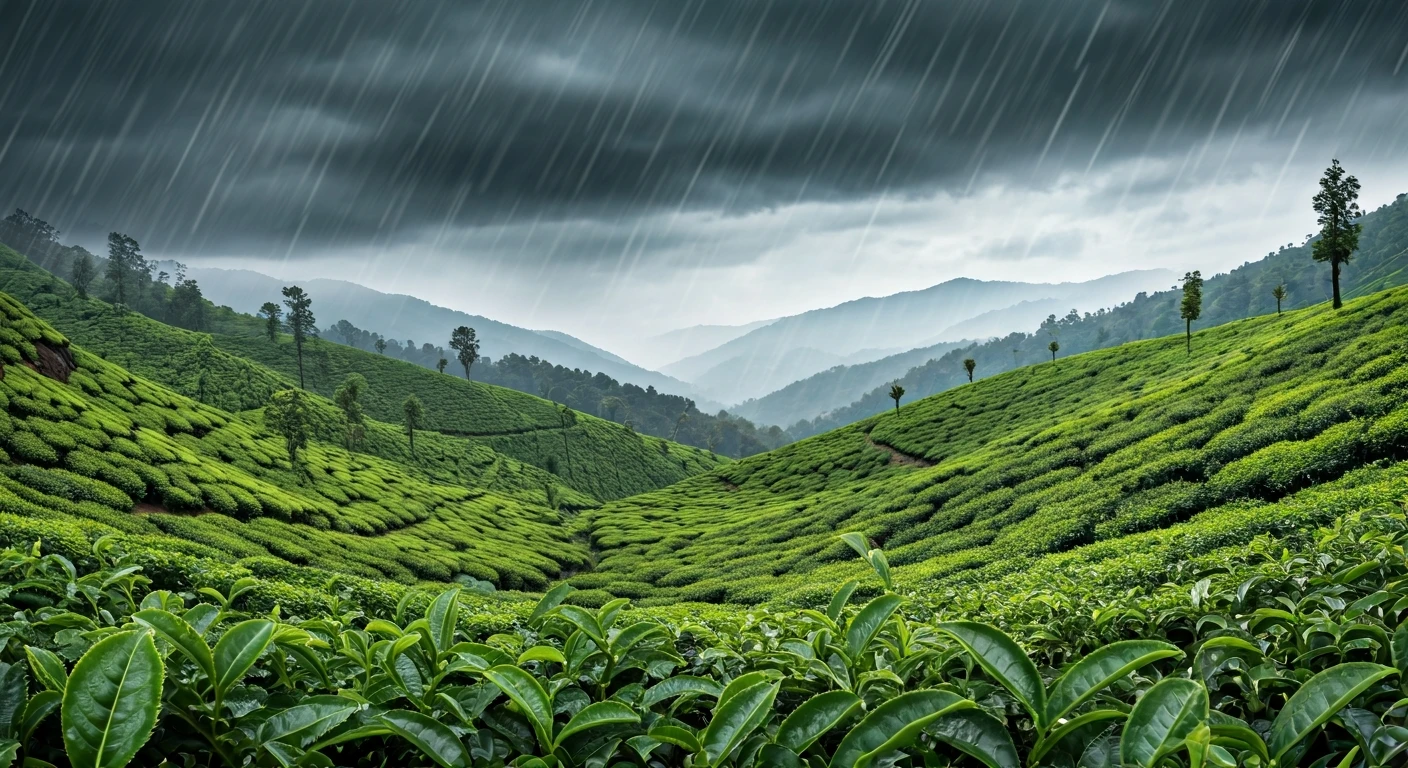
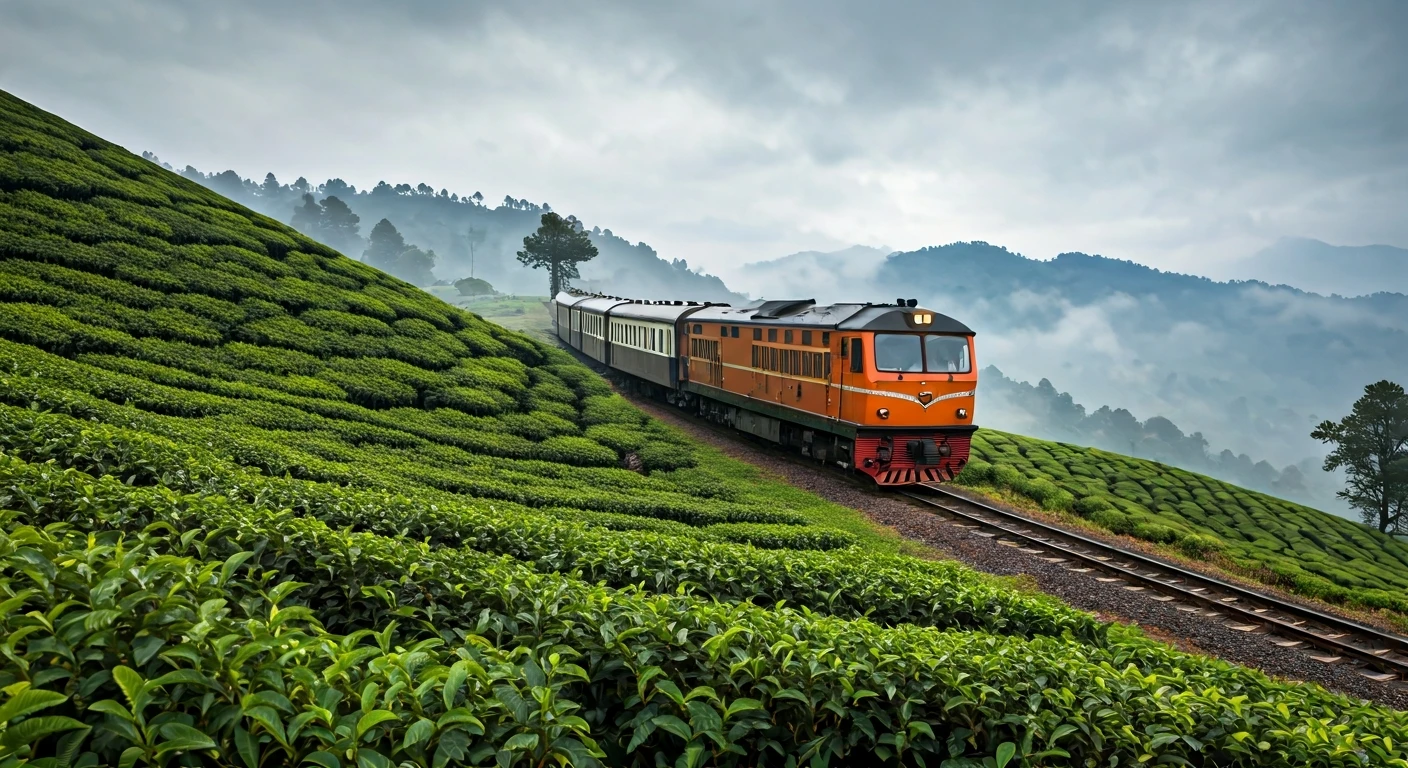
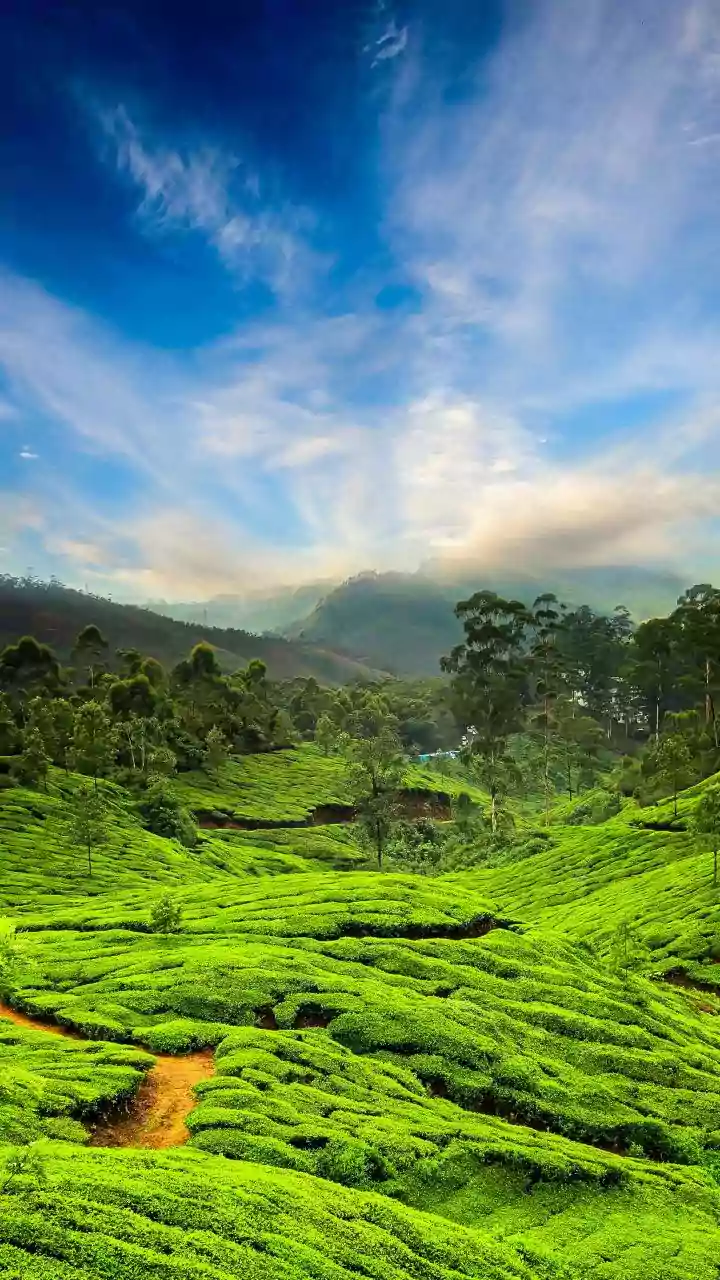
The very air in Darjeeling is scented with its most famous export: tea. The rolling hills that surround the town are carpeted in an endless emerald tapestry of tea bushes. This isn't just any tea; it's the "Champagne of Teas," a title earned for its delicate, muscatel flavor, which can only be achieved in this specific terroir of high altitude, cool mist, and skilled hands. A visit to a tea estate like Glenburn or Makaibari is a sensory immersion. You can watch pluckers, their baskets strapped to their backs, move with practiced grace through the fields. You can witness the leaves being withered, rolled, and fired in century-old factories. But the real magic happens in the tasting room. To sip a first flush Darjeeling—light, floral, and astringent—while looking out over the very hills where it grew is to taste the soul of the place. It’s a flavor that is inseparable from the mist, the sun, and the mountain soil.
The Little Train That Could
Chugging through this dreamscape is the Darjeeling Himalayan Railway, affectionately known as the "Toy Train." This is no modern high-speed rail. It is a loud, proud, and impossibly charming relic of engineering from the 1880s. A UNESCO World Heritage site, the narrow-gauge railway still operates with tiny steam and diesel locomotives that pull equally tiny carriages on a track that winds precariously along the main road, often just inches from shop fronts and pedestrians. The journey is comically slow, allowing ample time to wave to local children, buy snacks from trackside vendors, and absorb the breathtaking views. The iconic Batasia Loop, where the train makes a full 360-degree turn around a war memorial garden, offers one of the most spectacular panoramas of the mountains. Riding this train isn't about getting somewhere quickly; it's about the joy of the journey itself, a slow-motion ride back in time.
Where Past Meets Present
These three elements—mist, tea, and trains—are woven into the fabric of a town that feels suspended between eras. The architecture speaks of a colonial past, with British-style boarding schools, Gothic churches, and grand hotels like the Windamere, where afternoon tea is still a hallowed ritual. Yet Darjeeling is vibrantly Indian, a bustling hub for the surrounding villages, its markets filled with the chatter of Nepali, Bengali, and Tibetan languages. It’s a place where monks in saffron robes share the road with hikers in modern gear, and where ancient monasteries sit just a stone's throw from trendy cafes. This blend of old and new, of nature and human ingenuity, is the final ingredient in Darjeeling's enchanting spell.