



The Philosophy of Effortless Elegance
‘Lazy luxury’ is more than just a buzzword; it’s a modern-day survival strategy. It’s the art of achieving a high-end result with minimal effort, a concept born from burnout culture and our collective desire for things that are both beautiful and attainable.
It’s the cashmere sweater you wear with jeans, the single statement earring, or the expensive candle you light on a Tuesday. And in the culinary world, its purest expression is a salad built around peak-season stone fruit. Unlike a complicated layer cake or a slow-braised meat, the stone fruit salad requires no technical skill. Its entire premise is based on the genius of nature, not the genius of the chef. It communicates taste, seasonality, and an understanding of quality without communicating hours spent sweating in a hot kitchen. It says, 'I have access to good things and the wisdom to not mess them up.' That confidence is the very essence of luxury.
The Star Player Does All the Work
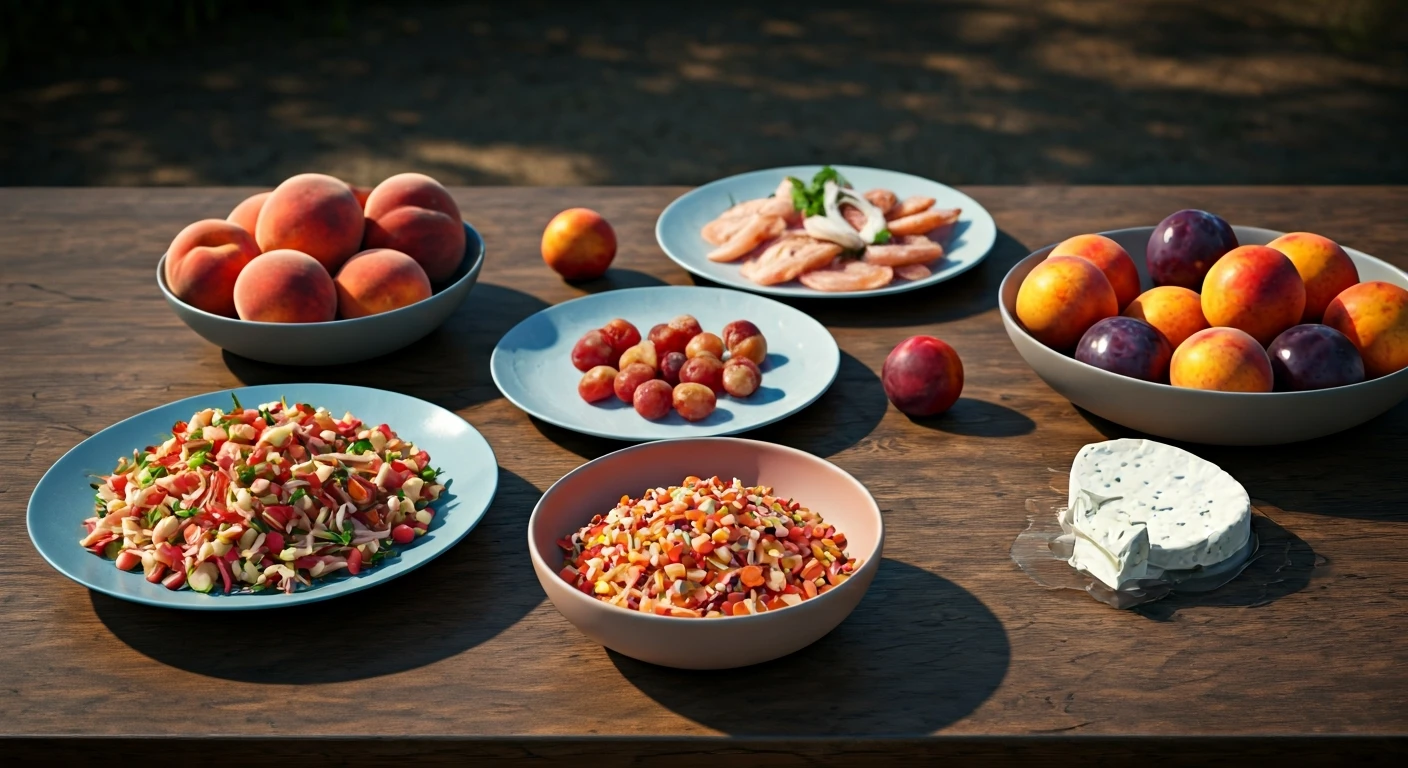
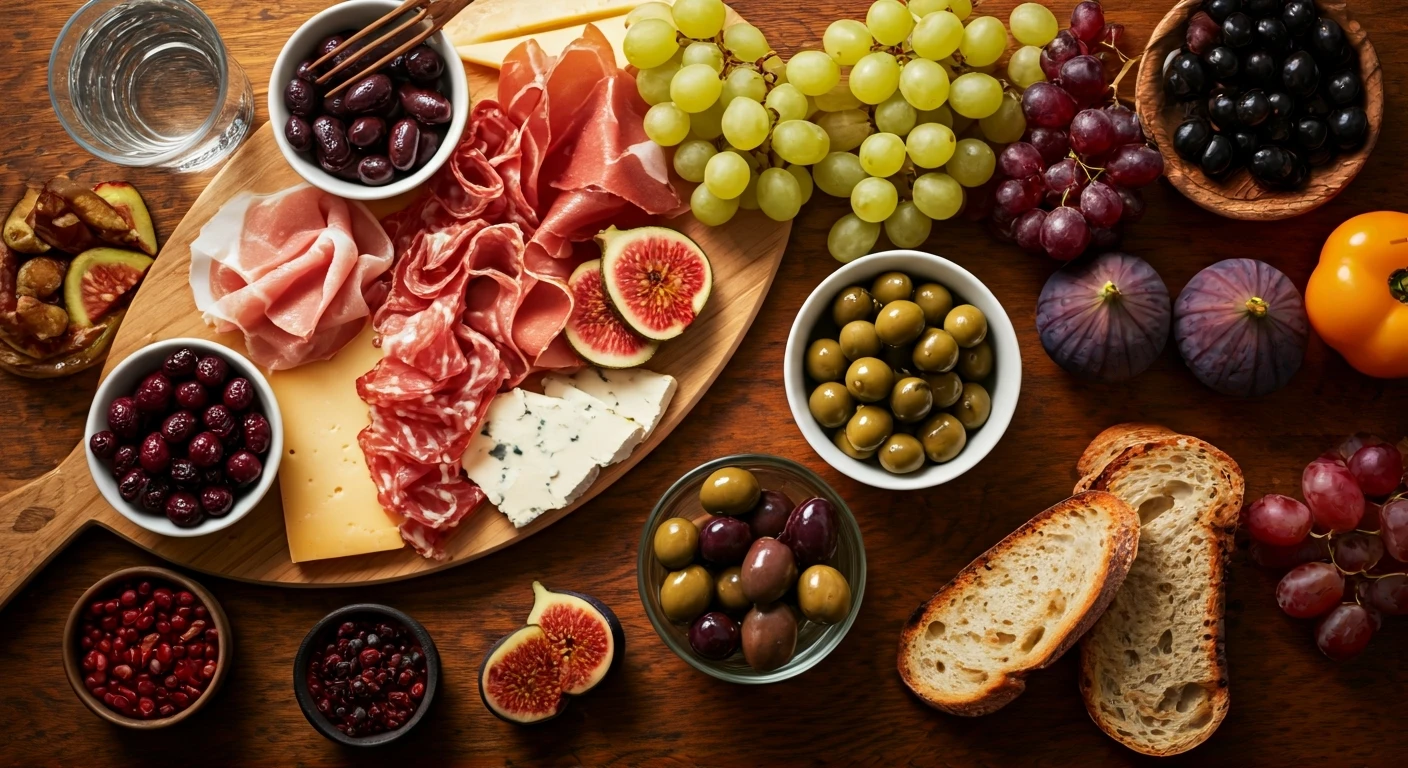
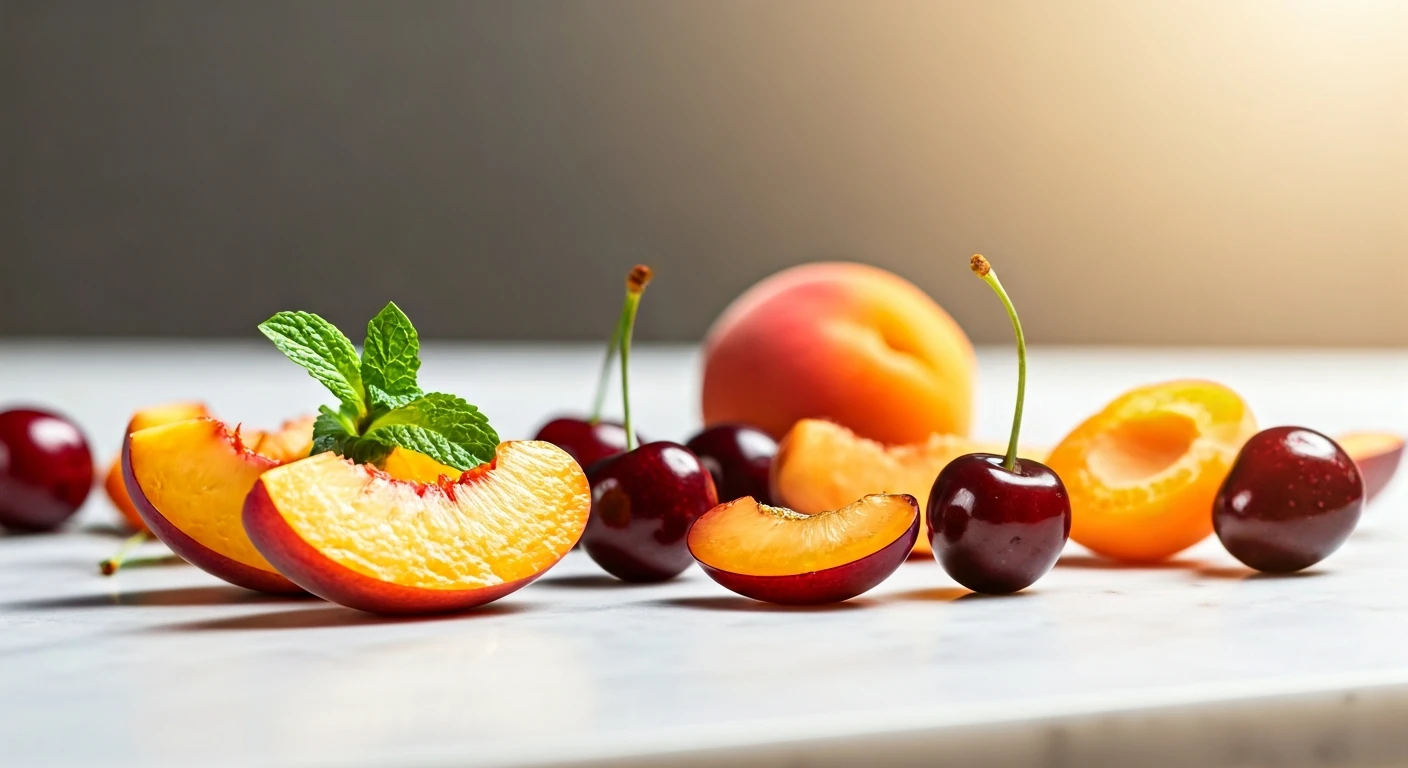
The secret is that the fruit does all the heavy lifting. When a peach is so ripe its juices run down your arm, or a plum is so sweet it tastes like candy, it doesn’t need much help. This is where the 'lazy' part becomes an act of brilliance. Dousing a perfect piece of fruit in a heavy, complicated dressing would be a culinary crime. Instead, the best approach is to simply let the fruit be the star. From late spring through the dog days of August, markets are flooded with these gems: fuzzy-skinned peaches and their smooth-skinned cousins, nectarines; deep, jammy plums and their smaller, tarter siblings, pluots; delicate, honeyed apricots; and, of course, the king of snackable fruit, the cherry. Sliced or torn, they form a canvas of color, texture, and natural sweetness that feels opulent on its own. Your only job is to procure the best ones you can find and get them on a plate.
Building the Perfect Supporting Cast
While the fruit is the headliner, the supporting cast is what elevates the dish from a simple fruit plate to a proper ‘salad.’ The rules are simple: add contrasting flavors and textures. The most popular co-star for a reason is burrata—the creamy, mild cheese spills its decadent insides over the sweet fruit, creating a combination that’s almost sinfully good. But a briny, crumbled feta or a tangy goat cheese works just as well, providing a salty counterpoint to the fruit’s sugar. Next, add a textural element. A scattering of toasted pistachios, almonds, or even savory granola brings a necessary crunch. Then, introduce an herbal note. Fresh basil and peaches are a classic, heavenly pairing, while mint can brighten up plums and cherries. Finally, the dressing. Forget complex vinaigrettes. A drizzle of high-quality olive oil, a splash of balsamic glaze or a light vinegar, a sprinkle of flaky sea salt, and a crack of black pepper are all you need. Each component is simple, but together, they create something complex and deeply satisfying.
It’s All About the Assembly Line
Perhaps the most luxurious part of the stone fruit salad is the process, or lack thereof. There is no real ‘cooking.’ The assembly is an act of composition, not labor. You can tear the cheese, rip the herbs, and slice the fruit in a way that feels rustic and artful. Nothing has to be perfectly diced or symmetrically arranged. In fact, it looks better when it’s a little messy—a beautiful, chaotic tumble on a platter. This makes it the ultimate dish for summer entertaining. It can be assembled minutes before guests arrive, it requires no oven or stove, and it looks stunning on a table. It’s a visual and gastronomic showstopper that took you less than 10 minutes to prepare. Your guests will be impressed by your impeccable taste, never suspecting that the hardest part of the entire process was remembering to buy the peaches at the farmers market.