





First, What Is a 'Rainy Diet'?
A “rainy diet” isn’t an official term, but you know exactly what it feels like. It’s the diet you commit to on a Sunday night: clean, disciplined, and packed with sensible choices like steamed chicken, plain salads, and brown rice. While admirable, it can
quickly become a culinary desert. This is where things often go wrong. Monotony leads to boredom, and boredom leads to breaking your healthy habits. The goal isn’t to abandon your clean eating goals but to transform them from a chore into a joy. The key is introducing elements that are both incredibly healthy and dynamic. That's where probiotics, the beneficial bacteria that support a healthy gut microbiome, come into play. Forget pills and powders; we’re talking about whole foods that have been part of human diets for centuries.
Kefir: The Smoothie Game-Changer
Think of kefir as yogurt’s more potent cousin. This fermented milk drink has a tangy, slightly effervescent quality and boasts a wider variety of probiotic strains than most yogurts. Its thin consistency makes it perfect for smoothies, completely replacing milk or water. A kefir-based smoothie not only delivers a powerful dose of probiotics but also adds a sophisticated, slightly sour flavor that balances the sweetness of fruit. It’s also a fantastic base for salad dressings—whisk it with lemon juice, dill, and a touch of olive oil for a creamy, gut-friendly topping for those 'rainy' salads. Starting your day with kefir is an easy, immediate upgrade.
Kimchi: The Spicy, Pungent Kick
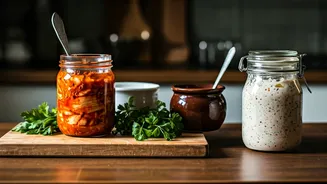
If your diet feels bland, kimchi is the answer. This traditional Korean side dish, typically made from fermented napa cabbage, radish, and a plethora of seasonings like garlic, ginger, and gochugaru (Korean chili powder), is a flavor explosion. It's spicy, sour, and umami-rich, instantly waking up anything it touches. A small spoonful alongside scrambled eggs, mixed into fried rice (made with cauliflower rice, of course), or even on top of a chicken breast adds complexity and a powerful probiotic punch. The fermentation process not only creates beneficial bacteria but also enhances the availability of nutrients in the vegetables. It’s the fastest way to make a simple meal feel intentional and exciting.
Sauerkraut: The Classic Gut-Health Hero
Don't just relegate sauerkraut to hot dogs at a baseball game. Real, traditionally fermented sauerkraut—not the vinegar-canned stuff—is a probiotic powerhouse made from just cabbage and salt. The key is to look for brands in the refrigerated section that are labeled as “raw” or “unpasteurized,” as heat kills the live cultures. Its crunchy texture and tangy flavor make it a brilliant addition to salads, sandwiches, and grain bowls. Try piling it on a turkey burger or mixing it with roasted root vegetables. It provides a bright, acidic contrast that can cut through richer flavors and lighten up a meal, all while feeding your gut microbiome.
Miso: The Savory, Umami Secret
Miso is a fermented soybean paste that is a cornerstone of Japanese cuisine. It provides a deep, savory, and complex flavor profile known as umami. While most people know it from miso soup, its uses are far more versatile. Whisk a small amount of miso paste into vinaigrettes for a deeply flavorful salad dressing, use it as a glaze for fish or vegetables like eggplant and broccoli, or stir it into sauces and marinades. It adds a salty, earthy richness that can make simple steamed vegetables or a piece of baked tofu feel like a gourmet dish. There are different types—white (shiro) miso is milder and sweeter, while red (aka) miso is more pungent and salty. Both are excellent ways to add probiotics and incredible flavor.
Yogurt and Kombucha: The Accessible Staples
We can’t forget the most common entry points. When choosing yogurt, opt for plain, unsweetened varieties and look for the phrase “live and active cultures” on the label. Greek yogurt, in particular, offers a protein boost alongside its probiotics. For a bubbly alternative to sugary sodas, kombucha is a fermented tea that comes in countless flavors. It offers a low-sugar, effervescent treat that can satisfy cravings for something sweet and fizzy while still providing gut-friendly bacteria. Just be mindful of the sugar content, as some commercial brands can be surprisingly high. Both are easy swaps that make a big difference.