




The Comeback Kid of the Dairy Aisle
For years, buttermilk has been relegated to the back of the fridge, a supporting actor for pancakes, fried chicken, and ranch dressing. Its reputation was more homespun than healthy, more comfort food than cutting-edge wellness. But as consumers grow
weary of expensive, over-marketed “superfoods,” the search for simple, effective, and budget-friendly options is leading them back to basics. Enter buttermilk. It’s rich, it’s tangy, and a whole quart often costs less than a single bottle of artisanal fermented tea. Suddenly, this dairy-aisle wallflower is looking a lot like the next big thing in digestive health.
The All-Important Buttermilk Distinction
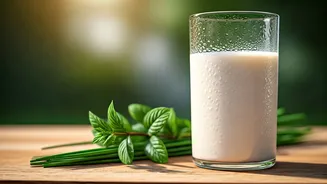
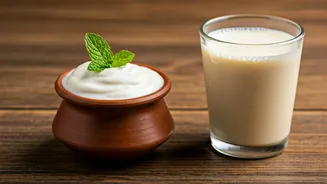
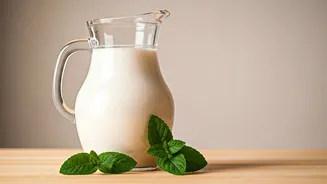
Before you grab the first carton you see, there’s a crucial detail to understand. Not all buttermilk is created equal. Most of what you find in a typical U.S. supermarket is “acidified” buttermilk. This is simply pasteurized milk that has had an acid, like vinegar or lactic acid, added to it to curdle and thicken it, mimicking the tang of the real thing. It works perfectly for baking, but it lacks the main event: live and active cultures. The gut-health gold you’re looking for is “cultured” buttermilk. This is the traditional stuff. It's made by introducing beneficial bacterial cultures to low-fat milk and allowing them to ferment. This process creates the signature tang and, more importantly, populates the milk with probiotics—the friendly bacteria that are the cornerstone of a healthy gut microbiome. Check the label carefully: if you see the words “live and active cultures,” you’ve found the right one.
The Science of a Happy Gut
So, why are these cultures so important? Your gut is home to trillions of microorganisms, collectively known as your microbiome. A healthy, diverse microbiome is linked to everything from better digestion and a stronger immune system to improved mood. The probiotics found in cultured buttermilk are live bacteria that help reinforce this community of good guys. Think of them as reinforcements for your gut’s natural defenses. They can help balance your digestive system, especially after a course of antibiotics, and may help ease common issues like bloating. Furthermore, the fermentation process in cultured buttermilk breaks down some of the lactose, making it easier for many people with mild lactose intolerance to digest compared to regular milk. It’s essentially a predigested food, making its nutrients more bioavailable.
Beyond the Pancake Batter
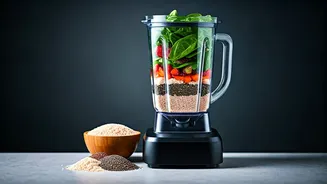
The biggest mental hurdle for many is figuring out how to use buttermilk outside of a weekend baking project. The answer is: treat it like its more glamorous cousin, kefir. Its tangy, refreshing flavor makes it a fantastic base for smoothies. Blend it with berries, a banana, and a handful of spinach for a gut-friendly breakfast on the go. Its acidity also makes it a phenomenal marinade for chicken, pork, or fish, tenderizing the meat while adding a subtle depth of flavor. Whisk it with herbs, garlic, and a squeeze of lemon for a creamy, healthy salad dressing that puts bottled versions to shame. You can even just drink a small glass of it straight, as is common in many parts of the world. Its clean, sharp taste is surprisingly refreshing once you get acquainted with it.
An Affordable, No-Frills Powerhouse
Buttermilk’s glow-up isn’t about being a miracle cure. No single food is. Its real power lies in its accessibility and affordability. It democratizes the gut health trend, taking it from a niche, expensive hobby to a simple, everyday practice. While trendy yogurts, kefirs, and kombuchas can easily run four or five dollars for a small serving, a quart of cultured buttermilk provides multiple servings for a fraction of the price. It’s a reminder that good health doesn’t always require a proprietary blend, a fancy label, or a celebrity endorsement. Sometimes, the most effective tools have been hiding in plain sight all along, waiting for us to appreciate them for what they’ve always been: simple, effective, and good.