



Beyond the Manicured Lawn
So, what exactly is a native plant? It’s not just any plant that happens to grow in your region. Native plants are species that have evolved over thousands of years in a particular area, forming complex, symbiotic relationships with the local soil, climate,
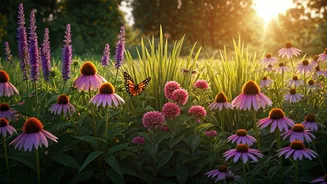
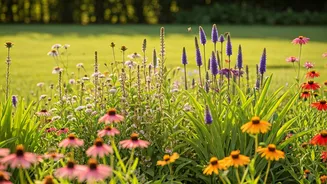
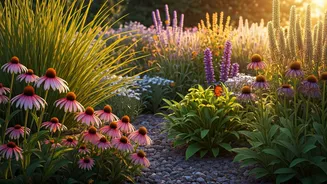
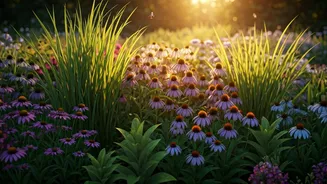
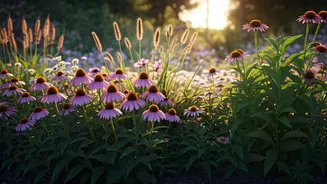
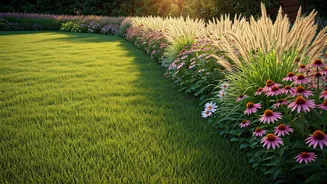
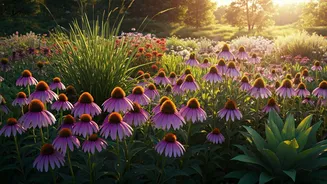
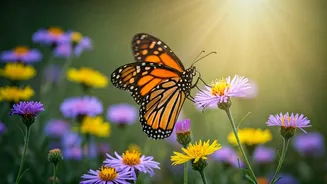
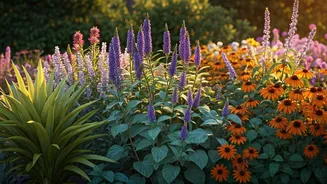
and wildlife. A Purple Coneflower in the Midwest, for instance, has a deep history with the region's bees and butterflies that a Japanese Barberry simply doesn’t. For decades, the standard American yard has been dominated by 'exotics'—species from other continents, like English ivy, Asian hostas, and vast seas of European turf grass. While often beautiful, these plants are ecological strangers in a foreign land. They offer little to no food or habitat for the native insects that form the foundation of our food web, effectively creating sterile, green deserts.
Why the Sudden Growth?
The native plant movement isn’t new, but its recent surge into the mainstream consciousness is. This growth is fueled by a perfect storm of environmental awareness and a desire for actionable change. As headlines fill with sobering news about insect decline, bird population loss, and the effects of climate change, many Americans are feeling a sense of ecological anxiety. The native plant movement offers a tangible, personal, and empowering solution. Entomologist Doug Tallamy, a key figure in the movement, has galvanized thousands with his concept of a 'Homegrown National Park.' His research highlights a stark reality: up to 90% of plant-eating insects can only digest the native plants they co-evolved with. When we remove those plants, we pull the first rung out from under the entire ecosystem. Birds, for example, rely on caterpillars to feed their young. No native oaks means no caterpillars, which means no baby chickadees. By planting natives, homeowners can directly contribute to rebuilding these vital food webs right outside their door.
The Ripple Effect of Planting Native
The benefits extend far beyond helping bees and birds. Because native plants are perfectly adapted to their local conditions, they are far more resilient and lower-maintenance than their exotic counterparts. Once established, they typically require significantly less water, eliminating the need for constant sprinkling that drains local aquifers. They thrive without chemical fertilizers, the runoff from which pollutes our rivers and streams. Their deep root systems help prevent soil erosion and improve water infiltration during heavy rains. Furthermore, they are more resistant to local pests and diseases, reducing or even eliminating the need for pesticides. This creates a healthier, safer environment for pets, children, and wildlife. In essence, a native garden isn't just a collection of plants; it's a functioning, self-regulating ecosystem that saves water, reduces pollution, and builds climate resilience.
How to Join the Movement
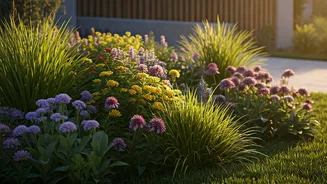
Getting started can feel daunting, especially if your starting point is a pristine lawn. But experts agree: start small. You don't need to rip out your entire yard overnight. Begin by converting a small, difficult-to-mow patch of lawn into a native wildflower bed. Add a native shrub like a viburnum or a small tree like a dogwood. Even a container on a balcony planted with native milkweed can become a vital stopping point for migrating monarch butterflies. The key is to choose the right plants for your specific location—considering your soil type, sunlight, and moisture levels. Resources like the National Audubon Society's 'Plants for Birds' database and the National Wildlife Federation’s native plant finder can generate lists of species tailored to your zip code. Local native plant societies and specialized nurseries are also invaluable sources of information and locally grown plants that are ready to thrive in your garden.