

The Emerald Transformation
For much of the year, the landscape of Andhra Pradesh, a state on India’s southeastern coast, is a sun-baked tapestry of gold and brown. But from June to October, the arrival of the southwest monsoon works a powerful magic. The rains wash the dust from the air,
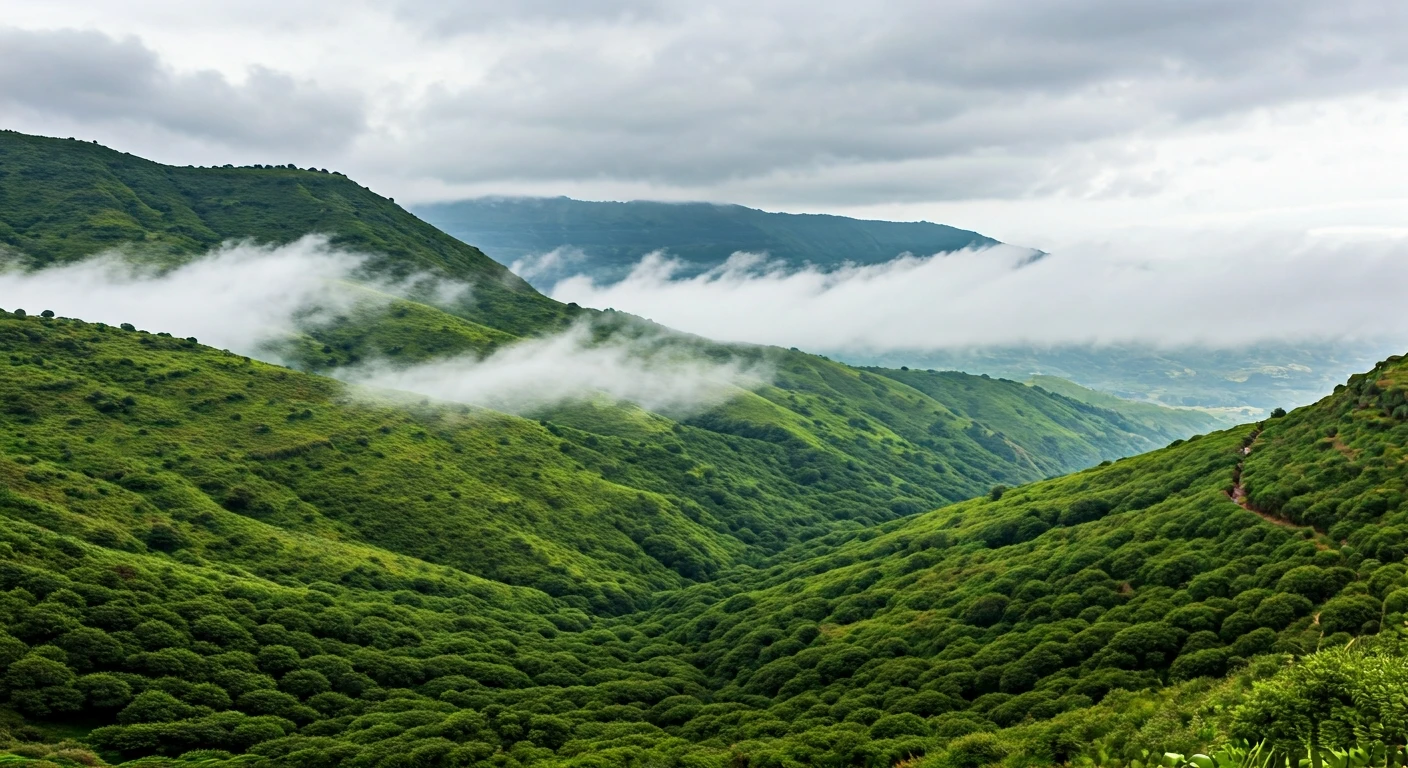
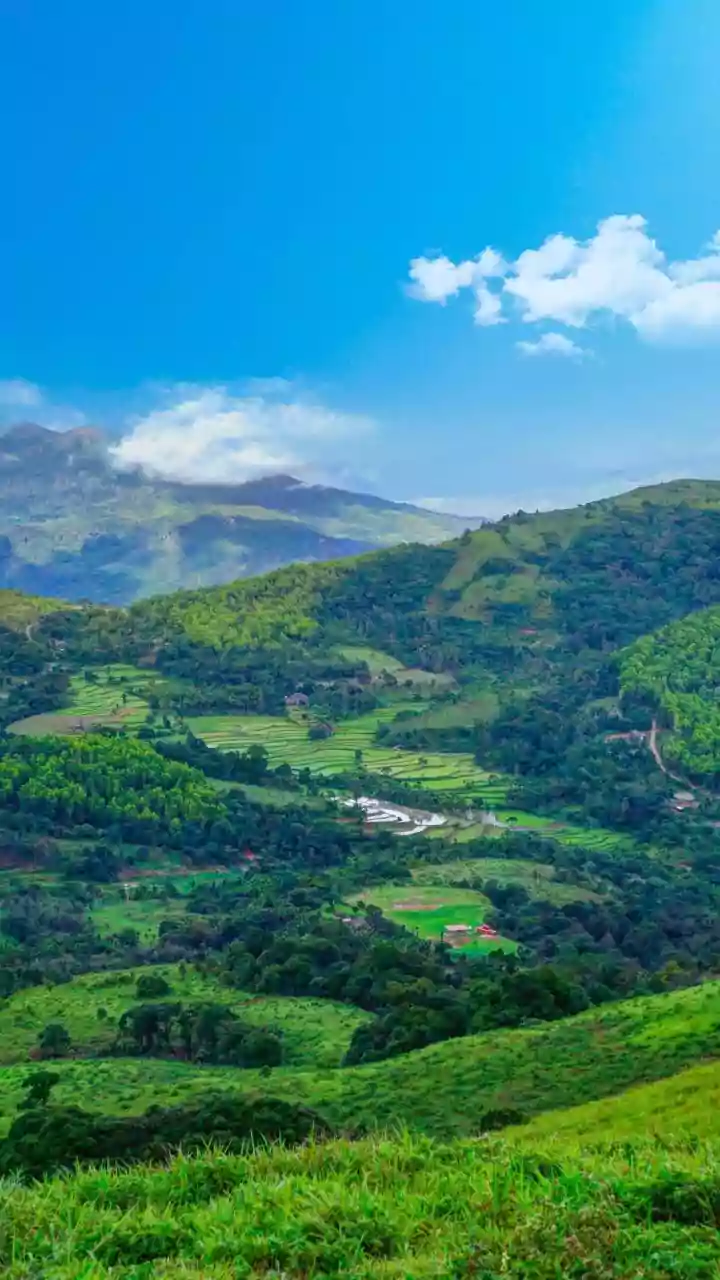
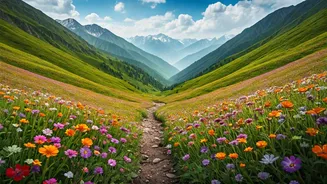
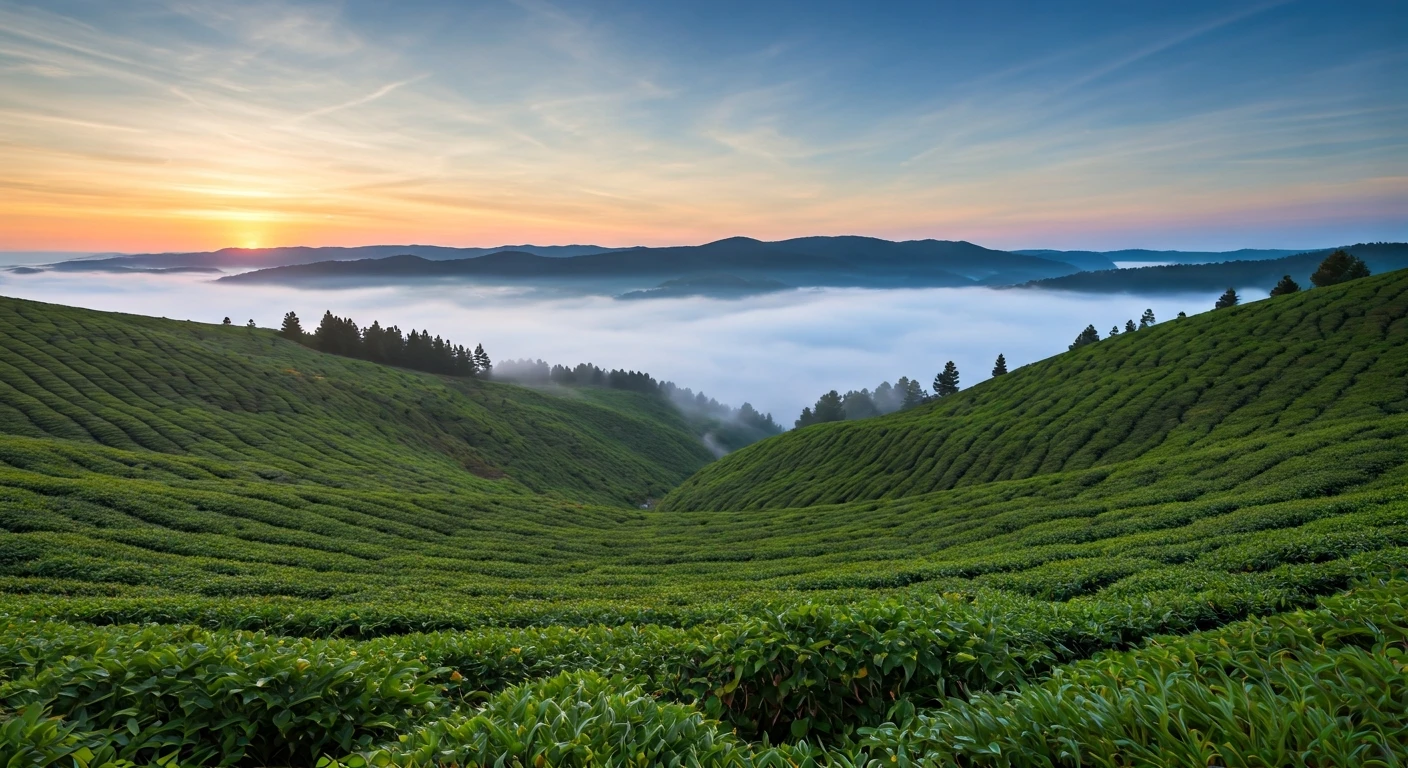
drench the earth, and trigger a spectacular transformation. The rolling Eastern Ghats, a mountain range that forms the state's backbone, shed their arid look and cloak themselves in a vibrant, velvety green. Rice paddies gleam like shattered mirrors under dramatic, steel-gray skies, and the air grows heavy with the scent of wet earth and blossoming flora. This isn’t just a change in color; it’s a change in character. The entire region feels alive, breathing a collective sigh of relief from the pre-monsoon heat.
The Allure of the Downpour
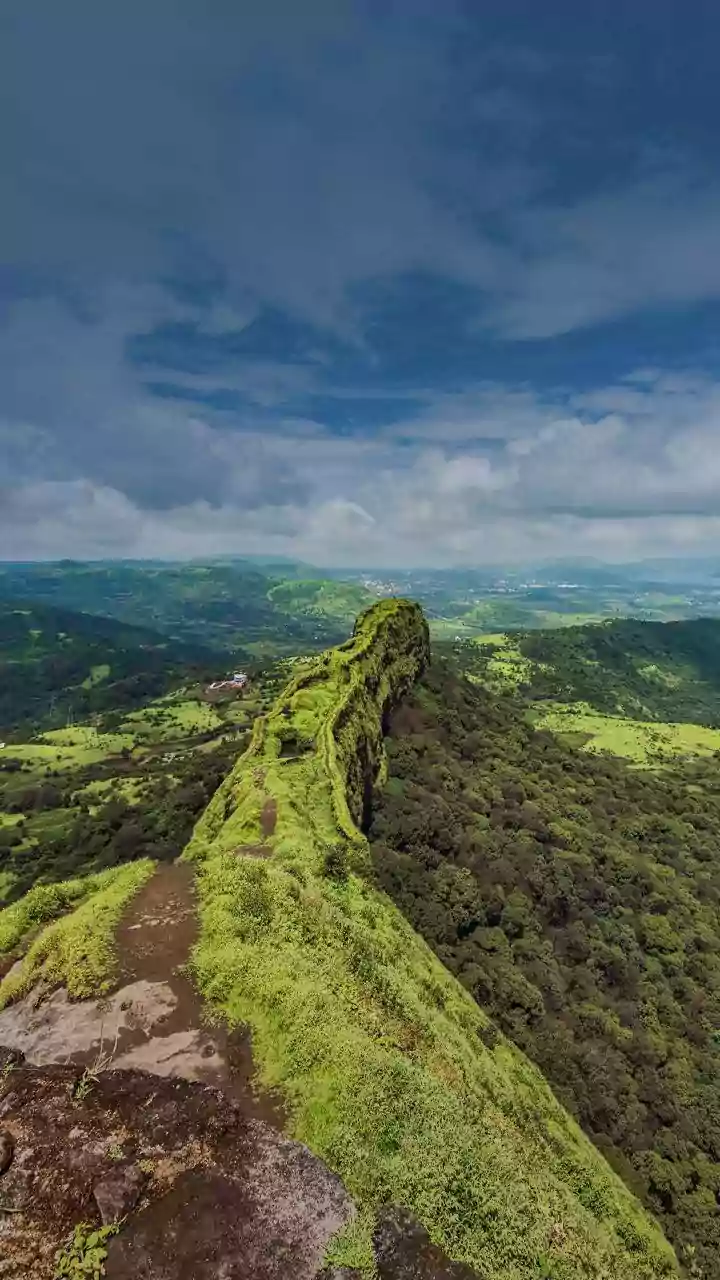
For the adventurous traveler, the monsoon season in Andhra offers a unique appeal that a typical tourist trip in the dry winter months can’t match. First, the crowds are gone. The popular hill stations and viewpoints, often bustling with visitors, become quiet, contemplative spaces. You can experience the majestic beauty of places like the Araku Valley or the Belum Caves with a sense of personal discovery. Second, the heat abates. The intense humidity is a trade-off, but the cloud cover and frequent showers bring daytime temperatures down to a much more comfortable level for exploring. Finally, there’s the sheer spectacle. Waterfalls like Talakona and Ethipothala, which might be mere trickles in May, become roaring, powerful cascades that command respect and awe. The drama of a monsoon storm rolling in over the hills is a sight you won't soon forget.
Navigating the Tricky Terrain
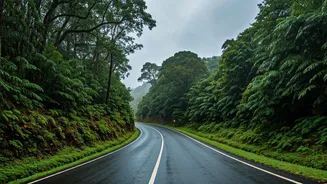
This beauty, however, comes with a clear set of challenges. The word "tricky" in the headline isn't an overstatement. The same rains that create the lush scenery can make travel difficult and, at times, hazardous. In the hilly regions of the Eastern Ghats, particularly on the scenic routes to the Araku Valley, landslides are a real risk. Heavy downpours can cause road closures that last for hours or even days, completely upending a carefully planned itinerary. In the coastal and low-lying areas, localized flooding can disrupt road and rail traffic. Trains may be delayed or rerouted, and rural roads can become impassable. Cell service and electricity can also be unreliable in more remote areas during intense storms. This isn't a trip for those who need a predictable, minute-by-minute schedule.
Your Monsoon Survival Guide
Traveling here during the monsoon doesn't require a miracle, just smart planning. First, embrace flexibility. Don't book a rigid, back-to-back itinerary. Build buffer days into your schedule to account for potential delays. Second, hire a skilled local driver. An experienced driver will know the roads, understand the risks, and be able to get real-time information about closures that you won't find on Google Maps. Third, pack strategically. Waterproofing is key. Bring a reliable rain jacket, waterproof bags for your electronics, and quick-drying clothes. Sturdy, non-slip footwear is essential. Finally, stay informed. Check the weather forecast daily, and have your driver or hotel staff ask about local road conditions before you set out each morning. Prioritize safety above all else; if a road looks unsafe, it probably is.