







The Backlash Against Burnout
For years, the prevailing fitness mantra was “no pain, no gain.” Think punishing bootcamps, high-intensity interval training (HIIT) seven days a week, and the pervasive idea that if you weren’t gasping for air, you weren’t trying hard enough. But a collective
exhaustion has set in. Many people found that this all-or-nothing approach led to injuries, mental fatigue, and inconsistent routines. The pendulum is now swinging back toward moderation. People are realizing that a workout plan you can stick with for a decade is infinitely more valuable than a brutal one you abandon after six weeks. This isn’t laziness; it’s a strategic retreat from a culture of exercise-induced burnout in favor of consistency.
Longevity Science Goes Mainstream
You can’t scroll through social media or browse a podcast app without encountering terms like “healthspan,” “Zone 2 cardio,” and “mitochondrial health.” Scientists and physicians like Dr. Peter Attia, author of the bestseller *Outlive*, and neuroscientist Andrew Huberman have brought complex longevity science to the masses. They’ve successfully translated dense research into actionable advice, emphasizing that the goal isn’t just to live longer (lifespan) but to live *better* for longer (healthspan). Their message is clear: consistent, moderate exercise, strength training for muscle maintenance, and prioritizing stability are the keys to thriving in your 70s, 80s, and beyond. This has reframed exercise from a short-term aesthetic project to a long-term investment in your future self.
From Abs to Functional Strength
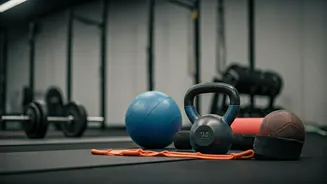
The aesthetic goals that dominated fitness marketing for decades are being replaced by a focus on function. People are asking different questions. Instead of “How do I get a six-pack?” they’re asking, “Will I be able to lift my suitcase into the overhead bin when I’m 75?” or “Can I play with my grandkids without my back hurting?” This shift prioritizes real-world capability. Movements that build stability (like farmer’s walks), improve mobility, and maintain lean muscle mass are gaining popularity. Strength training is no longer just for bodybuilders; it’s seen as essential for preserving metabolic health, bone density, and independence as we age. The new ultimate fitness goal isn't a magazine cover body, but the ability to move through life with ease and confidence, for life.
Wearable Tech Is Nudging Us Gently
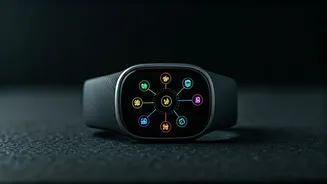
Early fitness trackers were glorified pedometers, primarily focused on calories burned and steps taken. Today’s wearable technology tells a much more sophisticated story. Devices from Whoop, Oura, and Apple now heavily emphasize recovery, sleep quality, and heart rate variability (HRV). Your smartwatch might praise you for a “rest day” when your body needs it or show how a low-intensity walk positively impacted your stress levels. This data-driven feedback loop is teaching users to listen to their bodies. Instead of rewarding pure exertion, the technology rewards balance. It quantifies the benefits of sleep and recovery, making them tangible parts of a fitness plan rather than passive afterthoughts, further cementing the long-game mindset.
The Renaissance of 'Slow Fitness'
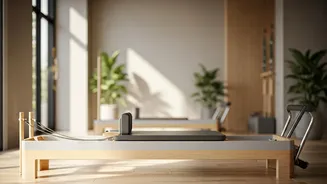
As a direct result of these shifts, lower-intensity activities are having a major moment. Pilates and yoga, once seen as supplemental, are now core components of many routines for their focus on stability, mobility, and core strength. Rucking (walking with a weighted backpack) has exploded in popularity as an effective form of Zone 2 cardio that’s easy on the joints. Even the humble walk is being celebrated for its profound mental and physical health benefits. This isn't about finding the easiest option; it's about building a diverse, resilient fitness portfolio. The understanding is that a mix of strength, stability, and cardiovascular work—at varying intensities—is what creates a truly durable and healthy body.