




Just How Big Is 'Big Way'?
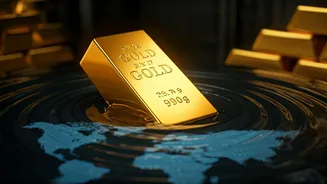
We’re talking about staggering numbers. In 2022 and 2023, central banks collectively bought over 1,000 metric tons of gold each year—a level not seen since the 1960s. To put that in perspective, one metric ton is about the weight of a small car. We're
talking about a convoy of 2,000 cars' worth of solid gold being moved into national vaults over two years. The World Gold Council reports that this trend has continued robustly into 2024. The buyers aren’t small players, either. The People's Bank of China has been on a relentless buying spree, alongside the central banks of Poland, Singapore, Turkey, and India. This isn’t a few countries hedging their bets; it’s a coordinated, global shift in strategy.
Why Gold? Isn't Cash King?
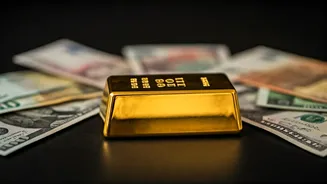
For you and me, cash (or a debit card) is king. For a country, the 'cash' is often U.S. Treasury bonds—debt issued by the American government. For decades, holding U.S. dollars and bonds was the default setting for central banks. It's stable, liquid, and backed by the world's largest economy. Gold, on the other hand, was often seen as a relic. It pays no interest and costs money to store and secure. So why the change of heart? Because gold has one superpower that dollars and bonds don't: it's not controlled by any single country. It’s a neutral reserve asset. When you hold physical gold in your own vault, no foreign government can freeze, seize, or devalue it with the stroke of a pen.
The De-Dollarization Driver
The single biggest motivation behind this gold rush can be summed up in one word: sanctions. When the U.S. and its allies froze Russia's foreign currency reserves after the invasion of Ukraine, it sent a shockwave through the rest of the world. Finance ministers from Beijing to Brasilia took note. They realized that their country's wealth, held in U.S. dollars, was vulnerable to American foreign policy. This has accelerated a long-term trend known as 'de-dollarization'—a strategic effort by countries to reduce their dependence on the greenback. Buying gold is the most direct way to do this. It’s a quiet declaration of economic independence and a way to 'sanction-proof' their national reserves.
A Hedge Against Uncertainty
Beyond geopolitics, gold has always been the ultimate safe-haven asset. In a world rattled by inflation, persistent supply chain issues, and growing conflict, gold is seen as a store of value that can weather any storm. While stocks, bonds, and currencies fluctuate with economic news, gold's value is more insulated. Central bankers are not buying gold because they expect it to triple in value next year; they aren't speculators. They are buying it as insurance. It’s a vote of no-confidence in the stability of the current global financial and political order. They are preparing for a future that looks more uncertain and fragmented than the recent past.
What It Means for the U.S.
So, should Americans be worried? The short answer is 'not yet, but pay attention.' The U.S. dollar's status as the world's primary reserve currency gives America immense power and economic advantages—what’s often called an 'exorbitant privilege.' It allows the U.S. to borrow money more cheaply and exert global influence through its financial system. The current gold-buying trend is a slow-moving challenge to that dominance. While the dollar isn’t going to be dethroned overnight, this shift signals the gradual rise of a multi-polar world where the U.S. is no longer the only game in town. The move toward gold is a symptom of that larger geopolitical realignment.