
The Great Diet Culture Collapse
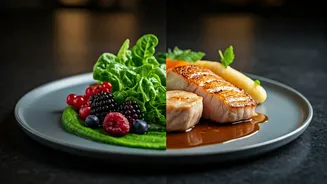
Remember the era of fat-free everything? The obsessive calorie counting, the sad desk salads, the feeling that every enjoyable meal came with a side of guilt? For generations, that was the dominant definition of 'healthy eating': a system of deprivation
built on universal, often punishing, rules. But the foundation of that system is cracking. We’re witnessing the slow-motion collapse of one-size-fits-all diet culture. The anti-diet and intuitive eating movements, once niche, have entered the mainstream, championing the idea of listening to your body’s cues over following a rigid rulebook. This isn't about abandoning nutrition; it's about decoupling it from shame. The message resonating with a burnt-out public is that health isn't measured in pounds lost or calories avoided, but in overall well-being, which includes mental peace and the simple pleasure of a good meal.
Your Body, Your Data
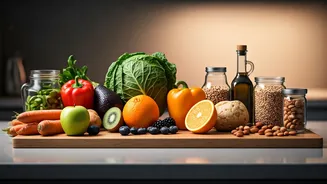
The next evolution of healthy eating isn't about a new fad diet; it's about you. The rise of personalized nutrition is moving us from generic advice to data-driven, individual insights. Wearable technology is at the forefront of this shift. Continuous glucose monitors (CGMs), once reserved for people with diabetes, are becoming accessible to the general wellness consumer. These devices offer real-time feedback on how your unique body responds to different foods—revealing that the 'healthy' oatmeal that works for your friend might spike your blood sugar, while a different meal keeps you stable and energized. This bio-individuality is the ultimate diet-killer. When you have personal data showing what fuels your body best, the punishing, generalized rules of the past become irrelevant. It transforms eating from a game of guesswork and guilt into a process of discovery and optimization, empowering you to build a diet that genuinely serves your body, not a magazine article.
The TikTok Flavor Revolution
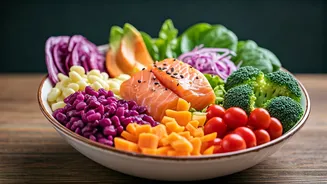
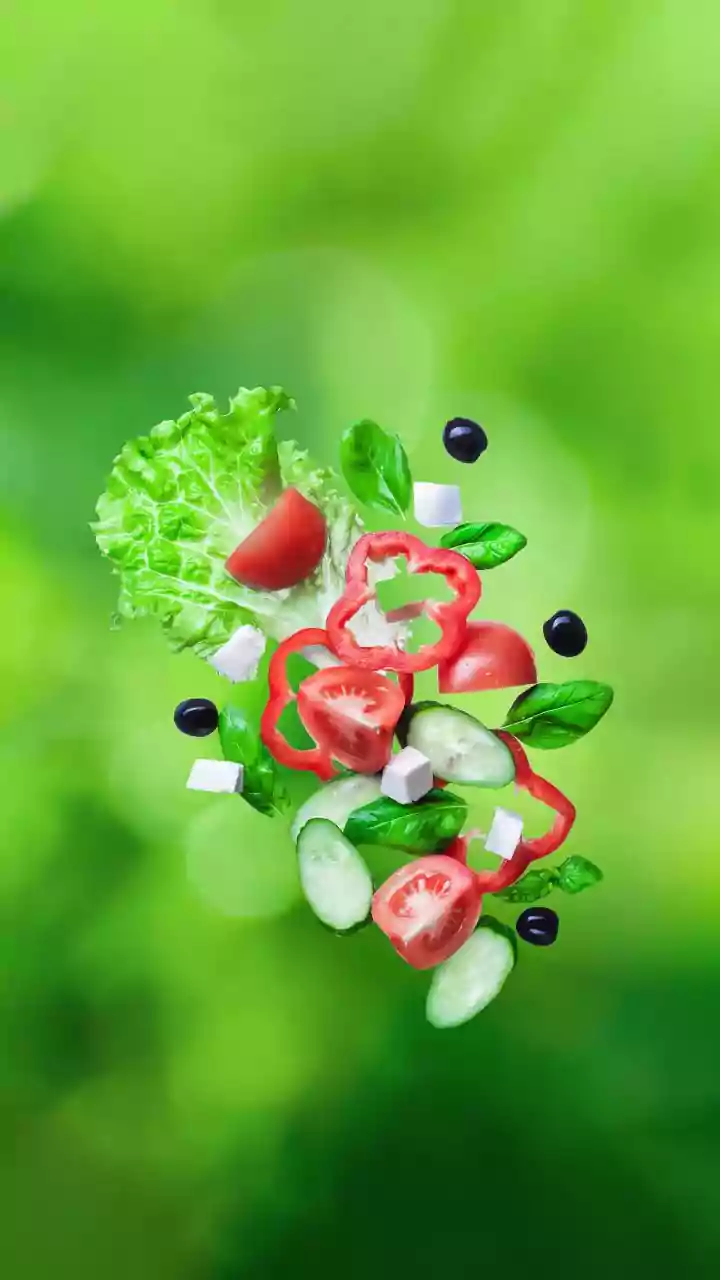
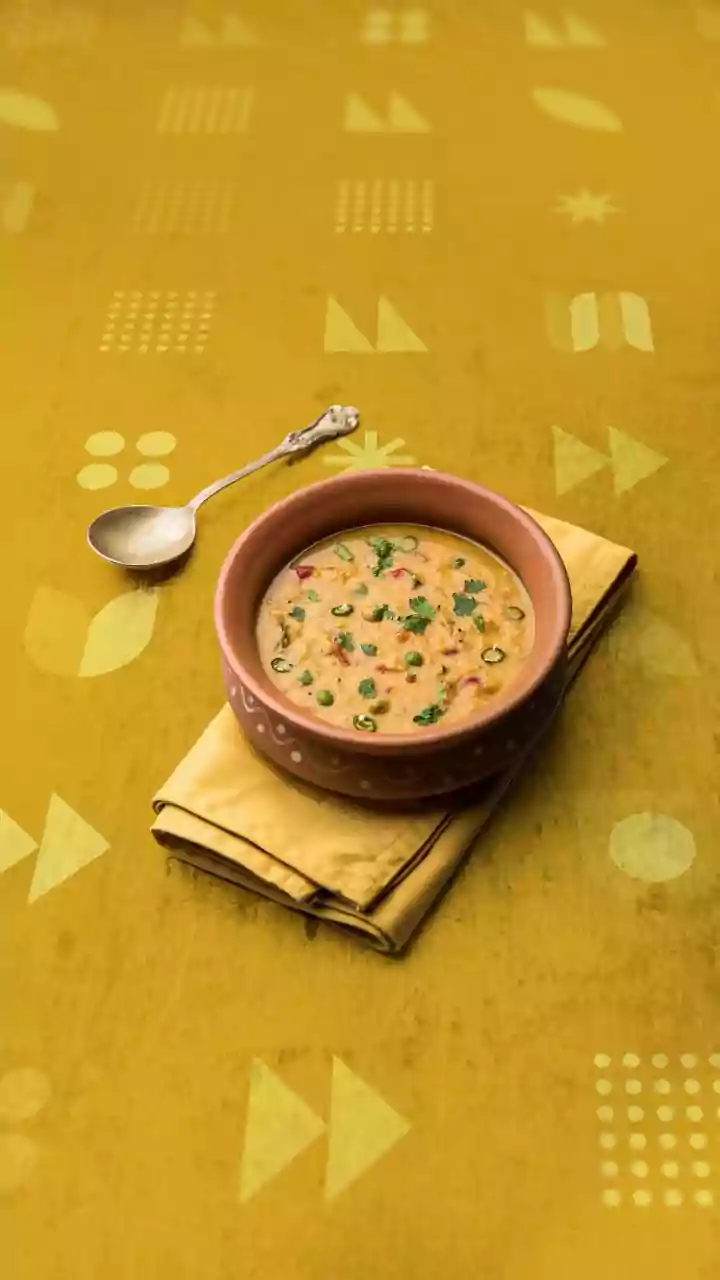
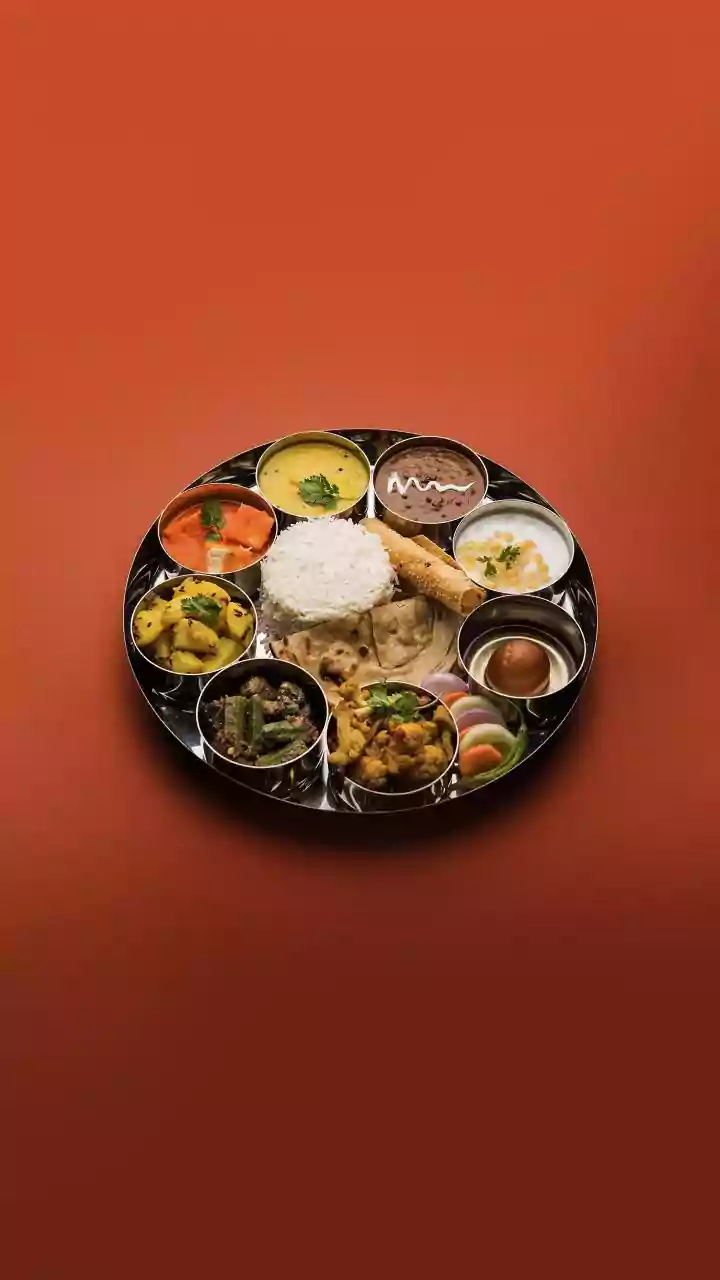
If old-school wellness blogs gave us steamed broccoli and unseasoned chicken breast, TikTok gave us chili crisp, feta pasta, and cowboy caviar. Social media has become a massive, decentralized cookbook, and its biggest contribution to healthy eating is the celebration of flavor and diversity. Influencers from all over the world are showcasing vibrant, nutrient-dense dishes from their own cultures, completely dismantling the myth that healthy food has to be bland. A scroll through your feed might reveal a West African peanut stew, a Korean kimchi jjigae, or a Mediterranean-inspired grain bowl bursting with herbs and spices. This exposure does more than just give us dinner ideas; it fundamentally re-educates our palates and redefines what a 'healthy' plate can look like. It’s colorful, satisfying, and culturally rich. The focus shifts from what to cut out to what to add in: more spices, more fiber-rich vegetables, more diverse proteins, and, most importantly, more joy.
Wellness Gets a Bigger Definition
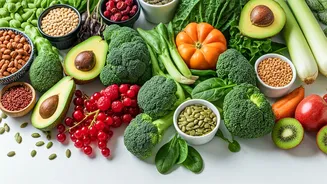
Perhaps the most profound shift is in the very definition of 'health.' It’s expanding beyond the narrow confines of physical appearance and weight. Today, a truly healthy lifestyle is understood as a holistic concept that includes mental health, gut health, hormonal balance, sleep quality, and even the social connection that comes from sharing a meal. This broader perspective makes punitive eating habits seem counterproductive. After all, how healthy is a diet that causes you constant stress and anxiety? Or a restrictive plan that alienates you from social gatherings? By 2026, the idea of punishing yourself in the name of health will seem deeply illogical. Instead, the focus will be on 'addition' and 'nourishment'—adding foods that support your gut microbiome, choosing meals that stabilize your mood and energy, and recognizing that the pleasure and community derived from food are essential components of a well-lived life.