








So, What Is Budget Wellness?
At its core, budget wellness is a rejection of the idea that self-care must be expensive to be effective. For years, the wellness industry sold a specific, highly commercialized dream: boutique fitness classes, designer athleisure, exotic superfoods,
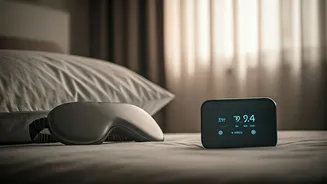
and a cabinet full of pricey supplements. Budget wellness flips that script. It’s less about buying and more about doing. It prioritizes accessibility, simplicity, and sustainability over luxury and exclusivity. Think less about a $500 smart ring that tracks your sleep and more about simply creating a consistent bedtime routine. It’s a mindset shift that redefines well-being not as a status symbol, but as a series of small, intentional, and often free choices that genuinely improve your physical and mental state.
A Backlash to 'Perfect' Wellness
This movement isn't just about saving money; it’s a cultural correction. Many people, particularly Millennials and Gen Z, are experiencing burnout from the pressure to perform wellness perfectly. The Instagram-fueled aesthetic of flawless smoothie bowls and serene yoga poses on a remote beach created an impossible standard. The rise of “deinfluencing”—where creators actively discourage followers from buying overhyped or unnecessary products—is a direct symptom of this fatigue. Consumers are growing wary of the endless cycle of new must-have products. Budget wellness is the antidote, championing authenticity over aspiration. It says that a walk in a local park is just as valid as a Himalayan trekking expedition, and that peace of mind doesn't have to come with a hefty price tag.
Inflation Is the Ultimate Influencer
Let’s be honest: the economy is the biggest driver of this boom. With inflation touching everything from groceries to gas, discretionary spending is the first to get cut. For many households, a $35-a-session spin class or a $150 jar of face cream has moved from a justifiable splurge to an outright luxury. People aren't giving up on wellness; they're just getting smarter and more resourceful about it. They’re looking for “dupes” (duplicates) of high-end skincare, canceling little-used gym memberships in favor of free online workouts, and discovering the mental health benefits of low-cost hobbies. In this environment, the most effective wellness strategy is the one that doesn’t strain your bank account.
The New Rules of Self-Care
So what does budget wellness look like in practice? It’s about finding value in simplicity. The “soft hiking” trend, for example, is just a rebrand of a leisurely walk in nature—no special gear required. At-home workouts, powered by thousands of free, high-quality instructors on YouTube, have replaced expensive studio memberships. In beauty, the focus has shifted to “skinimalism,” using fewer, more affordable, and ingredient-focused products from brands like The Ordinary or CeraVe. For mental health, it’s about embracing journaling, free meditation apps like Insight Timer, or simply scheduling intentional time away from screens. Even cooking at home is being framed as a wellness activity, offering a chance to control ingredients and de-stress after a long day.