





The New Freedom to Travel
For decades, international travel for many Indian citizens was a bureaucratic marathon. Planning a trip often meant navigating a labyrinth of visa applications, interviews, and paperwork that could take weeks or months. But the landscape is changing fast.
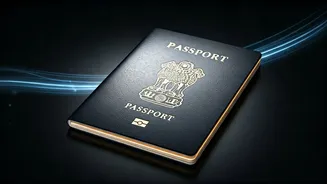
The term 'mobility gains' refers to the increasing power of a nation's passport, measured by the number of countries its holder can enter without a pre-approved visa. For Indians, these gains are becoming tangible. In late 2023, tourism-hungry nations like Thailand, Sri Lanka, and Malaysia announced visa-free entry for Indian nationals, joining a growing list of destinations eager to roll out the welcome mat. While India's passport still ranks modestly on global indices like the Henley Passport Index, its slow but steady climb is symbolic of a larger trend. Each new visa waiver or visa-on-arrival arrangement is celebrated on social media and travel forums across India, not just as a convenience, but as a sign of growing global respect and economic clout. This newfound freedom is unlocking pent-up demand for international exploration on a massive scale.
An Economic Boom Takes Flight
This travel surge isn’t happening in a vacuum. It’s the direct result of India’s economic trajectory. With a rapidly expanding middle class, rising disposable incomes, and one of the world's youngest populations, hundreds of millions of Indians now have the financial means and the aspiration to travel abroad for the first time. For this new generation of travelers, a trip to Europe, Southeast Asia, or the Middle East is no longer a distant dream but an attainable goal. Industry analysts project that India is on track to become the world’s fourth-largest outbound travel market by 2030, with its citizens spending upwards of $42 billion a year on tourism. This isn't just about luxury travel; it's a broad-based boom encompassing everything from budget backpacking trips to family vacations and destination weddings. Improved flight connectivity from second and third-tier Indian cities has also made the world more accessible than ever, fueling a self-reinforcing cycle: as more Indians travel, airlines add more routes, and destinations become even more attainable.
A Global Race for the Indian Tourist
Countries around the world are taking notice and actively competing for a slice of this lucrative market. The visa waivers from Southeast Asian nations are not acts of charity; they are calculated economic strategies to capture a share of the billions of dollars Indian tourists are projected to spend. Switzerland has noted a surge in visitors thanks to its prominence in classic Bollywood films, and it now specifically markets its scenic landscapes to Indian tour groups. Dubai has long been a favorite, tailoring shopping festivals and entertainment to Indian tastes. This competition is forcing tourism boards to think differently. It’s no longer enough to offer a generic experience. Destinations are investing in marketing campaigns that resonate with Indian cultural values, ensuring the availability of vegetarian food options, and creating packages that cater to large, multi-generational family groups. The countries that adapt most quickly to the needs and preferences of the Indian traveler are the ones poised to win big in the coming decade.
What This Means for American Travelers
For Americans, this global shift will have noticeable effects. First, expect more competition. Popular destinations, from the beaches of Phuket to the museums of Paris, will see a significant influx of new visitors. This could mean more crowded attractions and potentially higher prices for flights and hotels during peak seasons. On the other hand, the boom also drives investment in tourism infrastructure globally, which can benefit all travelers. More importantly, it puts the spotlight on U.S. visa policy. The United States remains a top-tier aspirational destination for many Indians, but obtaining a visitor visa can be a lengthy and difficult process, with long wait times for interviews. As other countries make it easier for Indian tourists to visit, the U.S. faces a choice: streamline its own processes to compete for these high-spending tourists, or risk losing out to more welcoming destinations. The rise of the Indian traveler isn't just a story about India; it's a test of whether the American tourism industry—and its government—is ready for the next wave of global travel.