




First, What Is 'Soft Travel'?
Before diving into Seoul’s sunrise charms, it helps to understand the digital landscape where this trend is flourishing. ‘Soft travel’ is the antithesis of the hyper-curated, high-energy vacation content that dominated Instagram for years. It’s not about
ticking off the Eiffel Tower or bungee jumping in New Zealand. Instead, it prioritizes atmosphere, feeling, and the quiet, mundane moments that make a place unique. Think less ‘epic adventure’ and more ‘main character in a cozy indie film.’ This style of content values slowness, authenticity, and a sense of peaceful immersion over a packed itinerary. It’s about capturing the feeling of *being* somewhere, not just seeing things.
The Anatomy of Korea’s ‘Morning Mood’
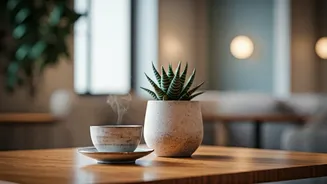
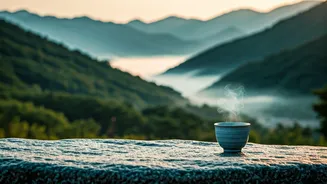
So, what exactly constitutes Korea’s ‘morning mood’? Visually, it’s a masterclass in calm. It’s the gentle sunlight filtering through the large, clean window of a minimalist apartment. It’s the steam rising from a cup of roasted barley tea or a meticulously crafted latte. The content often features simple, artfully arranged breakfasts—a single piece of gyeran-mari (rolled omelet) or a beautifully textured sweet potato. The color palette is muted and natural: beiges, creams, soft whites, and the warm tones of wood. The soundtrack isn't a trending pop song, but the ambient sound of a quiet street, the gentle clink of ceramics, or simply, silence. It’s a sensory experience that feels both aspirational and deeply calming.
The Cornerstone: Aesthetic Cafe Culture
At the heart of this trend is South Korea's unparalleled cafe culture. In cities like Seoul and Busan, cafes are not just places to get a caffeine fix; they are meticulously designed temples of aesthetic. Each one offers a distinct universe, from industrial-chic lofts and traditional hanok-style teahouses to spaces that look like art galleries. These establishments are tailor-made for the ‘soft travel’ ethos. They provide the perfect backdrop for a slow morning, encouraging patrons to linger, read, or simply watch the world go by. Travelers and locals alike use these spaces as a third place—an extension of their living room—making them the primary stage for capturing that perfect, contemplative morning shot.
Beyond the Cafe: Quiet Streets and Rituals
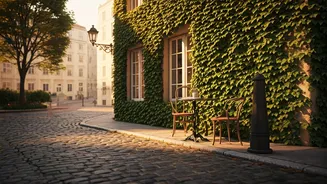
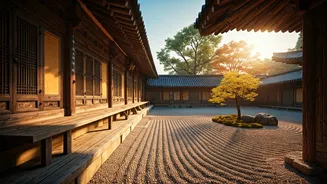
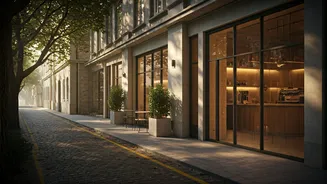
While cafes are central, the ‘morning mood’ extends into the streets and daily routines. It’s an early walk through a neighborhood like Bukchon Hanok Village in Seoul before the tourist crowds descend, capturing the elegant curves of the traditional tiled roofs against a pale morning sky. It’s the quiet efficiency of the Seoul subway during the early hours or the sight of a shopkeeper methodically sweeping their storefront. This trend romanticizes the beauty in the everyday, finding poetry in the mundane rituals that signal the start of a day in a foreign city. It taps into the fantasy of living like a local, not just visiting like a tourist.
Why This Trend Is Resonating Now
The popularity of Korea's morning mood isn't happening in a vacuum. It’s a direct response to a world saturated with hustle culture and digital burnout. We’re tired, and the idea of a slow, intentional morning is a powerful antidote. Furthermore, the global explosion of K-dramas has primed audiences to appreciate this specific aesthetic. Countless shows have romanticized the quiet beauty of Korean daily life, creating a cultural shorthand that viewers are now eager to experience for themselves. This trend combines the wellness movement’s focus on mindfulness with the escapism of travel, offering a vision of peace that feels both beautifully foreign and universally desired. It suggests that the best part of a vacation might not be what you do, but how you feel.