

From Project Cooking to Pantry Staple
Not long ago, cooking food from the Indian subcontinent at home felt like a commitment. For many Americans, it meant a trip to a specialty store for spices, hours of simmering, and a lengthy, multi-step process reserved for a weekend project. The alternative
was a restaurant. The idea of high-quality, authentic 'Desi'—a term embracing the cultures of India, Pakistan, and Bangladesh—food that was also quick and easy was almost an oxymoron. Convenience was associated with Italian pasta sauces, Mexican taco kits, and American casseroles. But the cultural and culinary landscape is shifting, and the grocery aisle is the front line of this delicious change.
The New Look of Desi Convenience
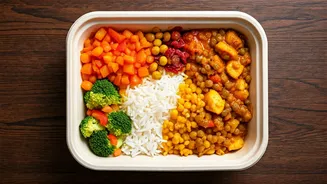
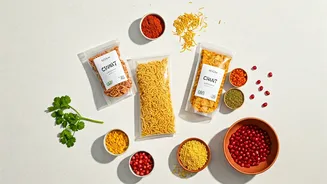
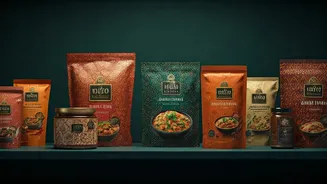
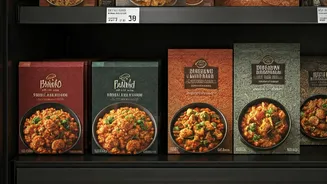
The 'Desi rebrand' isn't about dumbing down flavors; it's about smartening up the format. Today’s innovators are packing generations of culinary heritage into packages that fit modern American life. Think of high-quality frozen entrees from brands like Deep Indian Kitchen and Saffron Road that deliver restaurant-level saag paneer or chicken tikka masala in under five minutes. Look at the simmer sauces from Brooklyn Delhi or Maya Kaimal, which let a home cook create a complex, layered curry by simply adding a protein or vegetables. It extends to snacks, too, with masala-spiced chips, puffed water lily seeds (makhana), and gourmet samosas that go from freezer to air fryer to party platter in minutes. This isn't your parents' 'ethnic food' aisle; this is the new mainstream.
The Second-Generation Effect
So, who is driving this change? The answer, overwhelmingly, is second-generation South Asian Americans. This is a generation that grew up in two worlds: eating mom’s dal and biryani at home while grabbing pizza or mac and cheese with friends. They carry a deep appreciation for the authentic flavors of their heritage but also intimately understand the American demand for speed and convenience. As entrepreneurs, they are perfectly positioned to bridge that gap. They are creating the products they wished they had in college or as busy young professionals—food that tastes like home, without spending all day making it. They are not just selling a product; they are sharing a piece of their identity, packaged for a wider audience.
Breaking Out of the 'Ethnic' Aisle
Perhaps the most significant part of this rebrand is physical placement. For years, such products were relegated to a small, dusty 'International' section in the back of the store. Success now means breaking out of that box. Today, you are just as likely to find a jar of high-quality tikka masala sauce right next to the Prego and Ragu in the pasta aisle. Premium frozen samosas are sitting beside mainstream pizza rolls in the freezer case at Target or Whole Foods. This strategic move is a powerful statement: this is no longer 'foreign' food. It's simply an American dinner option, just like any other. By refusing to be siloed, these brands are redefining what belongs in the modern American pantry.
What '2026' Really Means
The '2026 Rebrand' isn't a futuristic fantasy; it’s the culmination of a trend that’s already well underway. By then, we can expect Desi flavors to be even more integrated into the fabric of American convenience. We might see turmeric lattes in ready-to-drink formats next to Starbucks Frappuccinos, paneer-and-egg breakfast wraps in the freezer section, and mango lassi yogurt tubes for kids' lunchboxes. The goal is ubiquity. The ultimate success for this movement won't be when South Asian food is seen as a hot trend, but when it’s so commonplace and essential to the American diet that it’s no longer remarked upon at all. It will just be what’s for dinner.