





The Smart Way to Sweat
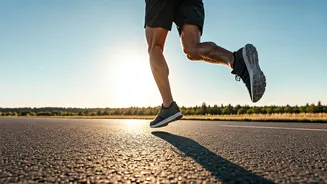
So, what exactly is heat-aware training? It’s not about avoiding sweat; it’s about being strategic. Think of it as a proactive approach to exercising in warm weather that prioritizes safety and effectiveness over pushing through discomfort. Instead of treating
heat as an enemy to be conquered, you learn to work with it. This means adjusting not just *what* you do, but *how*, *when*, and *where* you do it. The goal is to maintain consistency and continue making progress without succumbing to the dangerous effects of heat stress, which can range from poor performance and dehydration to life-threatening conditions like heatstroke.
Master the Art of Acclimatization
Your body is an amazing machine, capable of adapting to new stressors—including heat. This process, called heat acclimatization, is your first line of defense. When you gradually expose yourself to exercise in warmer conditions, your body learns to cool itself more efficiently. It starts sweating sooner and more profusely, and the sweat contains less salt, which helps maintain electrolyte balance. The best way to acclimatize is slowly. Start with shorter, less intense workouts in the heat. Over a period of 7 to 14 days, gradually increase the duration and intensity. This patient approach allows your cardiovascular system and sweat response to adjust, turning you into a more efficient summer athlete.
Time Your Workouts to Beat the Sun
One of the simplest yet most effective strategies is to become an early bird or a night owl. The sun is at its most punishing, and the temperatures are typically highest, between 10 a.m. and 4 p.m. By shifting your outdoor run, bike ride, or park workout to the early morning or later evening, you can avoid the worst of the day's heat and humidity. Morning workouts often offer the coolest, freshest air of the day. If evenings are your only option, just be sure to give yourself a couple of hours before bed to allow your body temperature and heart rate to come down, ensuring your workout doesn't interfere with your sleep.
Adjust Intensity, Not Your Goals
A hot and humid day is not the time to chase a new personal record on a 10-mile run. Heat adds a significant physiological load on your body, meaning your heart has to work harder to do the same amount of work. A workout that feels like a 6/10 effort on a cool spring day might feel like a 9/10 in the middle of July. Pay attention to your rate of perceived exertion (RPE) rather than sticking rigidly to pace or wattage. You can modify your workout by shortening high-intensity intervals, adding more rest periods, or reducing the overall duration. Or, swap that outdoor run for a session in an air-conditioned gym, a swim in the pool, or a yoga class.
Hydrate Smarter, Not Just Harder
You already know you need to drink water, but heat-aware hydration is more nuanced. Start hydrating well before your workout begins—don't wait until you're thirsty, as that's an early sign you're already dehydrated. During your workout, aim to drink small, frequent sips of water. If you're exercising for more than 60 minutes or sweating heavily, you'll also need to replace lost electrolytes like sodium and potassium. An electrolyte drink or a simple snack like a banana and a handful of salty pretzels can help replenish what you've lost. After your workout, continue to rehydrate to aid recovery.
Know the Body's Warning Signs
The most important part of heat-aware training is listening to your body and knowing when to stop. Familiarize yourself with the signs of heat-related illness. Symptoms of heat exhaustion include heavy sweating, cold and clammy skin, a weak but fast pulse, nausea, muscle cramps, and dizziness. If you experience these, stop exercising immediately, move to a cooler place, and sip water. Heatstroke is a medical emergency characterized by a high body temperature (103°F or higher), hot and red skin (which may be dry or moist), a rapid and strong pulse, and potential confusion or loss of consciousness. This requires immediate medical attention.