




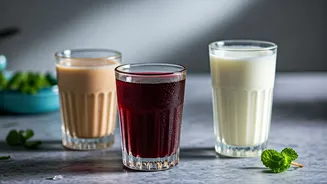
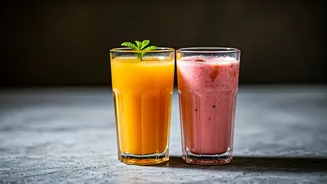
So, What Is Protein Soda?
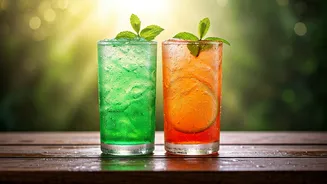
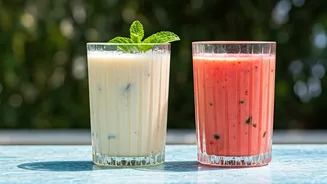
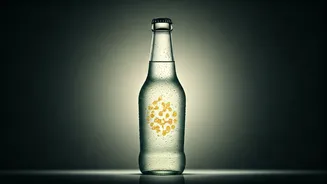
At its core, protein soda is exactly what it sounds like: a carbonated beverage infused with a significant dose of protein. Think of it as the love child of a sparkling water and a protein shake. Most brands start with a base of carbonated water, then
add a protein source—typically collagen peptides or whey protein isolate—along with natural flavors and zero-calorie sweeteners like stevia or monk fruit. The goal is to deliver the satisfying fizz of a traditional soda without the mountain of sugar, while also providing a functional boost of 10 to 20 grams of protein per can. It’s part of the rapidly growing “functional beverage” market, where your drink is expected to do more than just hydrate; it should also improve your gut health, boost your energy, or, in this case, help you hit your protein macros.
Why Is This Happening Now?
The rise of protein soda isn’t happening in a vacuum. It’s the perfect storm of several major consumer trends. First, Americans are obsessed with protein. From breakfast bars to coffee creamers, we’re looking to sneak more of this muscle-building, satiating macronutrient into our diets. Second, there’s a massive consumer backlash against sugar. Traditional sodas have been on the decline for years as health-conscious shoppers seek out low-sugar or zero-sugar alternatives. This created a huge opening for brands like LaCroix, and more recently, for “healthy-ish” sodas like Poppi and Olipop, which offer gut-health benefits. Protein soda is the next logical step in this evolution: it takes the low-sugar, flavored fizz concept and adds the wellness halo of a protein supplement. It’s a drink designed for the TikTok generation, where aesthetics, health claims, and novelty rule.
The Big Question: Is It Actually Good for You?
This is where the conversation gets nuanced. On the plus side, protein soda can be a convenient way to increase your daily protein intake, especially for those who struggle to eat enough or want a lighter alternative to a milky, dense protein shake after a workout. With little to no sugar and minimal calories, it’s certainly a healthier choice than a can of regular Coke or Pepsi. However, nutrition experts are quick to point out that it’s still a highly processed product. The protein sources, while effective, are isolates, not whole foods. Relying on a soda for your protein is no substitute for a balanced diet rich in lean meats, fish, beans, and legumes. Furthermore, not all protein is created equal. Many brands use collagen, which is great for skin and joint health but isn't a “complete” protein for muscle synthesis like whey is. It's best to think of protein soda as a supplement in a can—a fun, occasional treat that can help you reach a goal, not a foundational part of a healthy lifestyle.
But How Does It Taste?
Let’s be honest: this is the make-or-break factor. The idea of a fizzy, protein-packed drink can conjure up images of a chalky, vaguely fruity mess. Early iterations of protein drinks were notorious for their unpleasant texture and aftertaste. However, food science has come a long way. Most modern protein sodas, from brands like Vieve, Fizzique, and SLIMFAST, come in familiar, crowd-pleasing fruit flavors like Strawberry & Rhubarb, Orange & Mango, or Black Cherry. The consensus from online reviewers is that they are surprisingly drinkable. They are generally less sweet than traditional sodas and have a lighter body than a protein shake. The primary critique often revolves around texture. Some describe a slightly thicker mouthfeel or a subtle film-like sensation compared to regular sparkling water, a common side effect of dissolving that much protein into a liquid. It’s not quite a seltzer, and it’s not quite a shake—it’s a category all its own.