


Embrace the 'Plate Method'
The single most effective tool for ending mealtime panic is visual. Forget counting every calorie and instead focus on simple proportions. The 'Healthy Eating Plate,' popularized by experts at Harvard and adopted by many nutritionists, offers a brilliantly
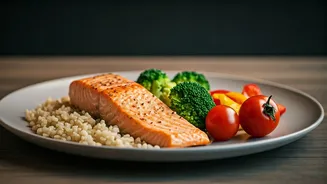
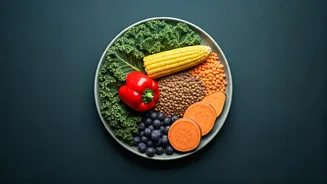
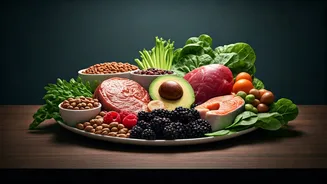
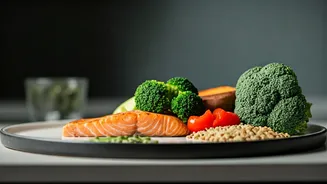
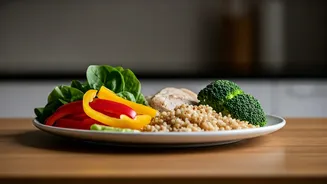
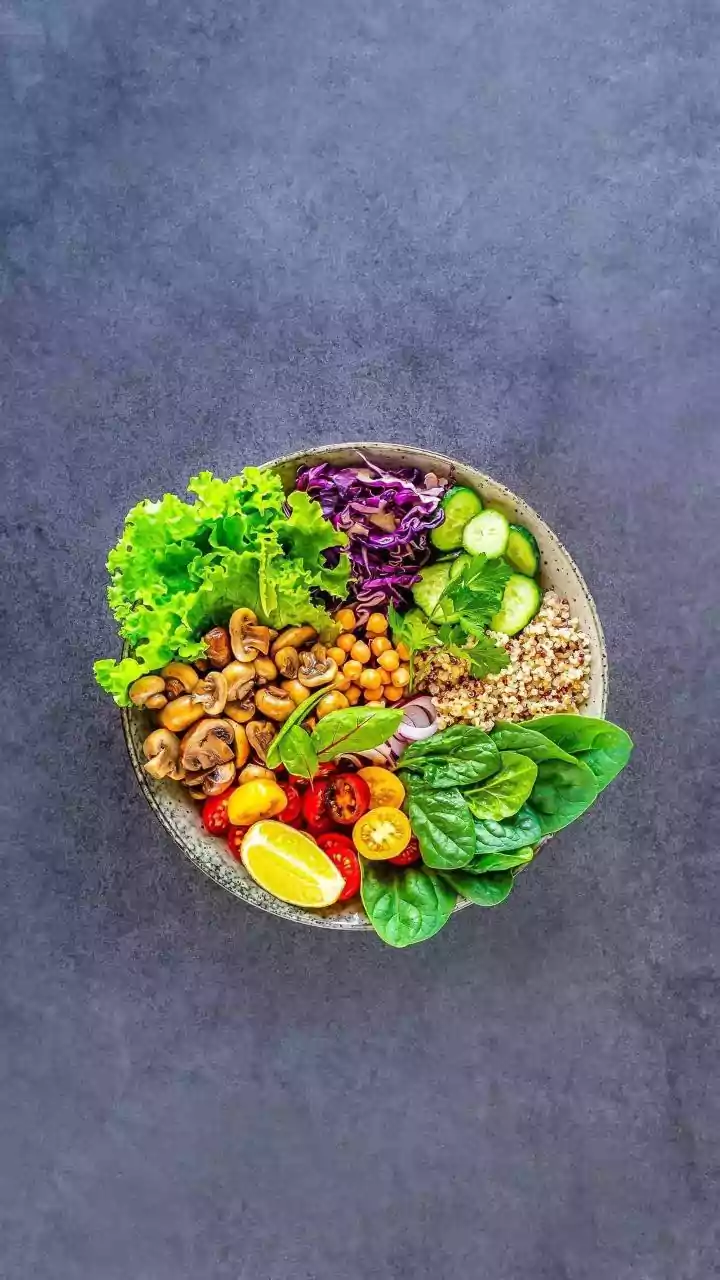
simple guide. Imagine your plate is divided into four quarters. Fill two of those quarters (half your plate) with vegetables and fruits. The more color and variety, the better. One quarter should be dedicated to lean protein—think chicken, fish, beans, or tofu. The final quarter is for whole grains or complex carbohydrates, such as brown rice, quinoa, whole-wheat pasta, or sweet potatoes. This visual cue ensures you’re getting a mix of fiber, vitamins, protein, and sustained energy in every meal, no complex math required.
Make Friends with Macronutrients
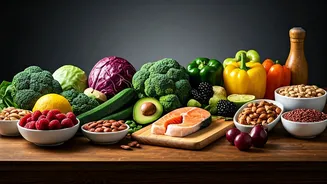
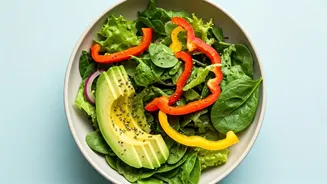
Diet culture loves a villain. For years it was fat; more recently, carbohydrates have been public enemy number one. The truth is your body needs all three macronutrients—protein, carbohydrates, and fats—to function optimally. They aren't enemies; they're essential tools. Protein builds and repairs tissue. Carbohydrates are the brain’s primary and the body’s most efficient source of energy. Healthy fats are crucial for hormone production, vitamin absorption, and protecting your organs. The panic arises when we try to eliminate one entirely. Instead of banning carbs, choose complex ones that provide fiber and a slow release of energy. Instead of fearing fat, opt for unsaturated fats found in avocados, nuts, and olive oil. Balance isn't about elimination; it's about making smarter choices within each category.
Color Is Your Simplest Health Cue
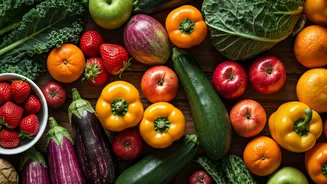
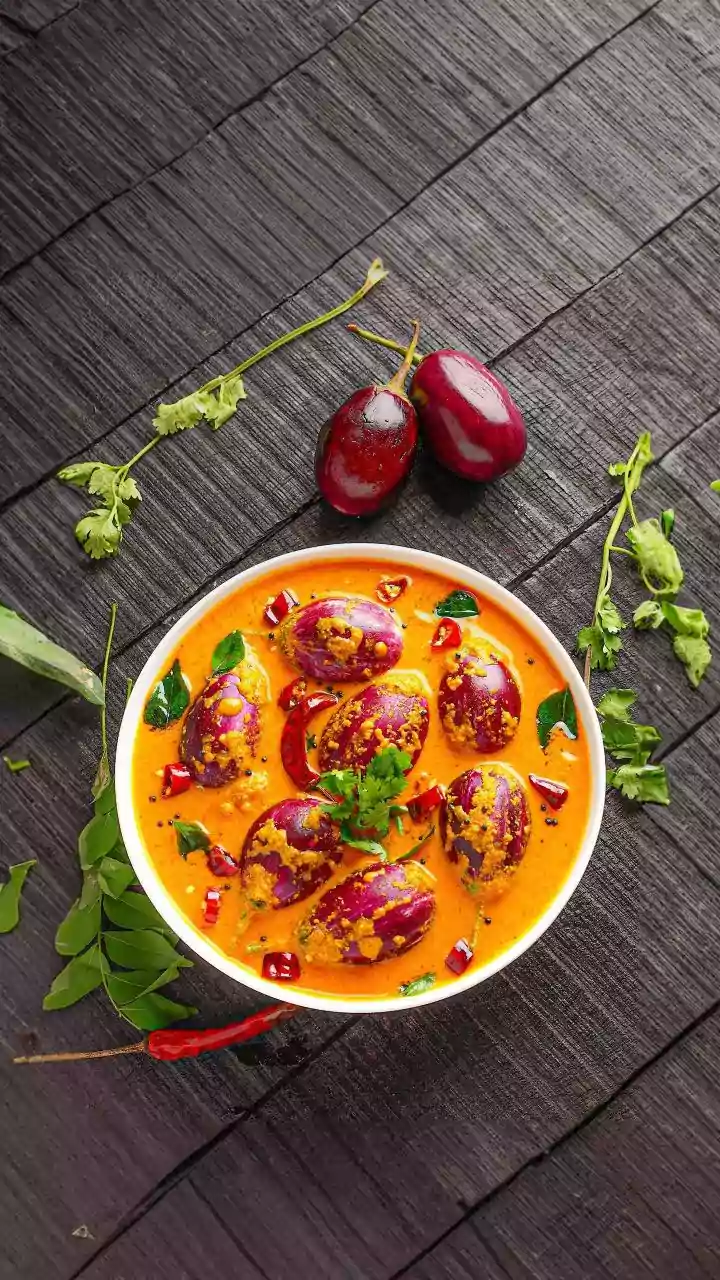
If you're not interested in memorizing which vegetable has which vitamin, here's a shortcut: eat the rainbow. The different colors in fruits and vegetables generally correspond to the presence of different phytonutrients, which are beneficial compounds that have antioxidant and anti-inflammatory properties. Red foods like tomatoes and watermelon contain lycopene. Orange and yellow foods like carrots and bell peppers are rich in beta-carotene. Green foods like spinach and broccoli provide lutein and folate. Blue and purple foods like blueberries and eggplant are packed with anthocyanins. By aiming to get a few different colors on your plate each day, you are naturally diversifying your nutrient intake without having to think too hard about it.
Listen to Your Body, Not Just the Clock
We've been conditioned to eat at specific times, regardless of our body's signals. Breakfast at 8 a.m., lunch at noon, dinner at 6 p.m. But true balance involves listening to your internal cues of hunger and fullness. This practice, often called 'intuitive eating,' encourages you to eat when you’re genuinely hungry and stop when you’re comfortably full, not stuffed. It means divorcing food from feelings of guilt and reconnecting with the biological purpose of eating: to fuel and nourish your body. Some days you might be hungrier than others based on your activity level or sleep. Honoring that, rather than sticking to a rigid external schedule, is a powerful form of self-care that reduces the stress around eating.
Plan for Pleasure, Don't Punish It
The 'all-or-nothing' mindset is the enemy of balance. It's the voice that says, 'I ate one cookie, so I might as well eat the whole box and start my diet again on Monday.' This cycle of restriction and bingeing is exhausting and unsustainable. A truly balanced approach to eating makes room for the foods you genuinely love. It's not about 'cheat meals,' which implies you're doing something wrong. It's about planning for pleasure. If you know you're going out for pizza and ice cream with friends on Saturday, enjoy it completely and without guilt. The other meals that week, you can lean on the plate method. When no food is forbidden, no single food holds power over you. This shift removes the panic and replaces it with a sustainable, enjoyable relationship with food.