




Reframe It as the 'Green Season'
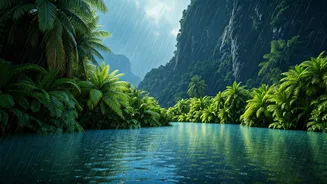
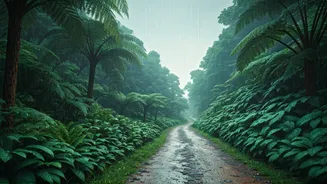
The first step to smarter monsoon travel is a mental one: stop calling it the rainy season and start calling it the 'green season.' This isn't just a marketing trick; it’s a reality. After months of dry heat, the first rains transform landscapes from
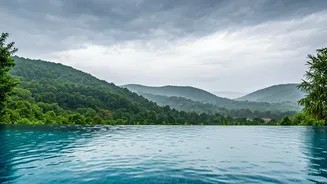
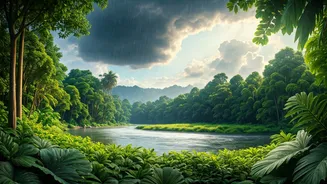
dusty brown to a brilliant, almost impossibly lush green. For photographers and nature lovers, this is prime time. Imagine the vibrant rice paddies of Vietnam, the misty, rejuvenated hills of India’s Western Ghats, or the blooming deserts of the American Southwest. The air is cleaner, the dust has settled, and the world feels alive. Waterfalls that are mere trickles for most of the year become thundering spectacles. This is the time to see these destinations at their most dramatic and beautiful.
Enjoy Off-Season Prices and Fewer Crowds
Perhaps the most compelling argument for green season travel is the impact on your wallet and your personal space. Because most tourists are scared off by the prospect of rain, demand for flights, accommodations, and tours plummets. This is your chance to snag a room at that luxury hotel for a fraction of its high-season price or find incredible deals on airfare. Beyond the savings, the lack of crowds is a luxury in itself. You can explore iconic sites like Angkor Wat in Cambodia or the temples of Chiang Mai, Thailand, without battling a sea of selfie sticks. You’ll get a more authentic feel for a place when you’re not elbow-to-elbow with other visitors, allowing for more genuine interactions with locals and a more peaceful, reflective travel experience.
Understand the Rhythm of the Rain
The biggest misconception about monsoon season is that it rains constantly. In many popular travel destinations, this simply isn't true. The rain often follows a predictable pattern: a heavy, dramatic, but relatively short downpour in the mid-afternoon. This creates a rhythm you can easily plan your day around. Spend your mornings exploring in the bright, clear sunshine. When the clouds start to gather around 2 or 3 p.m., take that as your cue to head indoors. It’s the perfect time for a long, leisurely lunch, a cooking class, a museum visit, or even a traditional massage. By the time you’re finished, the storm has often passed, leaving behind cooler temperatures and a freshly washed world for you to enjoy your evening in.
Pick the Right Destination (or the Right Coast)
Not all monsoon-affected regions are created equal. Smart green-season travel involves a bit of geographical homework. In Thailand, for example, when the west coast (Phuket, Krabi) is getting its heaviest rainfall, the Gulf coast (Koh Samui, Koh Phangan) is often relatively dry and sunny. You can have a perfect beach vacation by simply choosing the right side of the country. Similarly, in a large country like India, you can easily avoid the heaviest rains by focusing on regions like Rajasthan, which sees far less precipitation. And you don’t even have to leave the U.S. The North American Monsoon brings spectacular afternoon thunderstorms to states like Arizona and New Mexico from July to September, creating dramatic skies, cooling the desert air, and bringing the landscape to life with fleeting wildflowers.
Pack Smart and Embrace the Moment
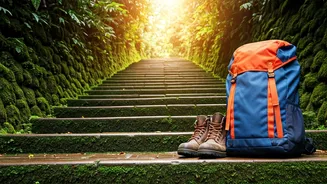
Success during the green season comes down to preparation and attitude. Don't weigh yourself down with heavy-duty rain gear. Instead, pack light, quick-drying clothing (synthetics are better than cotton), a reliable waterproof jacket, and sturdy, non-slip footwear. A waterproof bag or cover for your electronics is also a wise investment. Most importantly, adopt a flexible mindset. A sudden downpour isn’t a disaster; it’s an opportunity to duck into a charming local café and watch the world go by. The dramatic, moody skies make for stunning photos, and the sound of rain on a tin roof while you relax with a book can be one of the most serene moments of your trip. Lean into the experience, and you'll be rewarded with a vacation that’s richer and more memorable than a standard-issue sunny getaway.