


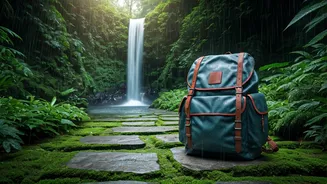
The Philosophy of the Off-Season Traveler
Let's be clear: this isn't about saving a few bucks, though you certainly will. This is a travel philosophy for those who prioritize serenity over a sunburn and authenticity over a perfect, pre-packaged itinerary. While everyone else is fighting for a spot
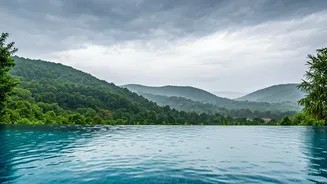
on a crowded beach in July, the monsoon traveler is sipping tea in a quiet cafe, watching a dramatic downpour transform the landscape outside. It’s about trading the guarantee of sunshine for the guarantee of solitude. It requires a bit more flexibility—a trail might be muddy, a ferry might be delayed—but the payoff is a destination that feels like it belongs to you, not to the tourist horde. You experience a place as it truly is: breathing, living, and washing itself clean.
1. Southeast Asia's Emerald Transformation
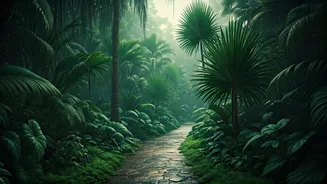
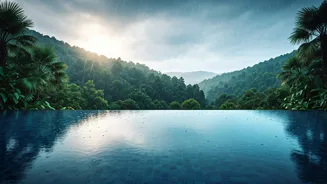
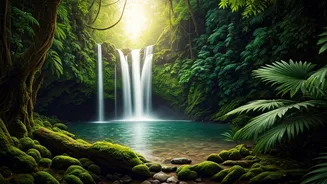
Nowhere is the monsoon’s magic more apparent than in countries like Thailand, Vietnam, or Cambodia. During the “green season” (roughly May to October), the dusty, sun-baked landscapes of the dry months explode into an almost impossibly vibrant emerald. Rice paddies become fluorescent green mirrors reflecting dramatic skies, waterfalls roar back to life, and the air is cleared of haze. Yes, it will rain, but typically in intense, predictable afternoon bursts, not all-day drizzles. This gives you perfect, quiet mornings for exploring temples like Angkor Wat with a fraction of the usual visitors, and lazy, cozy afternoons for a cooking class or a traditional massage. Luxury hotels slash their rates, meaning you can afford that villa with a private plunge pool you’ve been dreaming about.
2. Costa Rica's Lush and Lively "Green Season"
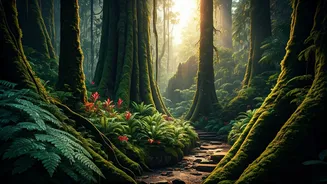
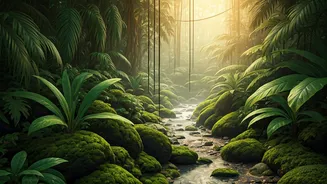
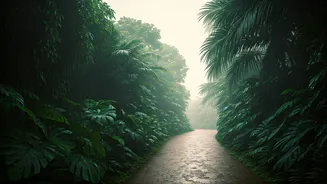
Locals in Costa Rica don't call it the rainy season; they call it the “green season,” and for good reason. From May to November, the entire country becomes a symphony of life. The rain coaxes out wildlife, making it one of the best times for spotting exotic birds, monkeys, and the famous red-eyed tree frogs. The cloud forests of Monteverde become even more mystical, shrouded in a cinematic mist. Rafting and kayaking are at their peak as rivers swell, and surf swells are consistent on the Pacific coast. The crowds are thinner, the pace is slower, and the national motto, *Pura Vida* (pure life), feels more potent than ever. You trade a bit of beach time for a country at its most vibrant and alive.
3. The Dramatic Desert Monsoon of the American Southwest
You don't have to fly across the world for this experience. The North American Monsoon brings a season of spectacular, soul-stirring thunderstorms to the deserts of Arizona and New Mexico from July to September. The experience is profoundly sensory. The air, once dry and hot, becomes thick with humidity. You can smell the approaching storm and the incredible scent of creosote bushes after the rain—a fragrance known as *petrichor*. The sky puts on a daily show of towering cumulonimbus clouds and breathtaking lightning displays against a backdrop of mesas and saguaros. For hikers and photographers, it's a chance to see the desert in a completely different light: wildflowers bloom, canyons get a temporary wash, and the sunsets are legendary. It’s a powerful, elemental escape right in our own backyard.
4. India's Romantic and Rejuvenating Rains
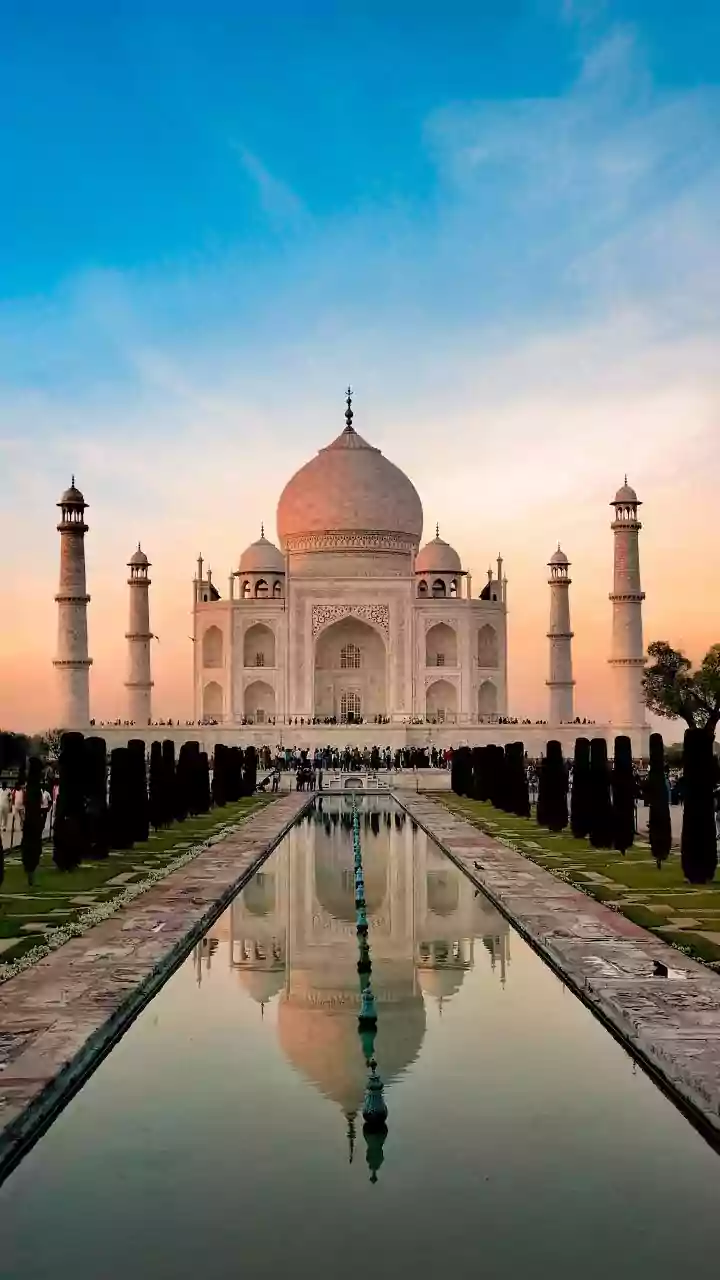
In India, the monsoon isn't an inconvenience; it's a celebrated, life-giving event that has inspired poets and artists for centuries. Traveling here during the rains is to plug directly into the country's cultural and spiritual rhythm. In the southern state of Kerala, the monsoon is considered the best time for Ayurvedic treatments, as the moist, cool air is believed to help the body absorb the therapies. Imagine receiving a restorative treatment while listening to the rain drum on a tiled roof. Further north, the palaces and lakes of Rajasthan take on a moody, romantic quality, with the crowds of winter gone. The experience is less about frantic sightseeing and more about finding a beautiful spot to watch the world get washed anew.