








Answering the Mountains' Call
Tucked away in the northern Indian state of Himachal Pradesh, Parvati Valley has long been a whispered legend among weary city dwellers and seasoned backpackers. This is not a place you stumble upon; it’s a destination you seek. Following the path of the roaring
Parvati River as it carves its way through the Himalayan foothills, the valley is a world away from the gridlocked streets and concrete canyons of modern life. For Americans accustomed to the frantic pace of a 24/7 work culture, the valley offers a radical proposition: the chance to do nothing at all, and to do it somewhere breathtakingly beautiful.
The Journey Is the Decompression
Getting to Parvati Valley is part of the experience, a gradual shedding of the urban skin. The journey, often starting from Delhi, transitions from sprawling plains to winding mountain roads that demand your full attention and respect. As the air grows cooler and cleaner, and the landscape shifts from dusty highways to lush, pine-forested slopes, a sense of decompression sets in. The main hub, Kasol, serves as the gateway. It’s a bustling, bohemian town filled with Israeli bakeries, trekking gear shops, and travelers from every corner of the globe. But the real magic lies just beyond, in the quieter villages and riverside clearings where the true disconnection begins.
Your Riverside Sanctuary
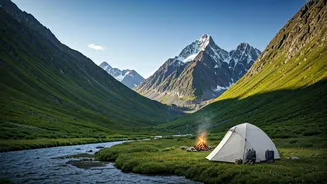
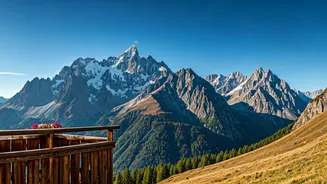
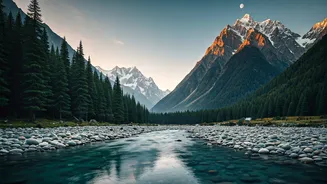
The promise of the valley is delivered in its simplest, most potent form at its riverside camps. These are not luxury resorts, and that’s precisely the point. Accommodations typically consist of sturdy canvas tents, sometimes with a simple cot and a blanket, other times offering a more “glamping” feel with attached washrooms. But the amenities are secondary to the location. Your front porch is a riverbank. Your morning alarm is the sun hitting a snow-capped peak. Your nightly entertainment is a bonfire crackling under a dome of stars so clear and bright you’ll feel like you’re seeing the galaxy for the first time. The constant, soothing sound of the Parvati River becomes the soundtrack to your stay, a natural white noise machine that washes away lingering anxieties and internal chatter. There are no TVs, the Wi-Fi is spotty at best, and your phone becomes little more than a camera.
Embracing a Slower Rhythm
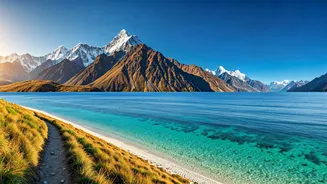
The daily “itinerary” in Parvati Valley is refreshingly empty. Days unfold according to sunlight and appetite, not a schedule. You might spend an entire morning in a hammock with a book and a steaming cup of chai, watching clouds drift across the peaks. Or you could take a leisurely stroll to a neighboring village like Chalal, crossing a rickety but sturdy suspension bridge over the turquoise river. For the more ambitious, longer treks lead to breathtaking destinations like Kheerganga, a meadow at 10,000 feet with a natural hot spring, or the mysterious, ancient village of Malana. But there’s no pressure. The goal isn’t to conquer the valley but to let it absorb you. It’s a place that teaches you the profound difference between being bored and being at peace.