


The End of the Instagram Plant
For a time, our social media feeds were a graveyard of botanical ambition. The Fiddle Leaf Fig, the Calathea orbifolia, the Variegated Monstera—these were the supermodels of the plant world. They were gorgeous, expensive, and notoriously difficult to please.
Brown spots, drooping leaves, and sudden, dramatic deaths became a common, guilt-ridden experience for many well-intentioned plant parents. We bought them for the aesthetic, for that one perfect shot in a sun-drenched living room. But the reality was often a stressful cycle of misting, meticulous watering schedules, and panicked Googling: “Why is my Fiddle Leaf Fig dropping leaves?” The pressure to maintain a flawless, living sculpture was immense, turning a hobby meant to be relaxing into another source of anxiety. The trend was built on an image of perfection, but the experience was often one of failure.
A Shift Toward Real-Life Resilience
So, what changed? We did. The collective pivot toward hardy plants isn't about giving up; it’s about getting real. As our lives have become busier and more complicated, the appeal of a high-maintenance houseplant has plummeted. We’re no longer seeking decor that demands our constant attention. Instead, we’re craving elements in our homes that offer joy without adding to our to-do lists. This shift reflects a broader cultural move away from curated perfection and toward authenticity and sustainability. A plant that can survive a missed watering or a less-than-ideal window placement feels like a partner, not a project. It’s a quiet testament to resilience—something we admire in our homes because we value it in ourselves. We want greenery that lives *with* us, through forgotten vacations and hectic work weeks, not a fragile dependent we’re terrified of disappointing.
Meet the New Unkillable Icons
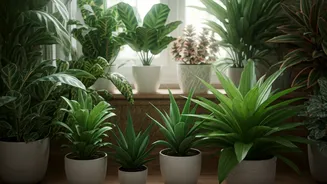
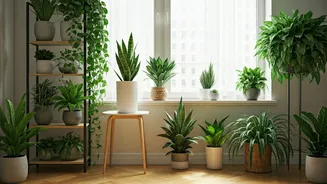
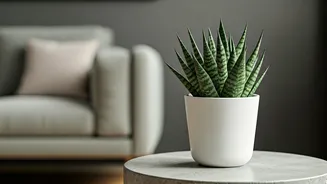
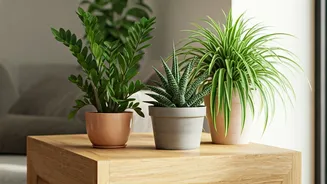
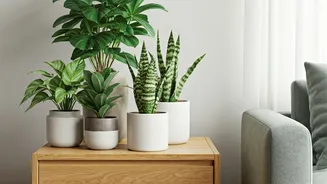
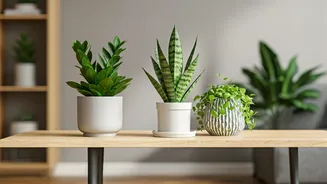
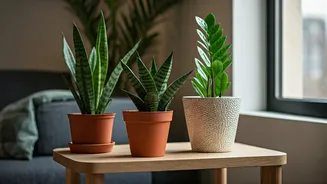
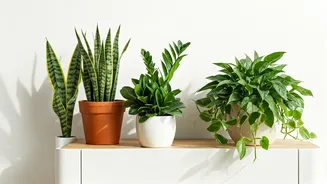
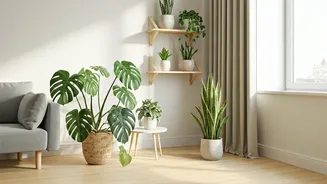
As the fragile stars have faded, a new cast of hardy heroes has taken center stage. These plants are celebrated not for their delicacy, but for their rugged, can-do spirit. First among them is the ZZ Plant (Zamioculcas zamiifolia). With its waxy, dark green leaves and architectural shape, it looks like a high-end sculpture but requires almost no attention. It thrives on neglect, tolerates low light, and is so drought-resistant you can forget you even own it for a month. Then there’s the classic Snake Plant (Dracaena trifasciata), a mid-century modern staple that’s back with a vengeance. It’s a master of survival, happily living in dim corners and purifying the air while it’s at it. Its sharp, upright leaves add a strong vertical element to any room without asking for anything in return. These aren't just plants; they're foolproof confidence boosters for the aspiring green thumb.
The Forgiving Vine That Everyone Loves
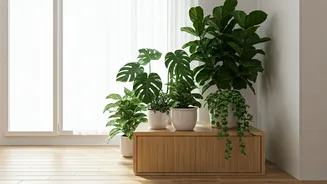
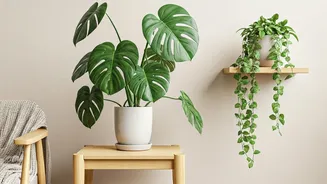
No discussion of hardy plants is complete without mentioning the undisputed champion of beginner-friendly greens: the Pothos (Epipremnum aureum). Available in dozens of varieties, from golden to marble queen to neon, this trailing vine is the definition of gratification. It grows quickly, tells you when it’s thirsty with a gentle droop, and is incredibly easy to propagate—just snip a piece and put it in water. A single Pothos can quickly turn into a dozen, allowing you to fill your home with cascading greenery. Its forgiving nature makes it the perfect teacher. It bounces back from mistakes and rewards minimal effort with lush, vibrant growth. This plant doesn't demand perfection; it celebrates progress, making anyone feel like a successful gardener. It embodies the new ethos: a plant should make you feel good, not guilty.