
Beyond the Buffet
For many Americans, the term “Indian food” has long been a monolith. It conjured a specific, and often delicious, set of dishes: chicken tandoori, palak paneer, samosas. This cuisine, primarily rooted in North Indian, Punjabi traditions, was adapted for
Western palates, often sweetened and toned down. It became the de facto ambassador for a nation of over a billion people and dozens of distinct culinary regions. While these dishes are beloved for a reason, they represent only a tiny fraction of what India has to offer, akin to judging all of American cuisine by a New York slice and a cheeseburger. The richness, complexity, and staggering diversity of the subcontinent’s foodways were largely invisible, hidden behind a familiar, simplified menu. But the era of the one-size-fits-all “curry house” is coming to a close.
A Culinary 'Darshan'
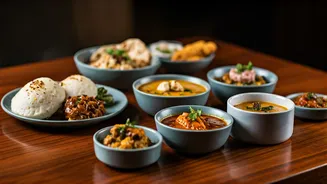
The headline’s term, “India Darshan,” beautifully captures the essence of this new trend. In India, *darshan* is a profound concept. It means “sight” or “vision,” but it implies a reverent, soul-stirring viewing—an audience with a deity, a holy person, or a sacred place. Applying it to dining suggests an experience that goes beyond mere consumption. It’s about seeing, understanding, and connecting with the culture on a deeper level. A multi-regional menu offers a culinary darshan. Each dish is an artifact, a story, a glimpse into the geography, history, and traditions of a specific place. It’s an invitation to take a pilgrimage on a plate, allowing your taste buds to travel from the coastal tropics of Kerala to the Himalayan foothills of Himachal Pradesh, all from a single dinner table.
A Journey Across the Map
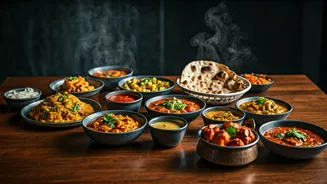
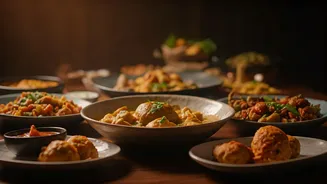
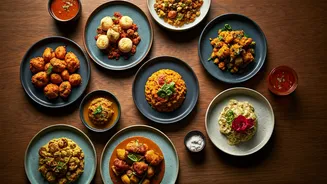
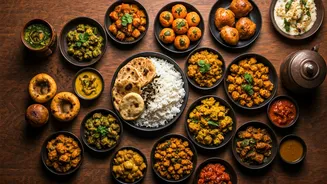
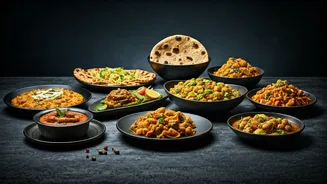
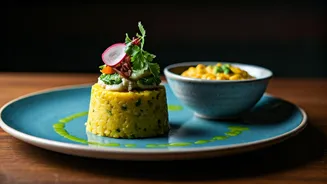
So what does this journey taste like? It’s a departure from the heavy creams of the north into a world of new flavors. You might start in the south with a Kerala-style fish moilee, simmered in a delicate, fragrant coconut milk broth with curry leaves and green chilies. Then, travel west to Goa for a taste of true vindaloo—not the volcanic-hot dish of takeout fame, but a complex, tangy pork stew marinated in vinegar and garlic, a legacy of Portuguese influence. Head east to Bengal, and you’ll find dishes defined by the pungent kick of mustard oil and the subtle sweetness of poppy seeds. A menu might feature macher paturi, where fish is coated in a mustard paste, wrapped in a banana leaf, and steamed. From the vegetarian heartland of Gujarat comes dhokla, a savory steamed lentil cake, and from the once-royal kitchens of Lucknow, you get complex, aromatic biryanis and melt-in-your-mouth kebabs. These are not variations on a theme; they are entirely different culinary languages.
Chefs as Cultural Storytellers
This movement isn't happening in a vacuum. It’s being driven by a new generation of Indian chefs and restaurateurs in America, like Chintan Pandya of New York’s acclaimed Dhamaka and Adda. These chefs are moving beyond assimilation and are instead embracing celebration. They are unapologetically presenting the food of their childhoods, their families, and their specific regions. They are acting as cultural translators and storytellers, confident that diners are ready for more. And they are right. American palates have grown more adventurous, spurred by travel, food media, and a genuine curiosity about authentic global cuisines. Diners are no longer just seeking a meal; they are seeking an experience and a story. Providing a dish from an underserved region, and explaining its origin and significance, fulfills that desire for connection and discovery.