
The End of an Era?
For decades, cold leftovers were a badge of honor—a symbol of efficiency, practicality, and a charming lack of fuss. Think of the college student with a fork in a container of cold lo mein, or the classic trope of eating last night's pizza for breakfast
while standing at the kitchen counter. It was quick, easy, and unapologetic. But a subtle shift is underway. In an era where even weeknight meals are curated for Instagram and a simple bowl of pasta can become a viral sensation, the unceremonious consumption of cold, congealed food is starting to feel less like a life hack and more like a missed opportunity. We're not just eating to refuel; we're seeking small moments of pleasure and comfort. And as it turns out, many of those moments are best served warm.
The Air Fryer and TikTok Effect
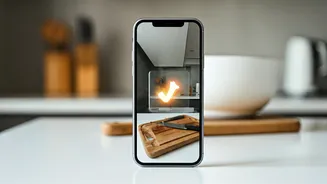
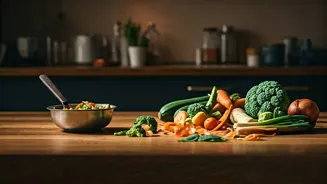
Two cultural forces are largely responsible for this culinary glow-up: technology and social media. First, the air fryer. This countertop marvel has single-handedly revolutionized reheating. It can turn soggy, sad French fries back into crispy delights and give day-old chicken a new lease on life—achievements a microwave can only dream of. Suddenly, reviving leftovers isn't a chore; it's a magic trick that takes five minutes. Then there's TikTok, where 'sad desk lunches' are out and 'upcycled leftovers' are in. A quick scroll reveals countless videos of creators transforming leftover pulled pork into tacos, turning stale bread into gourmet croutons, or reheating pizza on a skillet with a dash of water for a perfectly steamed, crispy crust. This visual culture has raised the bar, making a properly reheated meal not just a preference, but a new standard for savvy home cooks.
A Matter of Taste and Science
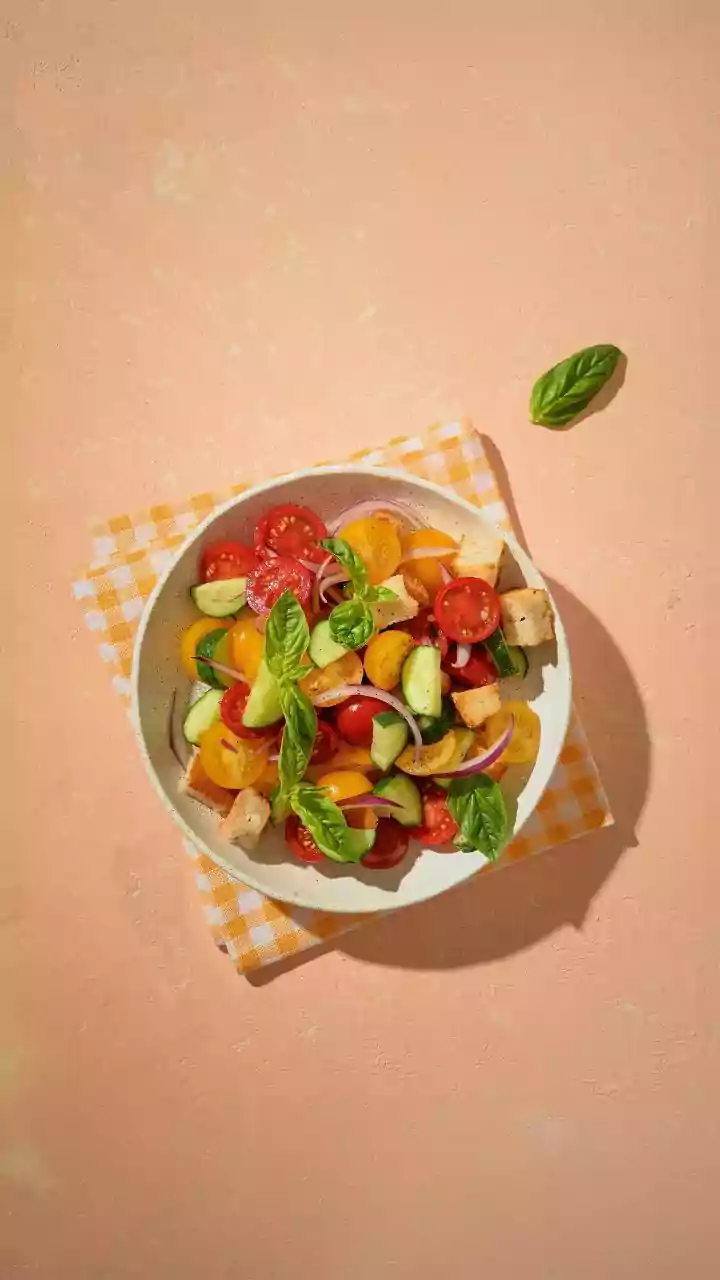
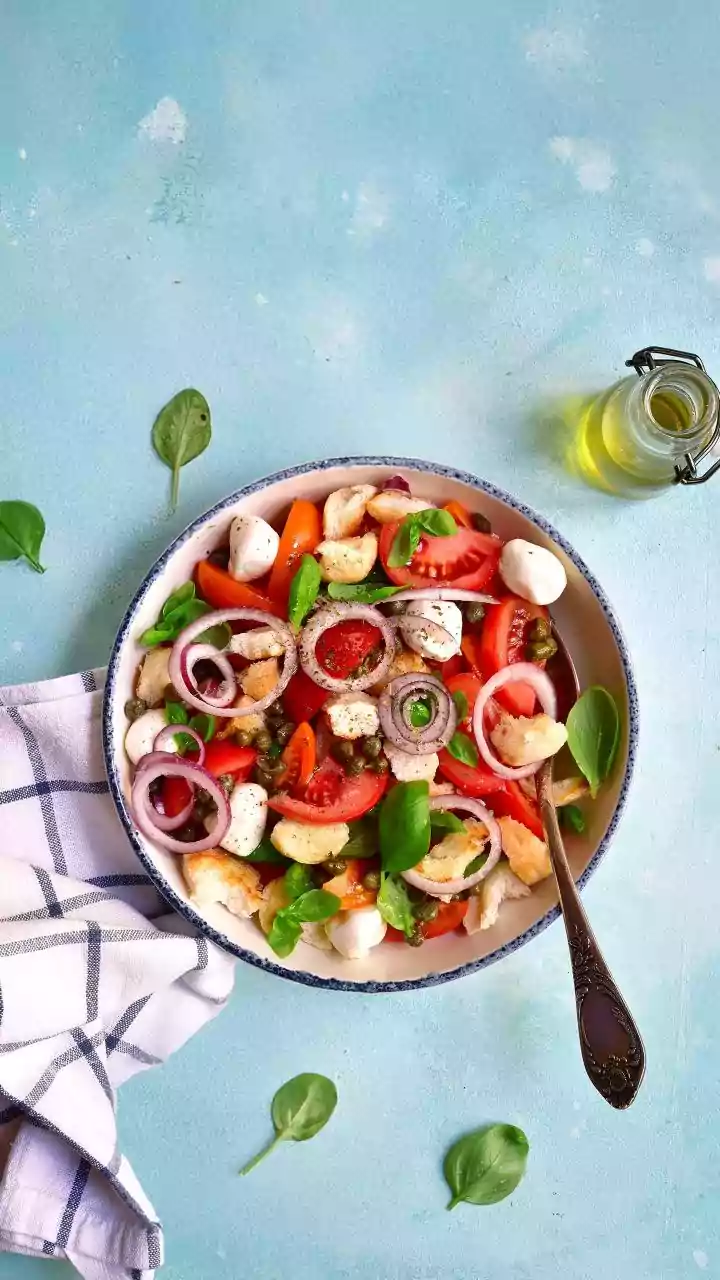
There's a scientific reason why this trend makes sense. Heat does more than just warm your food; it reactivates aromas and transforms textures. Fats, which solidify when cold, melt and redistribute, carrying flavor across your palate. This is why a cold burger is a tragedy but a reheated one (done right) can be nearly as good as the first time. Heat also re-blooms the volatile aromatic compounds that are responsible for much of what we perceive as taste. That fragrant curry or garlicky pasta is simply more itself when warm. Of course, this isn't a universal rule. Some things are genuinely delicious cold. A slice of leftover cheesecake, a crisp vegetable salad, or a classic pasta salad are designed to be enjoyed chilled. The key is intentionality—understanding which foods benefit from a little heat and which are perfect as they are.
The Food Safety Factor
Beyond taste, there's a practical safety element to consider. While many cooked foods are safe to eat cold, the USDA recommends reheating all leftovers to an internal temperature of 165°F to kill any potentially harmful bacteria that may have grown during storage. This is especially important for things like poultry, casseroles, and soups. Zapping something in the microwave until it's lukewarm might not be enough to reach this safety threshold uniformly. Taking the extra time to reheat leftovers properly on the stove, in the oven, or in an air fryer not only improves the meal's flavor and texture but also provides peace of mind. It’s a simple step that ensures your delicious day-old meal is also a safe one, turning your effort to reduce food waste into a win-win.