


More Than Just Tiny Plants
First, what exactly are microgreens? They’re not sprouts. Rather, they are the young seedlings of edible vegetables and herbs, harvested just after the first true leaves have developed. Think of them as the baby stage between a sprout and a full-grown
plant. This stage is a nutritional powerhouse. Because they are harvested at their peak growth spurt, microgreens are densely packed with vitamins, minerals, and antioxidants—often containing higher concentrations of these nutrients than their mature counterparts. For a pet, this translates into a potent, fresh, and natural supplement that’s easy to grow in the smallest of urban spaces.
The Nutritional & Enrichment Boost
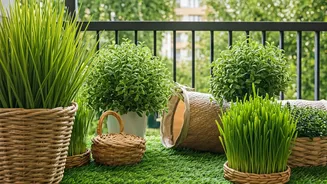
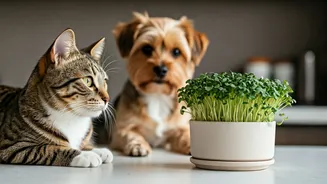
So, how does this “upgrade” a pet’s diet? In several key ways. For one, microgreens provide a burst of fresh vitamins (like K, C, and E) and fiber, which can support healthy digestion. The high water content also helps with hydration, a common concern for pets on a dry-kibble diet. Beyond pure nutrition, these tiny greens offer crucial enrichment. For indoor cats, a small patch of oat or wheatgrass provides a safe and satisfying way to indulge their natural instinct to chew on plants, redirecting them from potentially toxic houseplants. For both dogs and cats, the novel texture and fresh taste can combat mealtime boredom and act as a healthy, low-calorie treat or food topper.
Pet-Safe Greens: The Yes List
Not all greens are created equal, and pet safety is paramount. When choosing seeds, stick to a list of known, non-toxic plants. Great choices for both cats and dogs include: * **Oat grass, wheatgrass, and barley grass:** Often sold as “cat grass,” these are rich in fiber and generally very safe and easy to digest. * **Broccoli microgreens:** A fantastic source of sulforaphane and other antioxidants. * **Sunflower microgreens:** Mildly sweet and packed with nutrients, they are a favorite for many pets. * **Flax and chia microgreens:** Offer a source of omega-3 fatty acids. * **Alfalfa:** A classic choice, rich in vitamins and minerals. Crucially, **AVOID** anything in the onion or chive family, as well as microgreens from plants whose mature forms are toxic, like tomato or pepper plants. When in doubt, consult the ASPCA’s list of toxic plants or ask your vet.
Your Windowsill Farm: A Simple Start
You don’t need a green thumb or a backyard to become a pet-pasture farmer. Growing microgreens is incredibly simple. All you need is a shallow tray (a takeout container with holes poked in the bottom works well), some soil (coconut coir is a clean, easy option), seeds, and a sunny windowsill. 1. **Prep Your Tray:** Fill your tray with about an inch of moist soil. 2. **Sow Your Seeds:** Sprinkle your chosen seeds evenly and densely across the soil surface. Gently press them into the soil. 3. **Cover & Wait:** Lightly mist with water and cover the tray for 2-3 days to encourage germination. Keep the soil moist, not waterlogged. 4. **Find the Light:** Once seeds sprout, uncover them and place the tray in a spot with indirect sunlight. 5. **Harvest Time:** In about 7-14 days, your microgreens will be a few inches tall. Harvest them with scissors, cutting just above the soil line.
Serving Suggestions for Picky Pets
Some pets will dive right in, while others might be more skeptical. For cats, simply leaving a small pot of cat grass out for them to graze on is often enough. For dogs or more discerning felines, start small. Finely chop the microgreens and mix a tiny amount (less than a teaspoon) into their regular wet or dry food. The fresh scent can entice them, and mixing it in makes it harder for them to eat around it. You can also use the greens as a high-value training treat. The goal is to introduce it as a pleasant addition, not a dietary overhaul.