



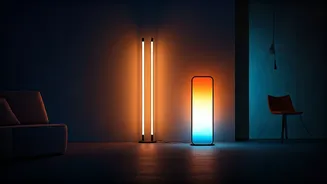


From Decor to Daily Health
For decades, we’ve thought about lighting in terms of style. We agonized over the perfect mid-century chandelier or the ideal reading lamp for a cozy nook. Those things still matter, but a new, more profound conversation is taking over. The new “flex”
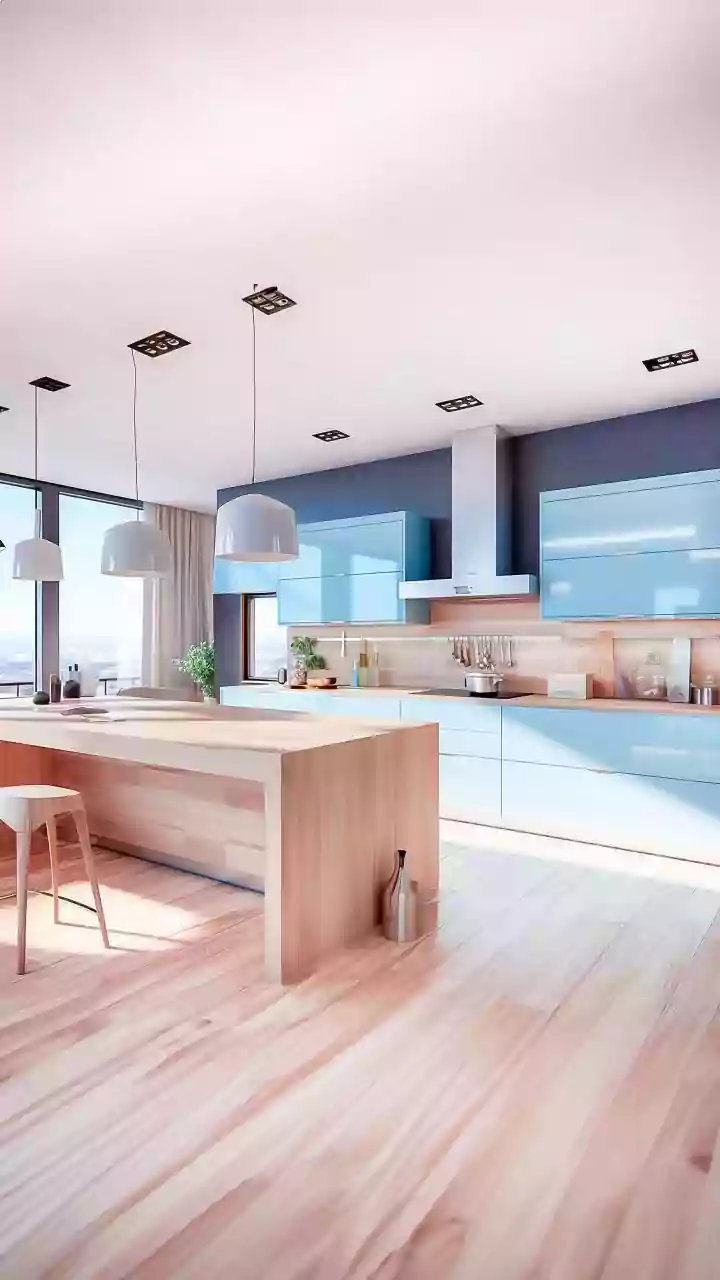
isn’t about owning a designer fixture; it’s about curating the quality and timing of light itself. This movement, often called human-centric lighting, reframes light as a fundamental pillar of health, right alongside diet, exercise, and sleep. It’s the understanding that the light we’re exposed to inside our homes directly impacts our energy, mood, and ability to rest. Suddenly, that harsh overhead kitchen light isn't just unflattering; it's a potential disruptor to your body's natural rhythm.
Hacking Your Internal Body Clock
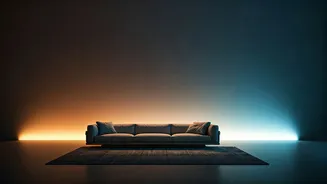
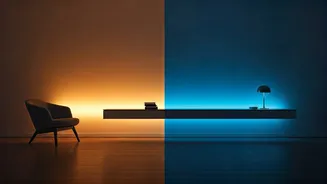
The science behind this trend is centered on our circadian rhythm—the 24-hour internal clock that regulates our sleep-wake cycle. This clock is primarily synced by light. Bright, blue-toned light (like the morning sun) signals to our brain that it’s time to be alert and productive by suppressing melatonin, the sleep hormone. Conversely, dim, warm-toned light (like a sunset or firelight) allows melatonin production to increase, preparing the body for rest. The problem? Modern life has thrown this system into chaos. We spend our days in dimly lit offices and our nights staring at blue-light-emitting screens, effectively telling our brains it’s midday at 10 p.m. The result is poor sleep, daytime grogginess, and even mood swings. Wellness-focused lighting design is simply a conscious effort to realign our indoor environment with this natural, essential cycle.
Practical Ways to Tune Your Light
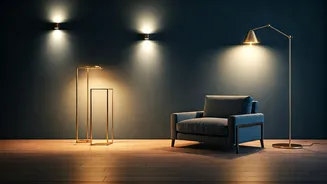
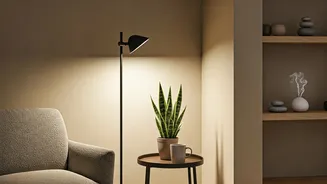
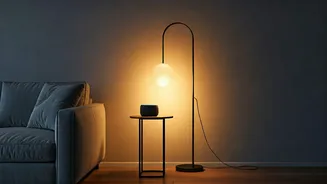
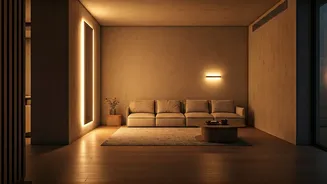
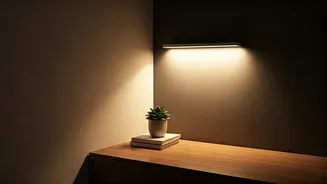
Getting your home’s lighting right doesn’t require an electrical engineering degree. It’s about being intentional. The first rule is layering. Every room should have three types of light: ambient (general overhead), task (focused light for activities like reading or cooking), and accent (to highlight art or architectural features). This combination gives you flexibility. The second, and most crucial, upgrade is installing dimmers. Dimmers are the single most effective tool for managing light intensity throughout the day. A brightly lit kitchen is great for cooking dinner, but that same light should be dimmed down to a warm glow as you wind down for the evening. Finally, pay attention to the bulbs themselves. Look for the color temperature, measured in Kelvins (K). Aim for bulbs around 2700K for evening and living spaces to mimic a warm, cozy sunset. Higher Kelvin bulbs (4000K+) can be used in workspaces or bathrooms where you need bright, energizing light in the morning.
Start Small for a Big Impact
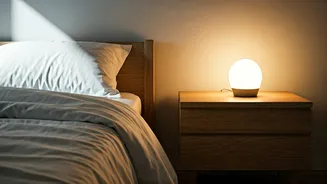
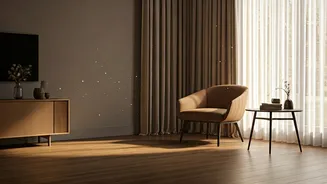
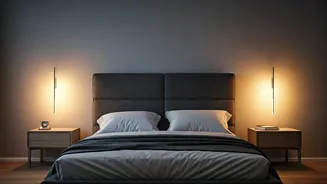
While fully automated, circadian-rhythm-mimicking smart home systems are the ultimate expression of this trend, you don’t need to spend a fortune to see benefits. The easiest place to start is the bedroom. Swap your bedside lamp bulb for a dimmable, warm-tone smart bulb (around $15–$25). You can program it to dim gradually in the evening or use it with a wake-up light that simulates the sunrise, gently rousing you from sleep instead of jolting you awake with a blaring alarm. Another free habit is to maximize natural light. Open your curtains first thing in the morning to let in that crucial daylight. Take a 10-minute walk outside after lunch. These small, deliberate actions help anchor your internal clock, and when combined with more mindful use of artificial light in the evening, they can make a tangible difference in how you feel.