


The Science of 'Cooling' Foods
Before we dive into the regional specialties, let's get one thing straight: we're not talking about foods that are physically cold. While a popsicle is great, the concept of a “cooling food” runs deeper. Some foods help by promoting perspiration, the body's
natural air conditioning system. Others contain compounds that trick our brains into feeling a cool sensation. And many are simply high in water content, which aids hydration and helps regulate body temperature from the inside out. This isn't just folklore; it's a mix of biology and long-standing cultural wisdom. These edible hacks are about working with your body, not just against the thermometer.
The Southwest: Fight Fire with Fire
It might sound completely backward, but in places like Arizona and New Mexico, one of the best ways to cool down is to eat something spicy. Think green chile stew or a mango paleta dusted with chili powder. Here’s the trick: the capsaicin in chili peppers triggers the same nerve receptors in your mouth that detect heat. Your brain gets the signal that you're overheating and flips on the cooling system. You start to sweat, and as that sweat evaporates from your skin, you feel an immediate and lasting sense of relief. It’s a brilliant, counterintuitive strategy that locals have perfected over generations.
The South: The Mint Julep Method
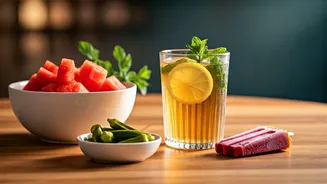
Nothing says “Southern porch in August” quite like a sweating glass of Mint Julep. While the bourbon has its own... effects, the real cooling power comes from the mint. Mint leaves are packed with menthol, a compound that binds to a specific protein on our nerve cells called TRPM8—the same receptor that senses cold temperatures. When you sip a mint-infused drink or chew on a leaf, the menthol tricks those receptors, sending a 'cold' signal to your brain. Your mouth feels cool and refreshed, even if the drink itself is just cellar-cool. It’s a sensory illusion, but on a sweltering day in Savannah or Louisville, it feels wonderfully real.
The Northeast: The Water Ice Tradition
In the dense, humid cities of the Northeast, particularly Philadelphia and its surrounding areas, summer survival often involves a trip for 'water ice' (pronounced 'wooder ice'). It’s not a snow cone, and it’s definitely not ice cream. It's a hyper-smooth, dairy-free frozen treat made from fruit puree or syrup, sugar, and water, churned to an almost creamy consistency. The secret is its simplicity and massive water content. It provides instant cooling from its temperature while also delivering much-needed hydration. It’s light, not heavy with fat like ice cream, so it doesn't weigh you down, making it the perfect antidote to a sticky, 95-degree day on the asphalt.
The Midwest: The Cucumber Salad Cure
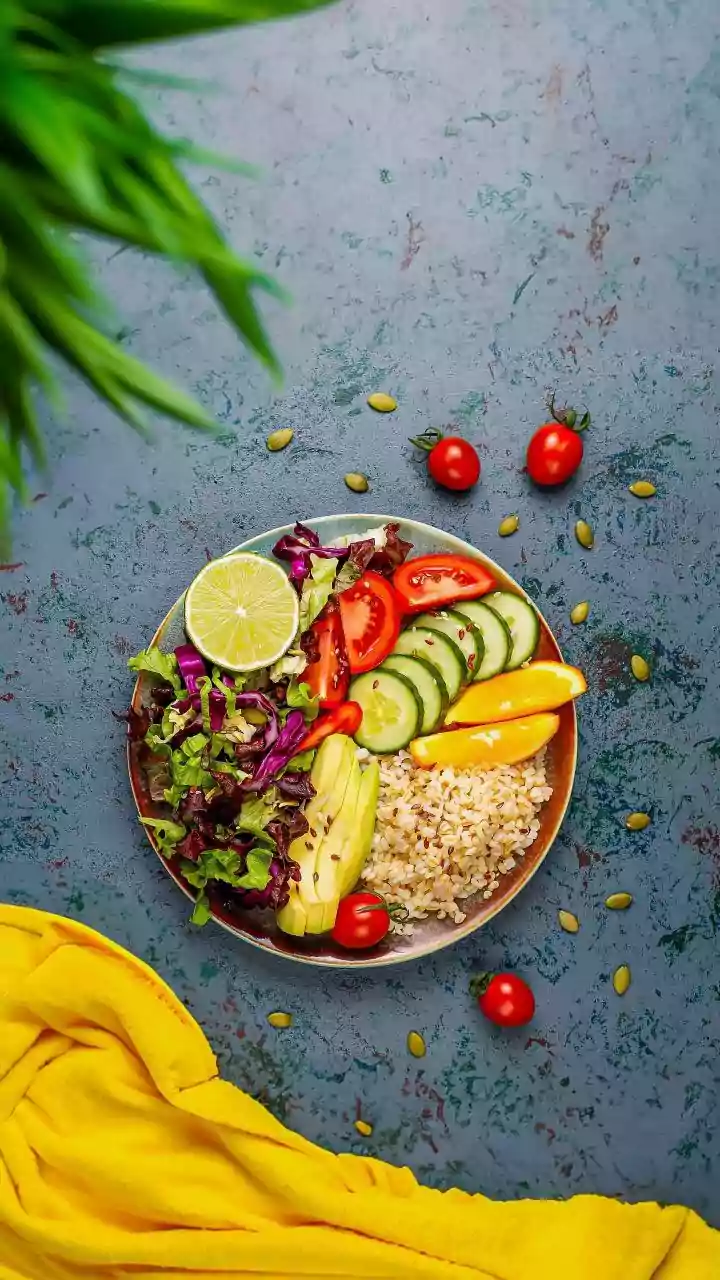
In the heartland, summer cooking is often about simplicity, gardens, and potlucks. Enter the classic cucumber and onion salad. Found on picnic tables from Ohio to Iowa, this dish is a masterclass in understated cooling. Cucumbers are over 95% water, making them one of the most hydrating foods you can eat. They replenish fluids lost to sweat and have a naturally crisp, cool texture. Often dressed in a light vinegar-based marinade, the salad is refreshing and doesn't require turning on a stove. It’s the kind of sensible, effective solution that reflects the practical nature of the region—a simple, garden-fresh way to take the edge off a humid summer afternoon.