



What Exactly Is Functional Fitness?
Think of the last time you were at the gym. You probably saw people isolating specific muscles: doing bicep curls, leg extensions, or calf raises. That's traditional strength training. Functional fitness takes a different approach. Instead of focusing
on one muscle at a time, it trains your body for the types of movements you perform in your actual life. It’s a training philosophy built around compound exercises that engage multiple muscle groups and joints simultaneously. The goal isn't just to build bigger muscles; it's to improve the way your body works as a single, coordinated system. It asks: what do you need your body to *do* all day? Then it prepares you for exactly that.
Training for the 'Sport of Life'
Unless you're a competitive bodybuilder, the main event you're training for is life itself. Functional fitness treats daily activities as a sport. Carrying your toddler, hoisting a suitcase into an overhead bin, gardening for an afternoon, or even just getting up from a low chair are all physical performances that require strength, stability, and mobility. A squat, for example, isn't just about your quads. It's the exact movement you use to pick something heavy off the floor or sit down and stand up. A farmer's walk, where you carry heavy weights in each hand, directly simulates carrying two heavy grocery bags from the car. By practicing these integrated movements in a controlled setting, you're building a more capable, resilient body that can handle real-world physical stress without breaking down.
How It Reduces Injury Risk
The headline's claim is bold, but there’s a strong principle behind it. Injuries often happen when a load exceeds a muscle or joint's capacity, or when your body compensates for a weak area by putting strain on another. Functional training addresses this by strengthening entire movement patterns, not just isolated muscles. When you correctly perform a deadlift, for instance, you're not just working your hamstrings. You're training your glutes, core, and back to work together to lift safely from the hips, protecting your vulnerable lower back. This creates what physical therapists call 'pre-hab'—proactive conditioning that makes you less susceptible to injury in the first place. You're building neuromuscular coordination, teaching your brain and muscles to fire in the right sequence to perform a task efficiently and safely. A stable core, mobile hips, and strong posterior chain—all hallmarks of functional training—are your body's best defense against the pulls, strains, and sprains of daily life.
Putting It Into Practice
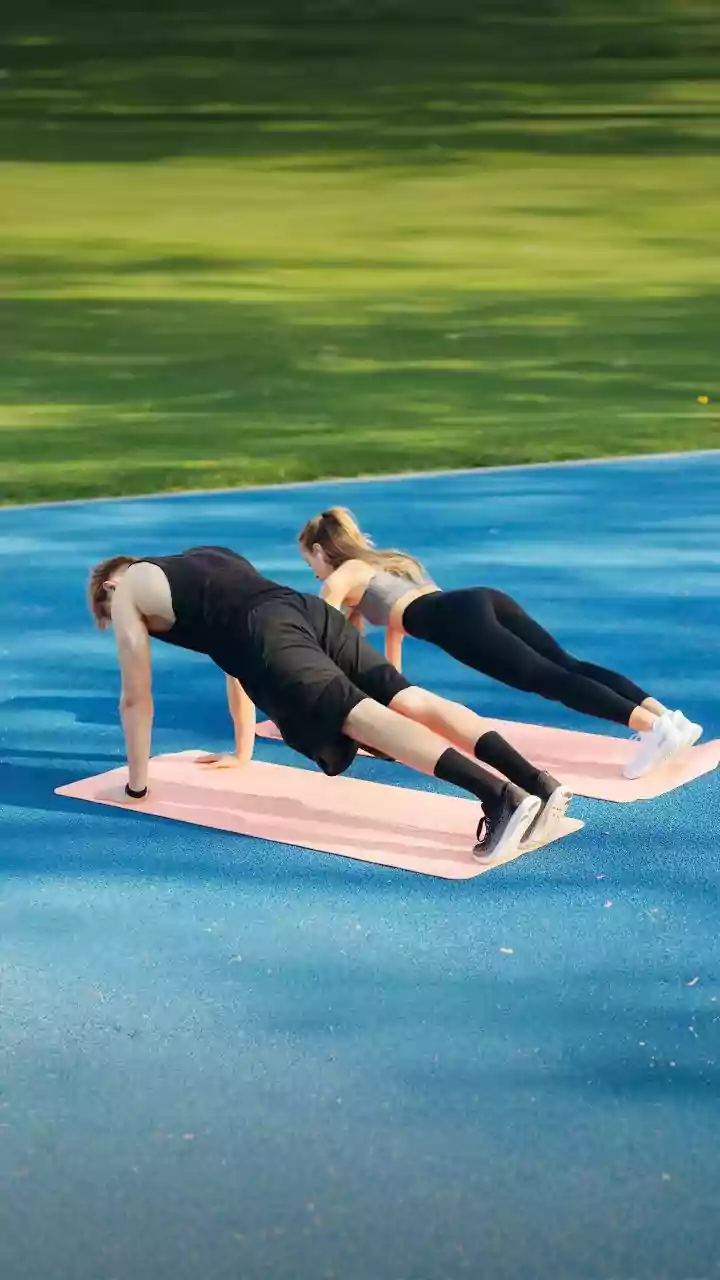
You don't need a specialized gym to get started. Many functional exercises use your body weight or simple equipment like kettlebells and dumbbells. The key is to focus on form and control. Some classic examples include: - **Goblet Squats:** Holding a weight at your chest while squatting reinforces an upright posture and strong core, perfect for lifting objects off the ground. - **Lunges:** This single-leg movement improves balance and stability, crucial for everything from walking on uneven ground to climbing stairs. - **Push-ups:** A full-body exercise that builds chest, shoulder, and arm strength while demanding intense core stabilization. - **Farmer's Walks:** As mentioned, this simple exercise builds grip strength, shoulder stability, and core endurance for carrying any heavy load. By incorporating these types of multi-joint movements, you shift the focus from how your body looks to how it performs, building a foundation of strength that serves you long after you've left the gym.