



More Than a Pet, They're Family
The foundational shift driving this trend is the 'humanization' of pets. For many Millennials and especially Gen Zers, pets aren’t just animals; they are family members. They are 'fur babies,' emotional support companions, and, for a generation delaying
traditional milestones like marriage and homeownership, a central part of their domestic lives. This emotional upgrade comes with a new standard of care. If you wouldn't feed your child questionable, highly-processed ingredients, why would you feed them to your dog or cat? This mindset, often called 'pet parenting,' frames purchasing decisions. It transforms a simple bag of kibble from a commodity into a crucial wellness product. It's the difference between 'feeding the dog' and 'providing nourishing fuel for a cherished family member.' This emotional investment justifies a higher price point and a much more involved decision-making process.
The Wellness Wave Hits the Food Bowl
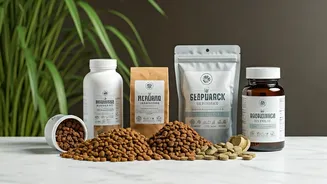
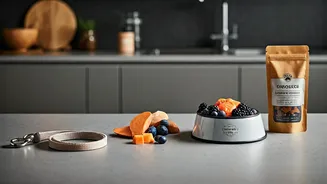
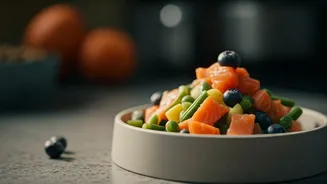
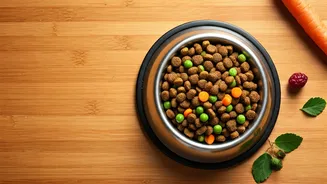
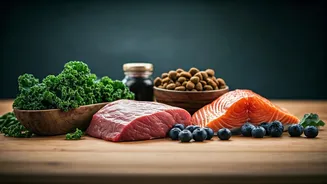
Gen Z grew up in the thick of the wellness movement. They are fluent in the language of clean eating, organic ingredients, gut health, and personalized nutrition. They track their macros, read labels for artificial additives, and prioritize whole foods. It was only a matter of time before this hyper-awareness trickled down to their pets. The same questions they ask about their own food are now being asked of pet food brands: Is it minimally processed? Are the ingredients sourced ethically? Does it contain fillers like corn and soy, or is it packed with nutrient-dense superfoods like blueberries and kale? This has created a massive opening for brands offering 'human-grade' meals. Companies delivering pre-portioned, fresh meals made from restaurant-quality ingredients are resonating deeply with a demographic that already understands and values the 'you are what you eat' philosophy.
Reading the Label, Demanding the Truth
As digital natives, Gen Z is uniquely equipped to hold brands accountable. They are masters of the pre-purchase investigation, diving into online reviews, scanning social media for red flags, and fact-checking marketing claims. They have little patience for brands that aren't transparent about their ingredients, sourcing, and manufacturing processes. A vague label that just says 'meat by-products' won’t cut it anymore. Today's pet parents want to know exactly what kind of meat, where it came from, and how it was prepared. This demand for transparency extends to corporate ethics. Is the packaging sustainable? Does the company have a good environmental track record? This level of scrutiny is forcing the entire industry to clean up its act, both in what goes into the food and how it's presented to the consumer.
Shaking Up a Multi-Billion Dollar Industry
The market impact of this generational shift is undeniable. A wave of direct-to-consumer (DTC) startups like The Farmer’s Dog, Ollie, and Nom Nom has exploded in popularity by catering specifically to these values. They offer subscription-based models delivering fresh, customized meals directly to the customer’s door, cutting out the traditional pet store entirely. Their marketing is slick, their messaging is focused on health and love, and they’ve built communities of devoted fans. In response, legacy giants like Purina and Blue Buffalo are scrambling to keep up. They are launching their own premium, natural, and fresh food lines, acquiring smaller, health-focused brands, and overhauling their marketing to emphasize transparency and quality. What used to be a niche corner of the pet food aisle—the expensive, organic stuff—is quickly becoming the main event.