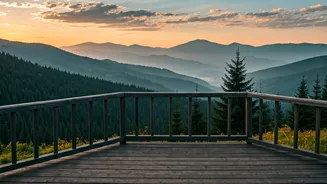



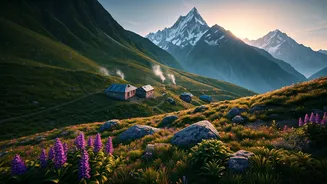
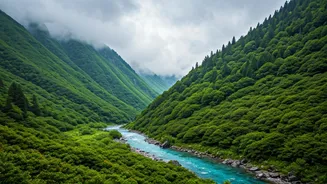
First Off, What Is a Hill Station?
Imagine it’s the 1850s. You’re a British administrator in Delhi, and the summer temperature is pushing 115°F. The heat is not just uncomfortable; it’s debilitating. What do you do? You look to the mountains. The British Raj, seeking refuge from the plains'
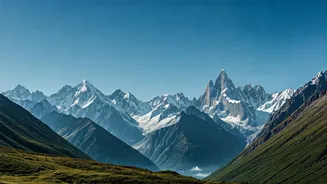
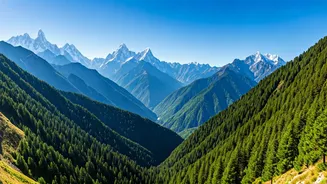
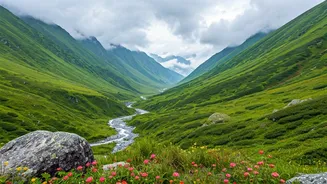
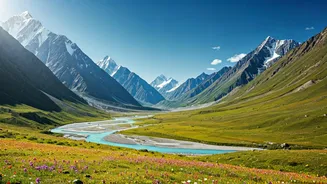
oppressive summer, established “hill stations”—high-altitude towns in the Himalayan foothills or the Western Ghats. Places like Shimla, Darjeeling, and Ooty were developed with European-style cottages, churches, and social clubs, becoming seasonal capitals and resorts. They were meticulously designed escapes, built to replicate a cooler, more familiar English climate. This colonial-era infrastructure created a network of mountain retreats that, over a century later, still serves the same fundamental purpose: beating the heat.
This Year's Unbearable Heat
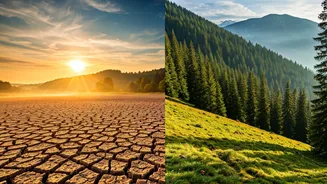
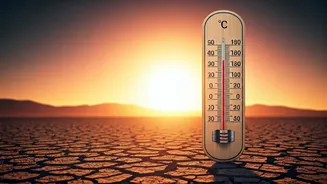
The reason for this year's massive travel surge isn't just a desire for a pleasant vacation; it's a desperate need for survival. May and June 2024 have seen some of the most brutal, prolonged heatwaves in India's history. Major metropolitan areas like Delhi and Mumbai have sweltered under temperatures consistently topping 110°F, combined with stifling humidity and power outages. For tens of millions living in the urban heat island, daily life has become an endurance test. Schools have closed, outdoor work has become hazardous, and air conditioners are running nonstop. This isn't just a mood-killer; it’s a public health crisis. The psychological and physical toll of the extreme heat has created an unprecedented push factor, turning the idea of a mountain getaway from a luxury into a necessity for anyone who can afford it.
The Great Uphill Migration
The result has been a frantic, nationwide scramble for higher ground. Travel booking platforms and tourism boards report that hill stations are overwhelmingly the most sought-after destinations. Destinations in states like Himachal Pradesh (home to Shimla and Manali) and Uttarakhand (Nainital, Mussoorie) are seeing occupancy rates soar past 90%. This isn’t a gentle trickle of tourists; it’s a deluge. The highways leading up to these mountain towns have been choked with miles-long traffic jams, turning a six-hour drive into a 12-hour ordeal. Flights to the nearest airports are sold out. It’s a mass migration fueled by social media posts of misty mountains and cool breezes, a stark contrast to the sun-baked concrete jungles left behind. For India’s burgeoning middle class, the annual trip to a hill station is becoming a non-negotiable part of the summer.
Paradise Under Pressure
While hill stations are “saving” the travel mood for visitors, the influx is pushing these fragile mountain ecosystems to their limits. These towns, many built for a few thousand residents, are now struggling to cope with hundreds of thousands of tourists. The most immediate crisis is water. Ironically, visitors fleeing the parched plains are arriving in mountain towns that are themselves facing acute water shortages. The strain on local infrastructure is immense, with garbage piling up and sewage systems overwhelmed. The very charm that people seek—tranquil, green, and clean—is being threatened by the sheer volume of the escapees. Local residents and environmentalists warn that this model of crisis-driven tourism is unsustainable, turning these idyllic retreats into overcrowded, stressed-out extensions of the cities people are trying to escape.