







From Coating to Rebuilding
The haircare aisle used to be a sea of products promising to smooth, silken, and add shine. Most traditional conditioners and masks work by coating the hair shaft with silicones or oils. This creates a temporary illusion of health by sealing the cuticle,
reducing frizz, and making hair feel soft to the touch. It’s an effective cosmetic fix, but it’s like putting a fresh coat of paint on a crumbling wall—it looks better, but the underlying structural issues remain. The new approach, however, is less about spackling over imperfections and more about rebuilding the foundation. The conversation has shifted from surface-level aesthetics to molecular-level repair. This change is driven by a more educated consumer who wants to know *how* a product works, not just that it does. We’ve moved past vague promises of “revitalization” and into an era where ingredient lists and scientific claims are front and center.
Your Scalp Is the New Skincare
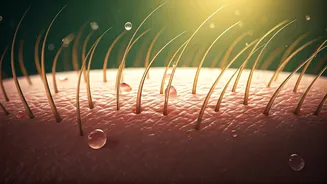
Perhaps the biggest part of this shift is what experts call the “skinification” of hair. The simple but revolutionary idea is that the scalp is skin, and healthy hair can only grow from a healthy scalp. For too long, we’ve treated our scalp as an afterthought, blasting it with harsh detergents in shampoos and clogging it with product buildup. Now, the industry is applying the principles of sophisticated skincare to the skin on our heads. This means you’re seeing scalp serums, exfoliants, and masks formulated with ingredients once reserved for your face: hyaluronic acid for hydration, salicylic acid for exfoliation and to control oil, and niacinamide to support the skin barrier. Just as you wouldn't expect a thriving garden from depleted soil, you can't expect healthy hair from an inflamed, congested, or dry scalp. Stylists now emphasize scalp care as the non-negotiable first step in any hair routine, encouraging clients to treat it with the same diligence they give their complexions.
Decoding 'Bond-Building'
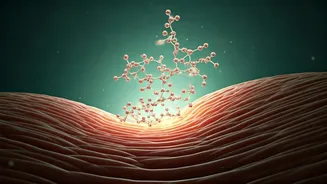
The other pillar of this haircare revolution is the boom in “bond-building” technology. This trend, kicked off by the meteoric rise of Olaplex and now followed by brands like K18, Living Proof, and Redken, focuses on repairing hair from the inside out. To put it simply, our hair’s strength and elasticity come from millions of internal bonds, primarily disulfide bonds. When we color, heat-style, or even vigorously brush our hair, these bonds break, leading to damage, split ends, and brittleness. Bond-building products contain patented molecules or peptide technologies designed to penetrate the hair cortex and actively repair these broken bonds. Think of it like a zipper: when teeth are missing or misaligned, the zipper won't close properly. Bond-builders act like a microscopic repair crew, relinking the broken chains to restore the hair’s internal integrity. This is a dramatic departure from treatments that just patch up the exterior. It’s a genuine attempt at structural rehabilitation, which is why the results are often so transformative and long-lasting.
What This Means for Your Routine
So, how does this high-tech shift translate to your bathroom shelf? It doesn’t mean you need a ten-step, lab-coat-required routine. Rather, it’s about a change in mindset. Instead of chasing a quick fix for split ends, the focus is on proactive health. It’s about choosing a scalp-friendly shampoo, incorporating a weekly bond-repairing treatment if you have damage from color or heat, and protecting the hair you’ve worked so hard to get healthy. This new era empowers you to be a more discerning consumer. You can look at an ingredient list and understand that a scalp scrub with glycolic acid isn’t a gimmick but a tool for follicular health. You can invest in a bond-builder knowing it’s working on the very structure of your hair, not just its appearance. The ultimate goal is resilience—hair that can better withstand daily stressors because its foundation, from root to tip, is fundamentally strong.