

The Grains You've Probably Never Heard Of
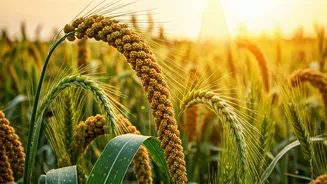
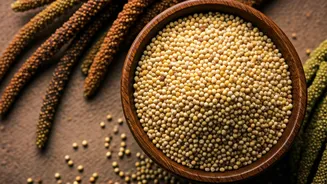
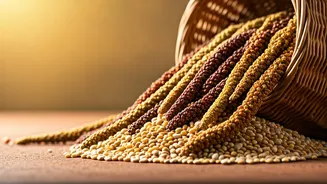
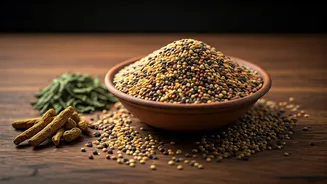
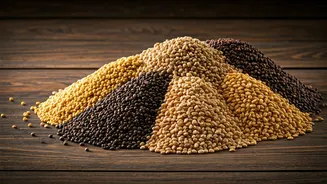
Before you picture a single type of grain, think of millets as a family—a diverse group of small-seeded grasses that includes varieties like sorghum (jowar), pearl millet (bajra), and finger millet (ragi). For thousands of years, these were the bedrock
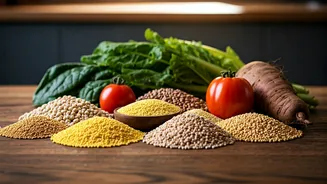
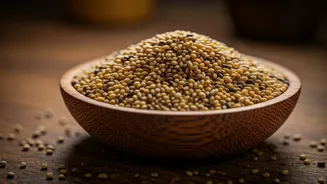
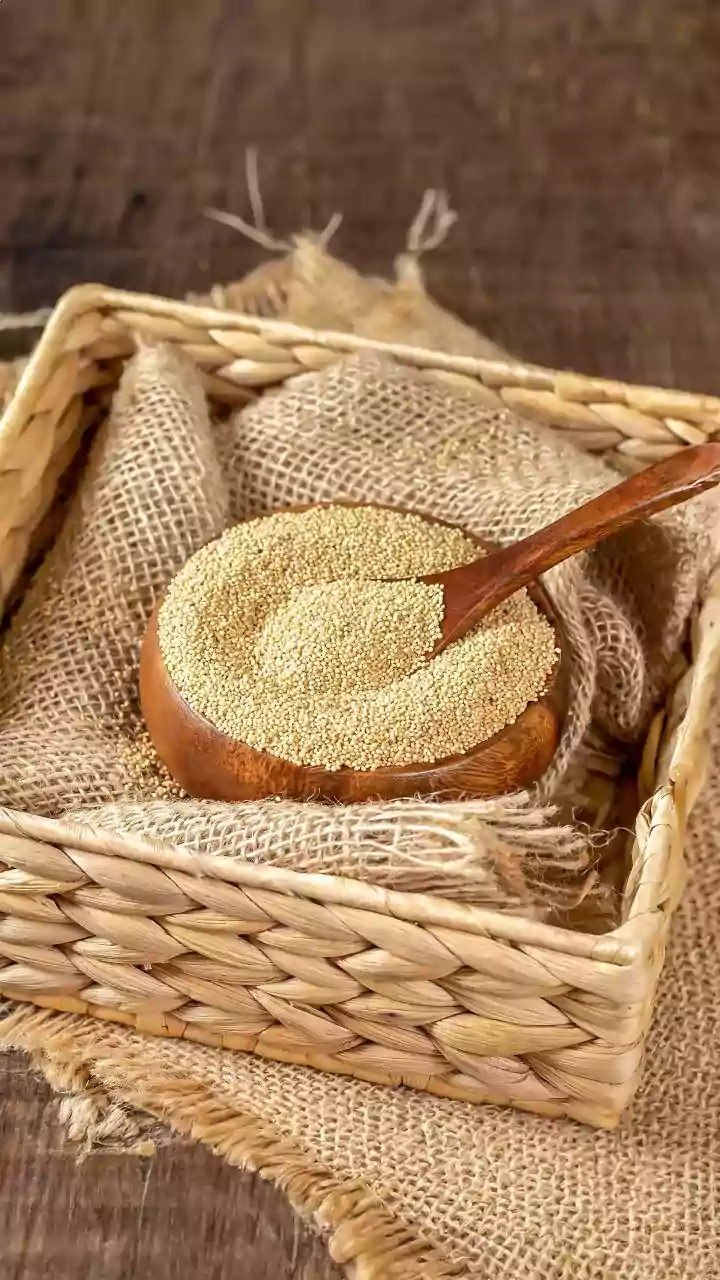
of the Indian diet, long before wheat and rice took center stage. They are nutty, versatile, and packed with nutrients. Unlike the more processed grains that dominate the modern American pantry, millets have a rustic heartiness. They can be ground into flour for flatbreads, cooked whole like quinoa or rice, or popped like corn. They were the original, everyday superfoods, consumed by everyone from kings to commoners.
From Staple to Sidelined
So, if millets were so great, where did they go? Their decline can be traced back to the 1960s and the Green Revolution. This massive agricultural initiative successfully boosted India’s food production by promoting high-yield varieties of wheat and rice. It was a critical step in combating famine, but it came with an unintended consequence: millets were pushed to the margins. Government subsidies, irrigation projects, and public distribution systems all favored wheat and rice. Millets, which thrive in arid conditions with little intervention, were suddenly seen as “poor person’s food” or coarse grains, unfit for a modernizing nation. As India’s urban middle class grew, so did the preference for refined wheat rotis and polished white rice, leaving the country’s indigenous grains behind.
A Modern Superfood Revival
Now, the pendulum is swinging back, and for a few very good reasons. The Indian government, recognizing the nutritional and environmental benefits, has launched a massive campaign to bring millets back, even championing the UN’s declaration of 2023 as the “International Year of Millets.” Health-conscious consumers are a major driving force. Millets are gluten-free, high in fiber and protein, and have a low glycemic index, making them ideal for managing diabetes and promoting gut health—all major selling points in today’s wellness-obsessed world. This convergence of government push and consumer pull has created the perfect environment for a millet renaissance. They are no longer just a forgotten staple but a celebrated solution to modern dietary and health challenges.
On the Plate Today
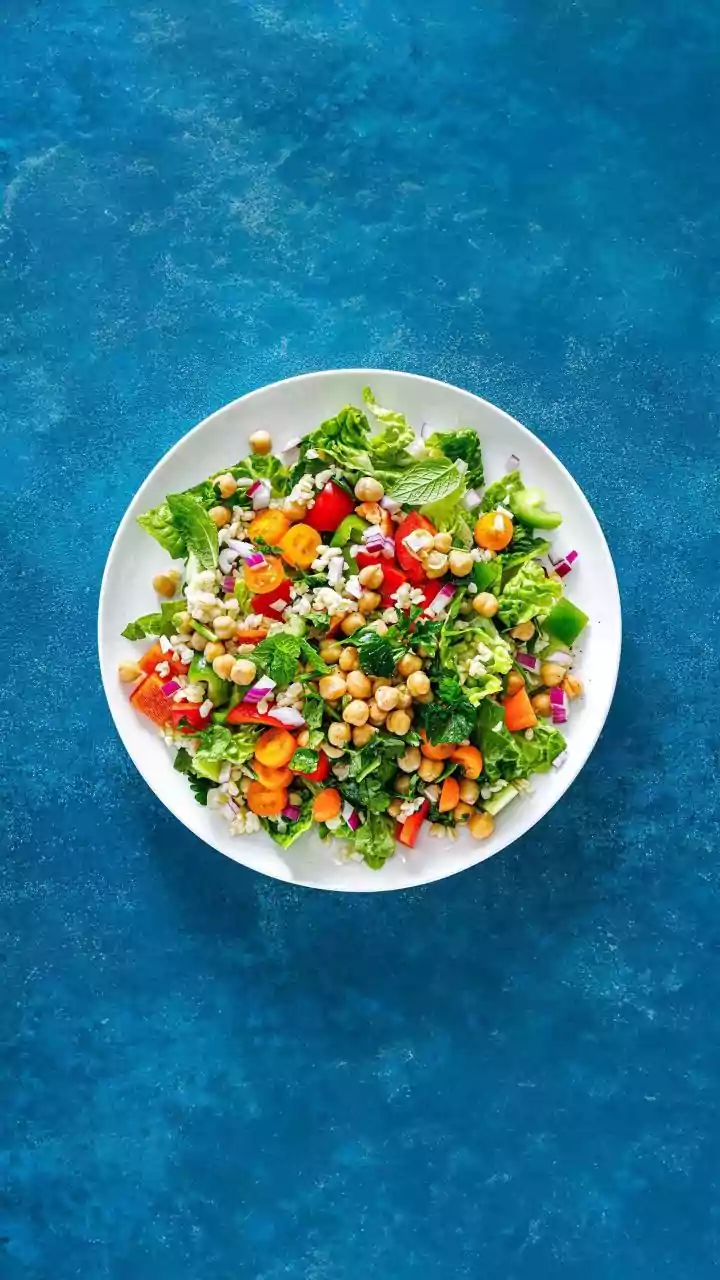
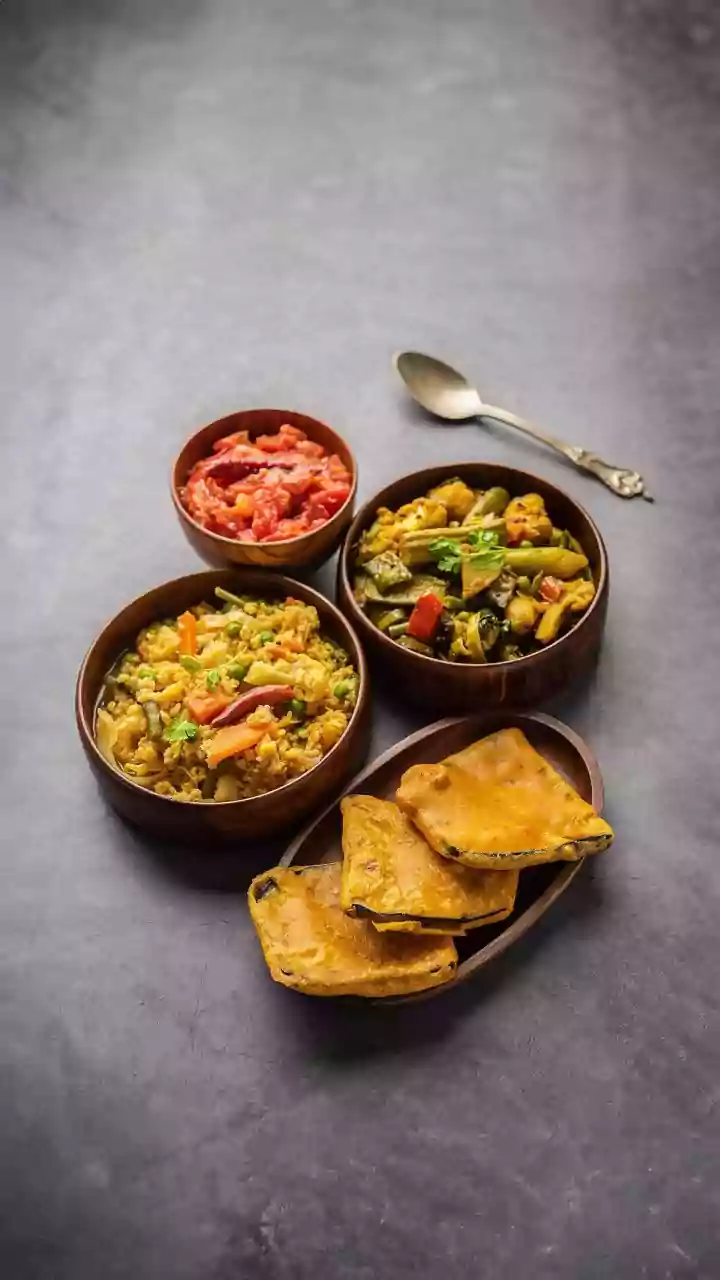
The revival isn't just happening on farms; it's happening in kitchens. Innovative chefs and food startups across India are reinventing millets for the 21st-century palate. Forget bland porridge. Today, you can find millet dosas that are crisper than their rice counterparts, fluffy millet idlis, and savory upma made from foxtail millet. Cafes in Mumbai and Bangalore serve millet-crust pizzas, ragi-based chocolate cakes, and even millet beer. At home, families are substituting a portion of rice with millets in dishes like khichdi and biryani. This culinary creativity is key—it’s proving that nutritious food doesn't have to be boring. By making millets delicious and accessible, these culinary pioneers are stripping away the old stigma and making them trendy.
A Climate-Smart Crop for the Future
Perhaps the most compelling reason for the return of millets has less to do with nostalgia and more to do with the future of our planet. These grains are incredibly resilient. They are what agronomists call “climate-smart crops.” Millets require a fraction of the water needed to grow rice or wheat, can thrive in poor soil, and are naturally drought- and pest-resistant. In a world grappling with water scarcity and unpredictable weather patterns, these are not small advantages. They represent a more sustainable model of agriculture, one that works with the environment rather than against it. As India and other nations look for ways to ensure food security for a growing population in a changing climate, the humble millet looks less like a relic of the past and more like a grain of the future.