


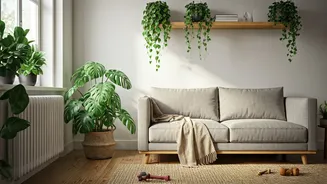


What is Biophilic Design, Anyway?
Before you start picturing a home overrun with jungle vines, let's clarify. Biophilic design is an architectural and interior design philosophy centered on connecting people with the natural world. It’s more than just plopping a few potted plants on a windowsill.
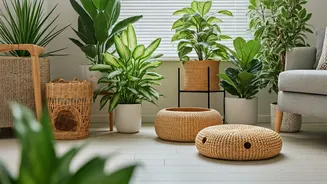
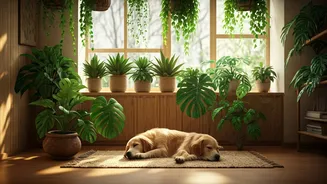
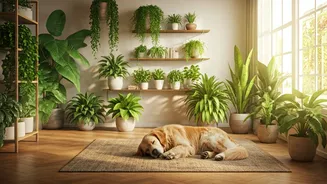
The goal is to create a multi-sensory experience that reduces stress and improves well-being by integrating natural elements into our built environments. This means thinking about maximizing natural light, using materials like wood and stone, incorporating patterns that mimic those found in nature (like honeycomb or leaf veins), and, of course, using living plants. It’s about crafting a space that feels calming, restorative, and alive—a direct response to our increasingly digital and indoor lives. The new wave of this trend understands that for a home to be truly restorative, it must also be safe for every member of the family, including the furry ones.
Your Pet-Safe Starter Pack
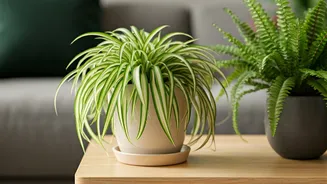
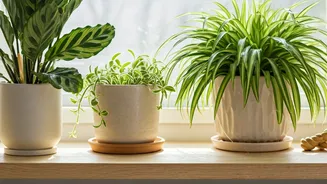
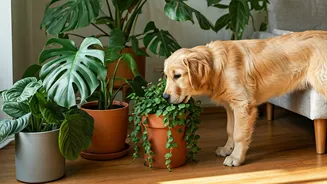
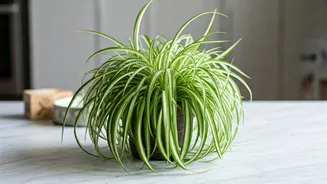
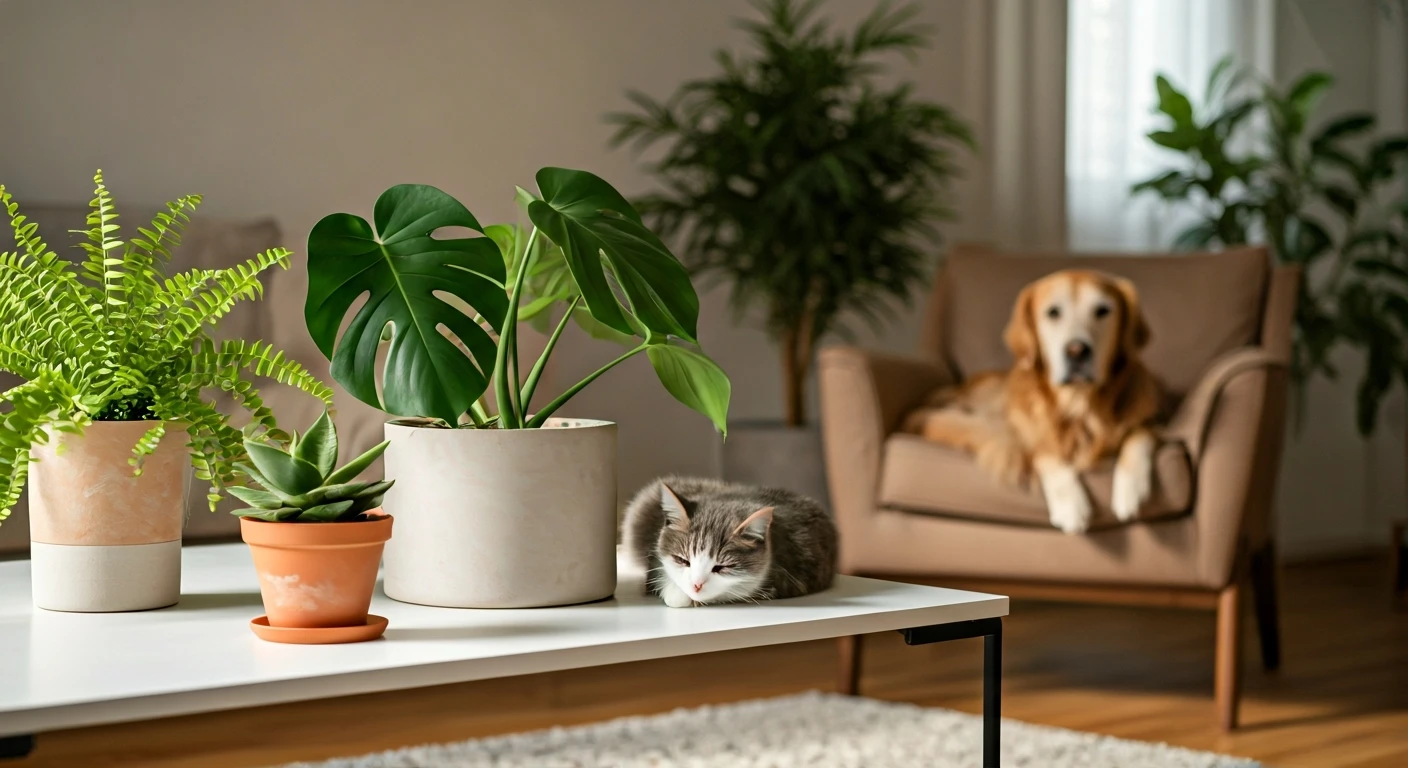
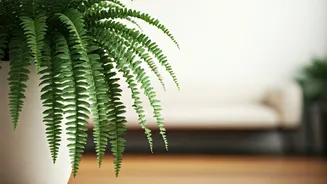
The biggest hurdle for pet owners is toxicity. Many popular houseplants, from fiddle-leaf figs to monsteras, can be harmful if ingested by curious cats or dogs. But a pet-safe home doesn’t have to be a plant-free home. The key is to build your indoor garden with a foundation of non-toxic greenery. Here are a few beautiful, resilient, and, most importantly, safe options: • **Spider Plant (Chlorophytum comosum):** This retro classic is making a huge comeback. It’s incredibly easy to care for and produces little “spiderettes” that can be repotted. It’s completely non-toxic and looks great in a hanging basket, safely out of paw’s reach. • **Prayer Plant (Maranta leuconeura):** Known for its stunning, patterned leaves that fold up at night as if in prayer, this plant adds a splash of color and movement. It thrives in humid environments, making it perfect for a bathroom. • **Parlor Palm (Chamaedorea elegans):** If you want a tropical vibe without the danger, the Parlor Palm is your answer. This slow-growing palm is elegant, relatively low-maintenance, and gives you a lush look that’s perfectly safe for pets. • **Boston Fern (Nephrolepis exaltata):** With its feathery, arching fronds, the Boston Fern is a textural superstar. It loves humidity and indirect light, adding a touch of Victorian elegance to any room.
Designing with Paws in Mind
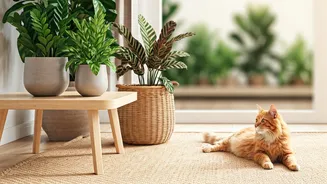
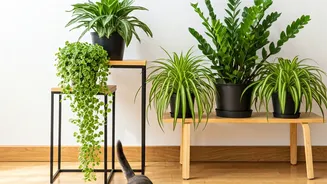
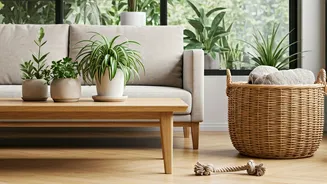
Once you have your pet-safe plants, the “pretty” part comes from smart placement and design choices. Think vertically. Using hanging planters, wall-mounted shelves, and tall plant stands not only creates visual interest and layers but also keeps delicate leaves away from bored chewers. This strategy allows you to place plants at different heights, drawing the eye upward and making a room feel more dynamic. Consider the pot, too. Choose heavy, wide-bottomed ceramic or terracotta pots that are difficult for a rambunctious dog or curious cat to knock over. Grouping several pots of different sizes together can also create a stable, stylish vignette. Finally, you can create natural “barriers” by placing less-interesting (but still safe) plants like palms or larger ferns in front of more delicate or tempting ones.
The Most Common Culprits to Avoid
Knowing what to avoid is just as important as knowing what to embrace. Many of the most popular and Instagram-famous houseplants are unfortunately toxic to pets. While this is not an exhaustive list—always check the ASPCA’s official database before buying—here are some of the most common offenders to steer clear of: • **Lilies:** All parts of the lily plant are extremely toxic to cats and can cause kidney failure within days. For cat owners, these are a non-negotiable “no.” • **Sago Palm:** This popular ornamental looks like a mini palm tree but is a cycad, and it is highly toxic to all pets, often leading to liver failure. • **Snake Plant (Sansevieria trifasciata):** While incredibly hardy and popular, snake plants are mildly toxic and can cause nausea and vomiting if eaten. • **Pothos & Philodendron:** These trailing beauties are ubiquitous in home decor, but they contain calcium oxalate crystals that cause oral irritation, pain, and swelling if ingested by pets.