

The Powerhouse Powder: What is Sattu?
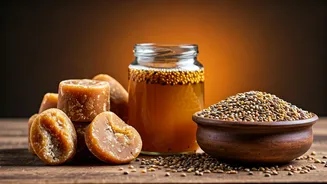
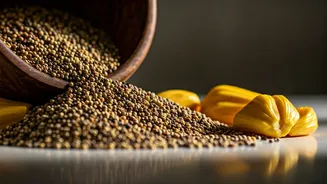
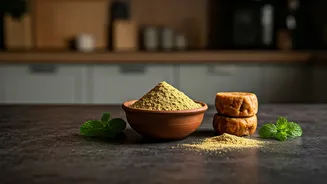
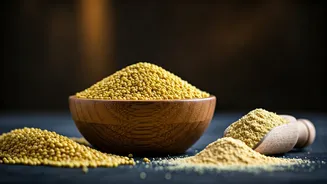
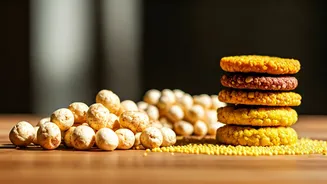
Imagine a food that’s part protein powder, part cooling refreshment, and part culinary workhorse. That’s sattu. Made from roasted chickpeas or other grams, sattu is a flour that has been a staple in parts of India for centuries, prized for its affordability,
long shelf life, and impressive nutritional stats. Traditionally known as a 'poor man’s protein,' it's now being recognized for its rich profile of plant-based protein, high fiber content, and essential minerals like iron and magnesium. Because the grains are roasted before being ground, sattu is ready-to-eat and has a unique, nutty flavor. Unlike whey or soy protein isolates, it’s a whole food, offering complex carbohydrates that provide sustained energy rather than a quick spike and crash. This makes it a compelling alternative for anyone looking to fuel up without the highly processed ingredients common in the supplement aisle.
The Ancient Grains: Meet the Millets
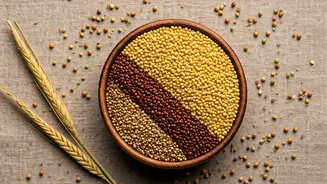
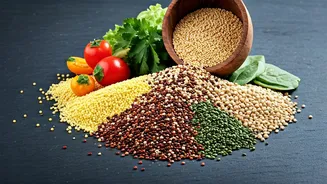
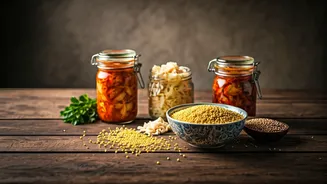
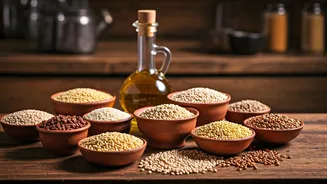
If you’ve only just started seeing millets on menus and grocery shelves, you're not alone—but these grains have been feeding civilizations for over 7,000 years. Millet isn't a single type of grain but a diverse group of small-seeded grasses, including varieties like pearl, foxtail, and finger millet. Before rice and wheat became globally dominant, millets were a primary food source across Asia and Africa. So why the comeback? For one, all millets are naturally gluten-free, making them a go-to for those with celiac disease or gluten sensitivities. They are also packed with fiber, protein, antioxidants, and minerals. What’s more, they are considered a low-glycemic index food, which helps manage blood sugar levels. Their versatility is another major selling point; they can be cooked to a fluffy, quinoa-like consistency or a creamy, porridge-like texture, easily adapting to both sweet and savory dishes.
Why Are They Trending Now?
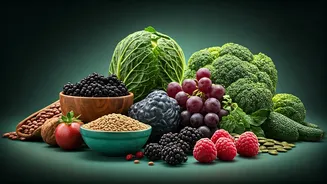
The rise of sattu and millets isn't an accident. It perfectly aligns with several major shifts in American wellness culture. The explosive growth of plant-based eating has created a huge demand for high-quality, non-animal protein sources, a role both sattu and millets fill beautifully. The obsession with gut health has also put a spotlight on fiber-rich foods that nourish a healthy microbiome. Beyond personal health, there's a growing awareness of food sustainability. Millets, in particular, are an environmental dream. They are incredibly hardy, drought-resistant crops that can grow in poor soil with minimal water or fertilizer—a stark contrast to water-intensive grains like rice and wheat. The United Nations even declared 2023 the 'International Year of Millets' to promote them as a solution to global food security challenges. This combination of personal wellness benefits and planetary health credentials makes them irresistible to the modern conscious consumer.
How to Bring Them Into Your Kitchen
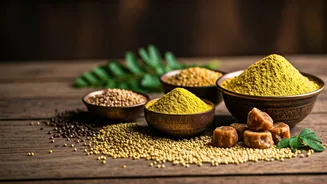
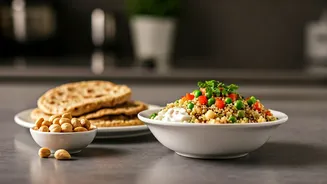
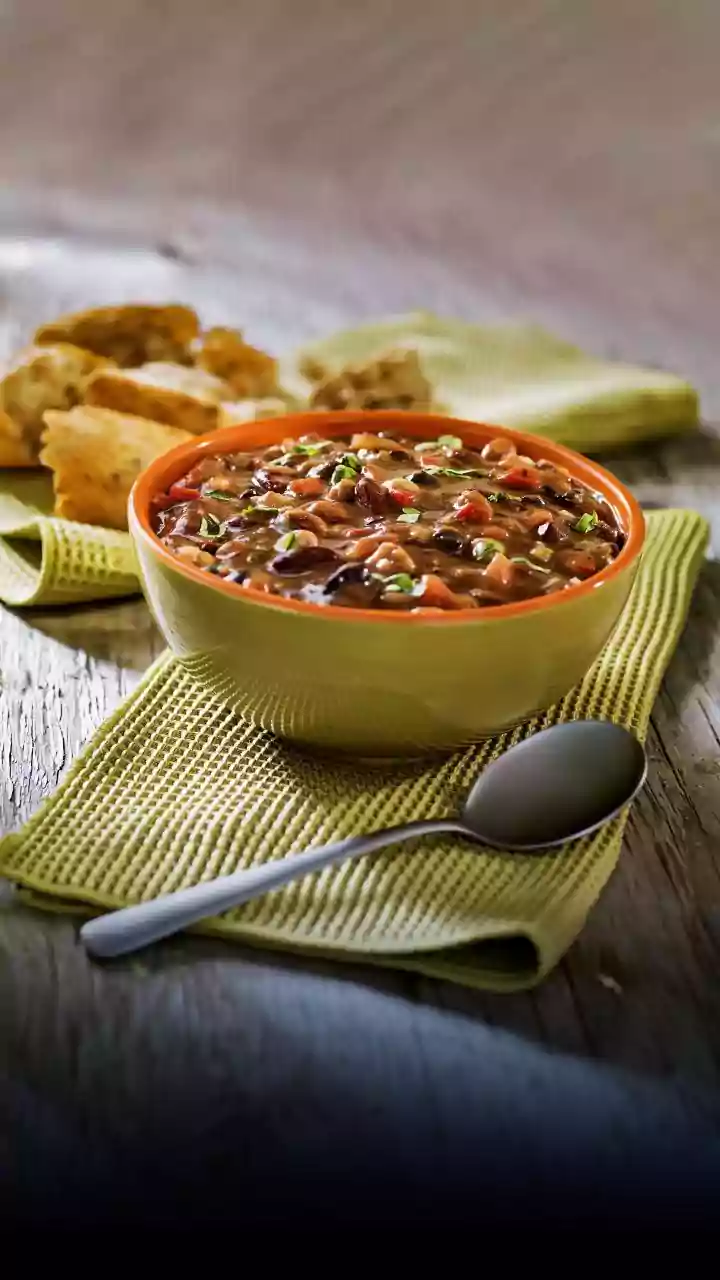
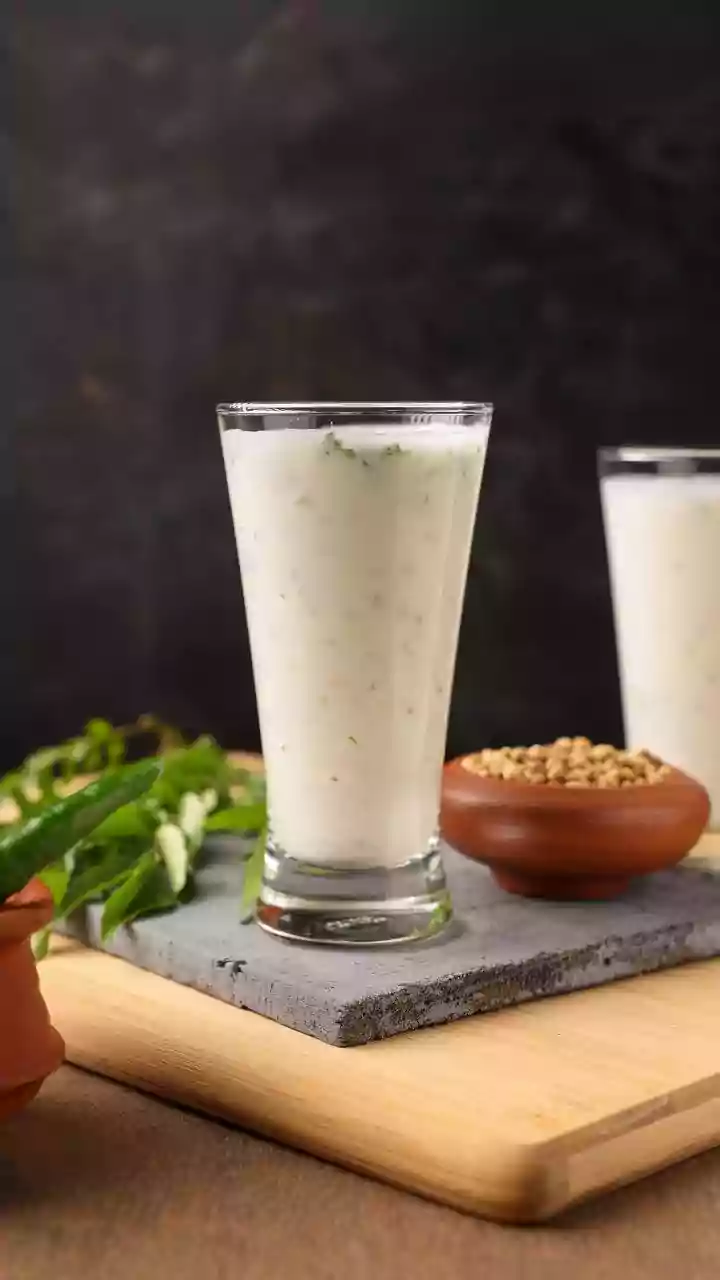
Getting started with sattu and millets is easier than you think. You can typically find them at Indian grocery stores, well-stocked health food markets, and online. For sattu, the simplest use is the traditional 'sattu sharbat'—just mix a few spoonfuls with water, a pinch of salt, and a squeeze of lemon for a hydrating, energizing drink. You can also blend it into smoothies for a protein boost, whisk it into yogurt, or use it to make no-bake energy balls. Millets are just as user-friendly. Cook them as a simple side dish, just like rice or quinoa (the typical ratio is 1 part millet to 2 parts water). Use them as a base for grain bowls and salads, or start your day with a warm millet porridge topped with fruit and nuts. Some varieties can even be popped like corn for a healthy snack.