




The Carbon Footprint of Everything
If you want to understand how a burger, a plane ticket, and a protest sign ended up in the same cultural conversation, you have to start with the lens through which many young people see the world. For Gen Z and younger Millennials, climate change isn't
a distant, abstract threat; it’s the defining background crisis of their lives. They’ve grown up with a constant stream of information about melting ice caps, raging wildfires, and dire scientific warnings. Unlike previous generations who could treat environmentalism as a separate hobby or political stance, this cohort views nearly every decision through a carbon-colored lens. This constant awareness creates a kind of 'ambient anxiety,' prompting a search for agency in the one place they feel they have control: their own consumption habits. The question is no longer just, 'What do I want?' but 'What impact does my want have?' This fundamental shift reframes everyday choices as moral and political acts.
You Are What You Don't Eat
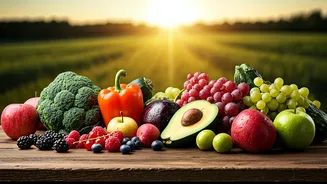
Nowhere is this shift more visible than on the dinner plate. The explosion of plant-based eating among young people isn't just a wellness fad; it's a direct response to climate data. Documentaries and viral social media posts have made the connection between industrial meat production, deforestation, and greenhouse gas emissions crystal clear. For many, choosing an oat milk latte over dairy or a veggie burger over beef is a small, daily act of climate resistance. It’s a tangible way to lower one’s personal carbon footprint. This extends beyond simple veganism. The same value system drives an interest in 'climatarian' diets, which prioritize locally sourced foods to reduce 'food miles,' minimizing food waste, and supporting regenerative agriculture. Food has become a primary battleground for personal ethics, where the menu is a manifesto and every meal is a vote for a certain kind of future.
Wanderlust, But With a Conscience
Travel, long seen as the ultimate expression of freedom and experience-gathering, is undergoing a similar ethical audit. The concept of 'flight-shaming,' which originated in Scandinavia, has found fertile ground in the U.S. among climate-conscious youth. While most still want to see the world, they are increasingly grappling with the immense carbon cost of air travel. This tension is creating new patterns. Some are embracing the romance of train travel, rediscovering America’s landscapes at a slower, less carbon-intensive pace. Others are championing the 'staycation' or exploring regional destinations they can drive to. When they do fly, there's a growing demand for eco-lodges, carbon-offset programs, and travel companies with transparent sustainability practices. It's a redefinition of what a 'good' trip is—moving from pure Instagram-worthy escapism to a more mindful exploration that respects the destination and the planet.
It’s a Value System, Not Just a Trend
Calling this a single 'trend' might even be an understatement. It’s more like an operating system for modern life. The convergence of food, travel, and climate activism isn’t a coincidence; it's the logical outcome of a generation that sees the world as an interconnected system. They understand that a steak dinner in Ohio can be linked to deforestation in the Amazon, and a cheap flight to Europe contributes to sea-level rise in Florida. Social media acts as the accelerator, instantly spreading information, reinforcing community values, and creating social proof around sustainable choices. What one person posts about their farmers' market haul or their train trip across the country influences and validates the choices of their peers. This fusion of personal identity, consumer behavior, and ethical responsibility is creating a powerful new cultural force that brands, marketers, and older generations are just beginning to understand.