





Redefining 'Vintage' Itself
When you hear 'vintage fashion,' your mind might jump to flapper dresses or 1970s bell bottoms—distinct, era-defining silhouettes. But in cities from Mumbai to Bangalore, young Indians are pursuing a different kind of vintage. It’s less about a specific
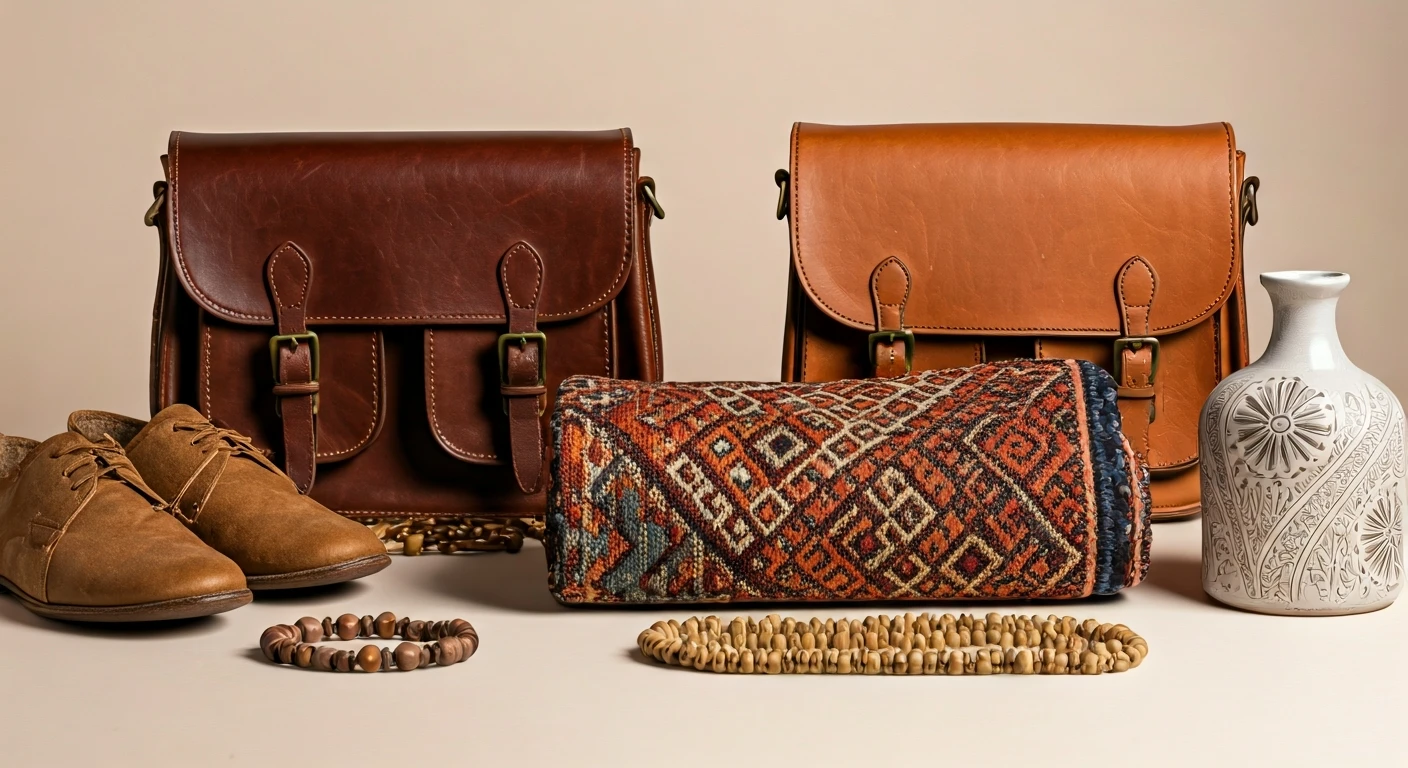
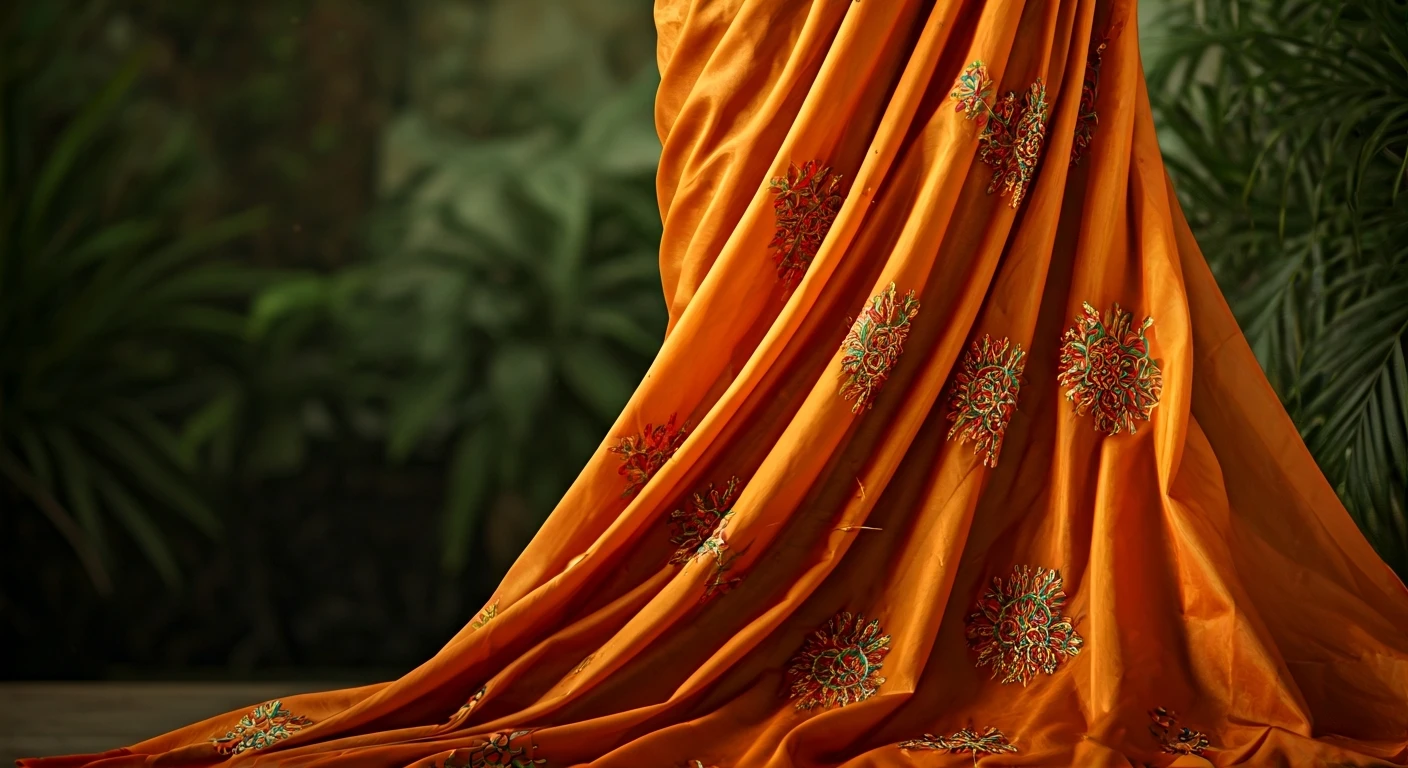
decade and more about a specific ethos: authenticity, quality, and individuality. The prize isn't a pristine designer piece from a bygone Western era, but rather a hand-embroidered blouse from a grandmother’s trunk, a perfectly worn-in denim jacket from a father's college days, or a beautifully woven silk sari that tells a story. This movement isn't about looking like you’ve stepped out of a time machine. It’s about seamlessly integrating pieces of the past into a thoroughly modern, globalized wardrobe. It’s a quiet rebellion against the idea that old clothes must be worn as a complete, theatrical look.
The Instagram Thrift Economy
This sartorial shift isn’t happening in dusty, sprawling thrift marts. Its primary marketplace is Instagram. A flourishing ecosystem of online thrift stores, often run by savvy young entrepreneurs, curates and sells pre-loved clothing directly to their peers. Accounts with names like Bodements, Carol’s Shop, and Vrtt Vintage have become style destinations, showcasing one-of-a-kind finds on diverse body types. This digital-first approach does two things: First, it makes thrifting accessible and aspirational, removing the stigma that once clung to second-hand goods in some circles. Second, it builds a community around shared values. Shoppers aren't just buying a shirt; they're buying into a culture of sustainability and conscious consumption, connecting with sellers who share their aesthetic and worldview. The 'drop' culture of these stores, where new items are released at a specific time and sell out in minutes, adds an element of treasure-hunting excitement that fast fashion can’t replicate.
It's Not a Costume, It's My Life
The core of this trend lies in the phrase “without costume energy.” For generations, traditional Indian garments were often reserved for special occasions—weddings, festivals, religious ceremonies. To wear them outside these contexts could feel like putting on a costume. Today’s youth are dismantling that boundary. They are deconstructing traditional attire and recontextualizing it for everyday life. A 30-year-old sari isn't necessarily worn with a matching blouse and formal jewelry; it might be draped over jeans, paired with a simple white tee and sneakers. An old brocade blouse is worn with tailored trousers to the office. This isn't a performance of 'Indian-ness' for an external gaze. Instead, it’s an assertion of a fluid, confident identity, one that can honor heritage without being constrained by it. It’s the sartorial equivalent of being fluent in multiple languages—able to code-switch effortlessly between global trends and personal history.
A Sustainable Stance
Underpinning the entire movement is a powerful rejection of fast fashion. India, like much of the world, has been inundated with cheap, mass-produced clothing from global giants. But a growing awareness of the environmental and ethical toll of that industry has spurred a search for alternatives. For Gen Z and young millennials in India, thrifting is both a practical and a political choice. It’s a vote for a circular economy and a protest against the wastefulness of disposable trends. Choosing a pre-loved garment over a new one is a statement. It says that quality and durability are more important than novelty, and that personal style shouldn't have to come at the planet's expense. This sustainable mindset aligns perfectly with the inherent longevity of older, often better-made Indian textiles and garments, creating a perfect storm of style and substance.