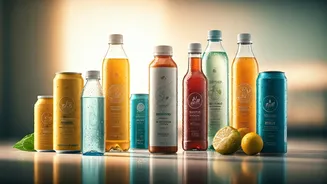



The Job of a Beverage Has Changed
For decades, the beverage industry operated on a simple premise: quenching thirst. A cold soda on a hot day, a juice box in a lunch bag, a cup of coffee to start the morning. But a fundamental shift is underway. Consumers, particularly Millennials and
Gen Z, are increasingly asking their drinks to do more than just hydrate or caffeinate. They want them to perform a job—to be ‘functional.’ This isn't just about adding vitamins anymore. We're talking about beverages engineered to enhance your mind, soothe your stress, or even improve your digestion. The simple act of sipping has become an act of self-optimization, turning the cooler section of your local grocery store into a veritable wellness apothecary.
Meet the New Ingredients
Walk down the new beverage aisle and you’ll see a vocabulary that wasn’t there five years ago. The new stars are ingredients that promise specific, tangible benefits. Nootropics, often called 'smart drugs,' are compounds believed to enhance cognitive functions like memory, creativity, and focus. Ingredients like L-theanine (found in green tea) and Lion's Mane mushroom are popping up in drinks designed as a coffee alternative for jitters-free concentration. Then there are adaptogens—herbs and roots like ashwagandha and rhodiola that have been used in traditional medicine for centuries. The claim is that they help the body 'adapt' to physical and mental stress, promoting a sense of calm and balance. Finally, you have the gut-health champions: prebiotics and probiotics. Brands like Olipop and Poppi have exploded in popularity by formulating sodas that feed the good bacteria in your gut, promising better digestion and overall wellness in a can that still tastes like a treat.
Why Now? Burnout and the 'Sober Curious'
So, why the sudden demand for a drink that acts like a supplement? Two major cultural currents are fueling this wave. First is the pervasiveness of burnout. In a culture that prizes productivity and is awash in anxiety, people are desperately seeking tools for managing stress and enhancing focus. A drink that promises 'calm' or 'clarity' is a low-effort, accessible solution—a small ritual of self-care in a hectic day. Second is the rise of the 'sober curious' movement. As more people, especially younger adults, reduce their alcohol intake, they're left with a social void. Water and traditional sodas don’t always cut it for the evening wind-down or a social gathering. Functional beverages, particularly 'euphorics' like those from brands like Kin, offer complexity, ritual, and a mood-altering effect (without the alcohol), providing a sophisticated alternative for happy hour.
From Niche Health Store to Mainstream
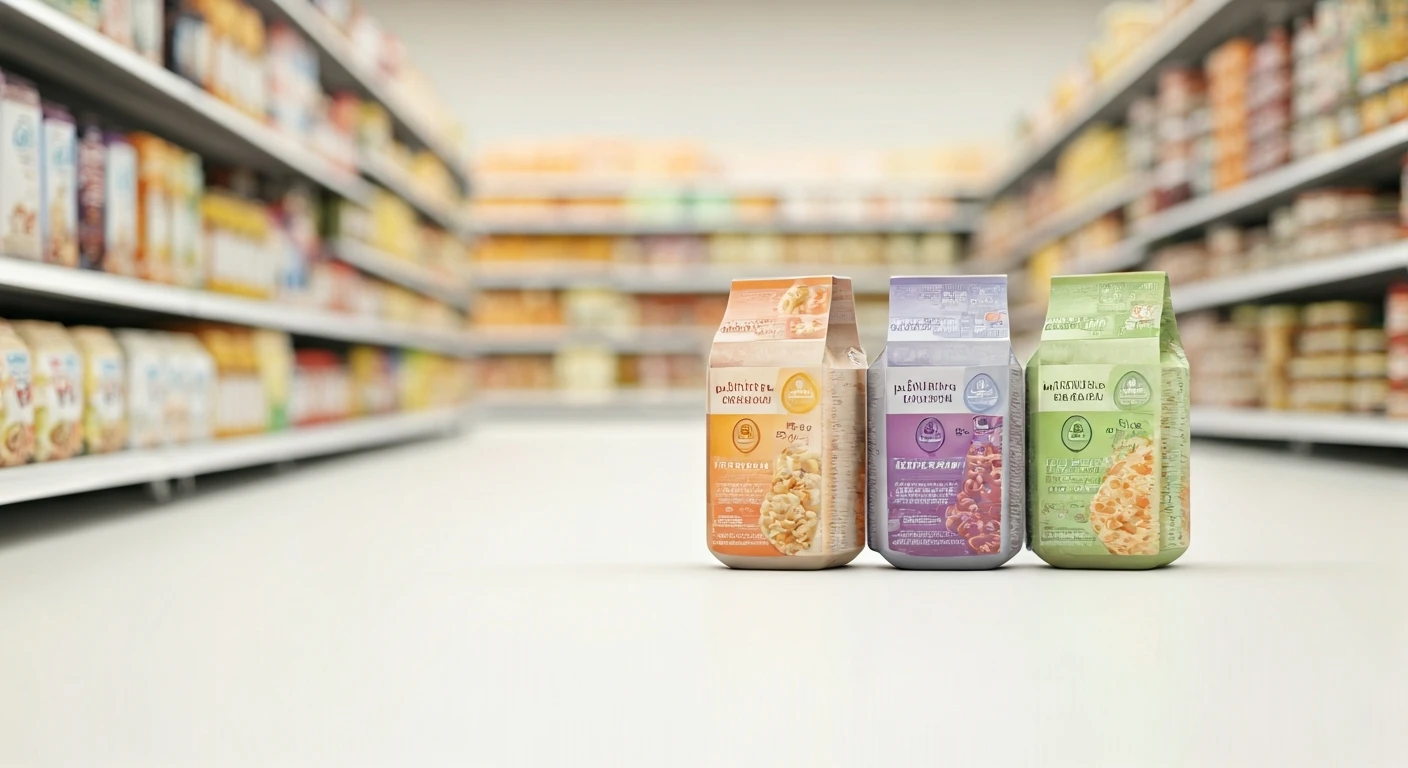
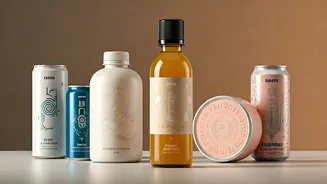
What began in niche wellness cafes and high-end health food stores has officially gone mainstream. The once-exotic ingredients are now marquee names on cans in Target, Walmart, and Kroger. The pastel cans of Poppi and the retro-styled Olipop aren't hidden in a dusty 'health' section; they’re sitting right next to Coca-Cola and Pepsi, often at a premium price point that consumers are willing to pay. This rapid commercialization signals a permanent change in consumer expectations. The success of these brands has put legacy beverage giants on notice, forcing them to either acquire the buzzy startups or scramble to develop their own functional offerings. It’s a clear sign that the desire for benefit-driven beverages is not a fleeting fad, but a redefinition of the entire category.