



Harnessing the Power of Light
Light is arguably the most powerful tool for influencing the atmosphere of a room. Our bodies are hardwired to respond to it, with our internal clocks (circadian rhythms) regulated by the ebb and flow of natural light. To maximize wellness, start by prioritizing
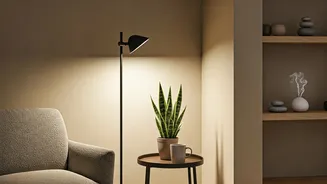
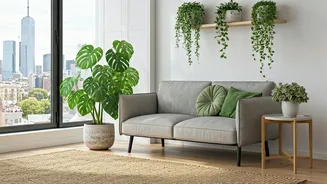
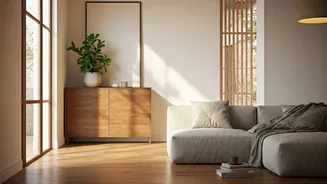
sunlight. Keep windows unobstructed, use sheer curtains instead of heavy drapes where privacy allows, and strategically place mirrors to bounce light deeper into a room. When the sun goes down, artificial lighting takes over, but not all light is created equal. The key is to layer your lighting and control its intensity and color. Use a combination of overhead (ambient), focused (task), and decorative (accent) lighting. More importantly, install dimmer switches wherever possible. This allows you to transition from bright, cool-toned light that mimics midday sun (ideal for focus and energy) to a warm, soft glow in the evening that signals to your brain it’s time to wind down. Smart bulbs offer even more control, letting you adjust the color temperature from a stimulating blue-white to a calming amber-yellow.
Embracing Natural Materials
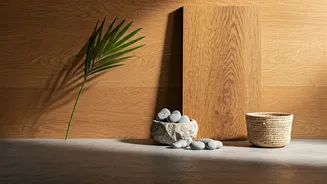
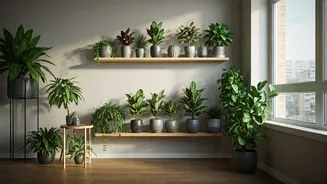
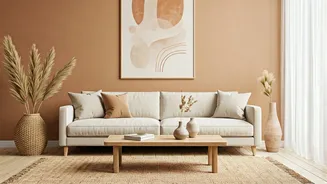
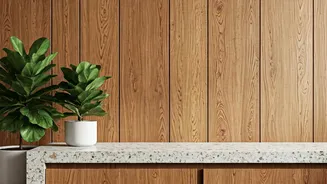
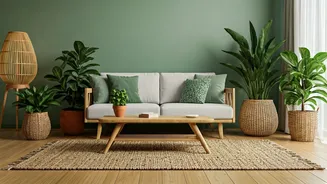
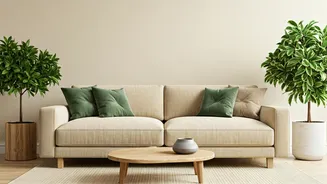
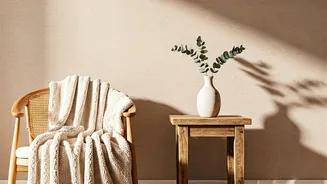
In a world dominated by screens and synthetic surfaces, our senses crave a connection to the natural world. This is the core principle of biophilic design: the idea that incorporating elements of nature into our built environments reduces stress and improves well-being. When it comes to materials, this means choosing items that are natural, textured, and imperfect. Swap plastic and laminate for the warmth of a wood dining table, the cool solidity of a stone countertop, or the soft touch of a wool rug. These materials do more than just look good; they provide tactile feedback that is grounding and comforting. Think about the sensory experience. A linen sofa cover feels breathable and relaxed, a chunky knit blanket invites you to curl up, and a ceramic mug feels substantial in your hands. You don't need a gut renovation to make a difference. Start small by introducing plants, swapping polyester throws for cotton or wool, and choosing decor made from wood, rattan, or clay. These touches create a rich, layered environment that feels less like a showroom and more like a sanctuary.
Optimizing Your Layout for Flow
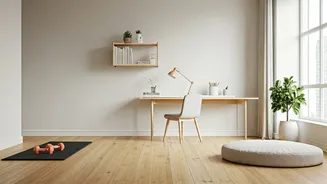
The way your furniture is arranged and how you move through your space has a profound, often subconscious, impact on your mental state. A cluttered, chaotic layout can contribute to feelings of anxiety and being overwhelmed, while a thoughtful, open layout promotes calm and ease. The first step is to declutter. Visual noise from piles of mail, excess decor, and tangled cords creates a low-level hum of stress. Aim for clear surfaces and ensure every item has a home. Next, consider the flow of traffic. Can you walk from the door to the couch without weaving around obstacles? Clear, unimpeded pathways make a home feel larger and more welcoming. Create distinct zones for different activities, even in a small space. A comfortable chair and a small table can create a reading nook, while arranging sofas to face each other encourages conversation. Finally, establish a "landing strip" near your front door—a small console table or bench with a bowl for keys and a hook for bags. This simple organizational hub prevents clutter from migrating into the rest of the house and creates a calming ritual for both arriving and leaving.