



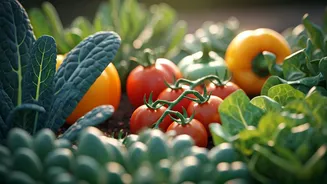
The Practical Payoff on Your Plate
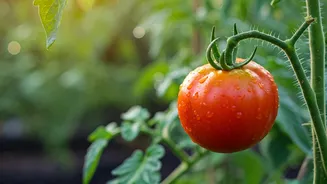
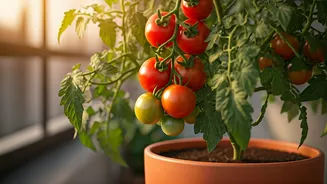
Let’s start with the practical. Growing vegetables is, at its core, an act of profound utility. While you might not replace your grocery store trips entirely, you'll gain access to a level of freshness that's impossible to buy. The flavor of a tomato
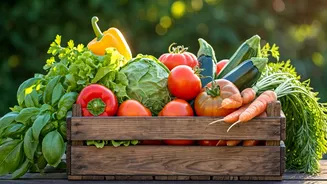
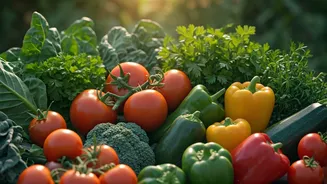
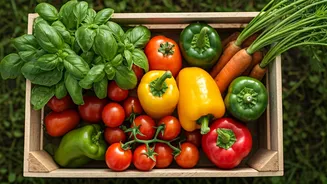
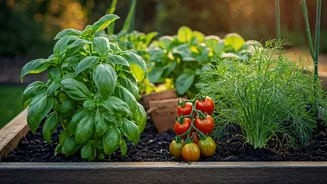
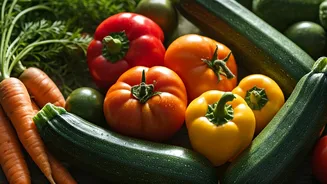
picked moments before it hits your salad, still warm from the sun, is a revelation. This isn’t the hard, pale version from the supermarket; it’s a burst of summer. Beyond taste, there’s a quiet economic satisfaction. A single packet of lettuce seeds, costing a few dollars, can produce salads for weeks. A well-tended zucchini or tomato plant can become almost comically productive. This isn't about becoming a survivalist; it's about smart, small-scale abundance. You know exactly what’s gone into your food—no mystery pesticides, no long-haul shipping. It's clean, direct, and deeply reassuring.
Finding the Fun in the Foliage
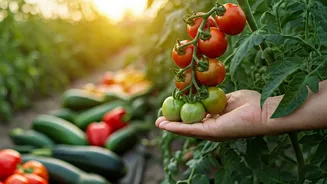
But practicality is only half the story. The 'fun' in vegetable gardening is subtle, restorative, and deeply human. It's the quiet satisfaction of seeing the first green shoots push through the soil. It's the daily ritual of watering, a meditative moment that pulls you away from screens and into the physical world. For many, it's an antidote to the anxieties of modern life. Gardening has been shown to reduce stress, improve mood, and provide a gentle form of physical activity. The process becomes a low-stakes adventure. Will the pests get the kale? Will the beans climb the trellis? Each day brings a tiny bit of drama and discovery. It’s a hobby that engages all the senses: the smell of damp earth, the sight of a pepper turning from green to red, the sound of bees buzzing around squash blossoms. It reconnects you with natural cycles and, in turn, with yourself.
From Seed to Supper: A Tangible Journey
In a world where so much of our work is digital and abstract, vegetable gardening offers a tangible result. You are a co-creator, a participant in a process from beginning to end. You plant a seed, nurture the sprout, and eventually harvest the fruit. This complete cycle, from dirt to dinner plate, provides a powerful sense of accomplishment that checking off a to-do list rarely can. It teaches patience and resilience. Some plants will fail, and that's okay. You learn, adapt, and try again. This process demystifies food production. Children who garden are often more willing to try new vegetables because they feel a sense of ownership. They pulled the carrot from the ground; they watched the peas form in the pod. It’s a direct, powerful lesson in where food comes from, fostering a respect for both the process and the product.
Getting Started Without the Stress
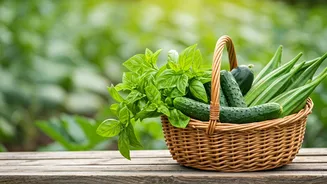
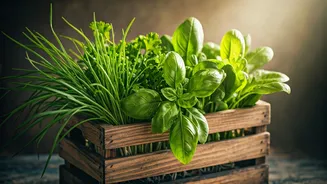
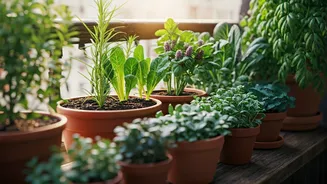
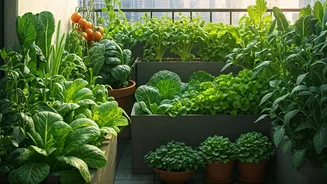
The idea of starting a garden can feel intimidating, but it doesn’t have to be. The secret is to start small. You don’t need a sprawling backyard. A sunny patio, balcony, or even a windowsill can be enough. A few pots can produce a surprising amount of food. Begin with 'easy wins'—vegetables that are famously forgiving. Think leaf lettuce, bush beans, radishes, or zucchini. Herbs like basil, mint, and parsley are also excellent starter plants for containers. Look for determinate or 'patio' varieties of tomatoes, which stay compact. Most importantly, give yourself permission to learn as you go. Your first garden is an experiment, not a test. The goal isn't perfection; it's participation. Focus on the joy of the process, and the practical rewards will follow.