





A City Atop the Clouds
For most Americans, the idea of India conjures images of the Taj Mahal, the bustling streets of Mumbai, or the serene backwaters of Kerala. But journey far to the northeast, wedged between Bhutan, Tibet, and Nepal, and you’ll find Sikkim, a former Buddhist
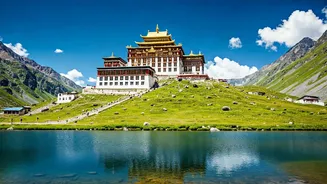
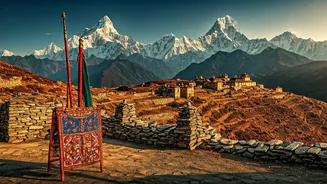
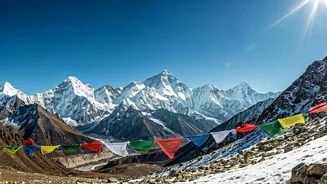
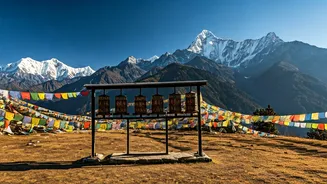
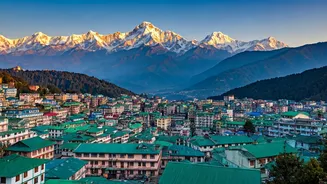
kingdom that became India's 22nd state in 1975. Its capital, Gangtok, is a city clinging to steep Himalayan hillsides, a place where Buddhist monasteries coexist with modern cafes and breathtaking views of Kanchenjunga, the world's third-highest peak, dominate the horizon. This is not the India of most travelogues. It is the gateway to Northeast India, a region of eight states connected to the rest of the country by a narrow strip of land and possessing a cultural fabric distinct from anywhere else in South Asia.
The Sights and Sounds of Celebration
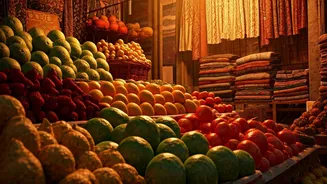
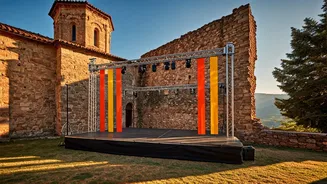
Throughout the year, Gangtok's streets come alive with festivals that showcase its unique blend of Lepcha, Bhutia, and Nepali heritage. During Losar, the Tibetan New Year, you might witness the surreal and powerful 'cham' dances, where monks in elaborate masks perform ancient rituals to ward off evil spirits. Later in the year, the Gangtok Food and Culture Festival transforms the city's central MG Marg into an open-air feast. Here, visitors and locals alike sample delicacies like 'gundruk' (fermented leafy greens), 'thukpa' (hearty noodle soup), and a variety of locally brewed millet beers served in traditional bamboo containers. It’s a sensory explosion where traditional music, from the twang of a 'tungna' to the beat of a 'damphu' drum, provides the soundtrack for a city celebrating its very soul.
More Than Just a Festival
These celebrations, while deeply rooted in local tradition, have taken on a new significance. For decades, Northeast India has been culturally and politically siloed from the Indian 'mainland.' Its people, with Tibeto-Burman and Southeast Asian ethnic roots, have often faced stereotyping and a lack of representation in the national narrative. In this context, a festival in Gangtok is not just a party. It's a powerful act of cultural assertion. By showcasing their food, music, and traditions with pride and impeccable organization, cities like Gangtok are actively reshaping perceptions. They are sending a clear message: we are here, we are unique, and our culture is a vital and dynamic part of the Indian mosaic, not a forgotten footnote.
A Spotlight for the Whole Region
The success of Gangtok's cultural showcases creates a ripple effect across the entire Northeast, often called the 'Land of the Seven Sisters' (plus Sikkim). When travelers, journalists, and influencers share images of Gangtok's vibrant festivals, they inadvertently become ambassadors for the entire region. This newfound visibility helps challenge old narratives and builds a bridge of understanding. A traveler who comes for a festival in Sikkim might then be inspired to explore the hornbill festival in Nagaland, the living root bridges of Meghalaya, or the tea gardens of Assam. Gangtok's moment, therefore, becomes a moment for the entire Northeast. It’s a beautifully packaged invitation to look beyond the clichés and discover a part of India that is complex, welcoming, and fiercely proud of its heritage.