





The Backlash to Burnout Culture
The quiet rise of the 'gentle walk' isn't happening in a vacuum. It’s a direct response to a decade dominated by high-intensity interval training (HIIT), punishing bootcamps, and a pervasive sense that if you didn't finish a workout feeling completely
depleted, you hadn't worked hard enough. This maximalist approach, while effective for some, has left many Americans feeling intimidated, injured, or simply burned out. The pandemic accelerated this shift. With gyms closed and stress levels at an all-time high, millions rediscovered walking not just for exercise, but for sanity. It became a permissible, accessible way to move the body, clear the head, and safely connect with the outdoors. This collective experience helped reframe exercise from a form of punishment to a form of self-care. Now, wellness experts and everyday people are championing consistency over intensity, recognizing that the best workout is the one you can do regularly without dread.
More Than Just Steps
So, what makes a simple walk so 'serious'? The science points to its profound effects on both body and mind. Much of the benefit lies in what exercise physiologists call 'Zone 2' cardio. This is a low-to-moderate intensity state where your heart rate is elevated, but you can still hold a conversation comfortably. Working out in this zone for sustained periods (30 minutes or more) is incredibly efficient at building your aerobic base and improving mitochondrial function—the powerhouses of your cells. This translates to better endurance, improved metabolic health, and enhanced fat-burning capabilities. Unlike high-intensity workouts that can spike cortisol (the stress hormone), a brisk walk can actually help lower it. This makes it a powerful tool for managing stress, improving mood, and promoting better sleep. For many, it's the sweet spot of physical activity: challenging enough to create positive change, but gentle enough to be restorative rather than depleting.
Not Just Any Walk
Part of walking’s newfound prestige comes from its evolution. It's no longer just a meandering stroll; it's become structured and intentional. Viral fitness trends have given it a rebrand. The '12-3-30' workout, which involves walking on a treadmill at a 12% incline at 3 mph for 30 minutes, has become a social media phenomenon. It transforms a simple machine walk into a challenging but low-impact cardio and leg-strengthening session. Similarly, the concept of 'cozy cardio' encourages people to make their walk as comfortable and enjoyable as possible—slipping on a favorite sweatshirt, putting on a podcast, and just moving at home on a walking pad or a treadmill. These trends aren’t gimmicks; they are entry points that make exercise feel less like a chore and more like a deliberate, enjoyable part of one's routine. They give people a framework and a sense of accomplishment, proving that a 'serious' workout doesn't have to be complicated or painful.
How to Upgrade Your Walk
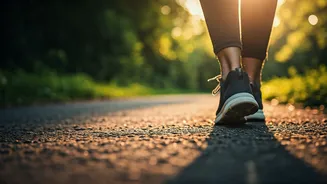
Ready to take your own walking routine more seriously? The key is intentionality. Start by focusing on consistency—five 30-minute walks a week will deliver far more benefits than one grueling 90-minute walk on a Sunday. To increase the challenge, you don't need to break into a run. Instead, focus on two variables: incline and pace. Incorporating hills into your outdoor route or using the incline function on a treadmill is one of the most effective ways to boost your heart rate and build lower-body strength. You can also play with your pace, alternating between five minutes of brisk, purposeful walking and two minutes of a more moderate recovery pace. Adding light hand or ankle weights can also increase resistance, but be mindful of form to avoid strain. Finally, don't underestimate the power of where you walk. Taking your workout into a park or nature trail—sometimes called 'green exercise'—has been shown to have additional mental health benefits, reducing rumination and boosting feelings of well-being.