






What Exactly is Sattu?
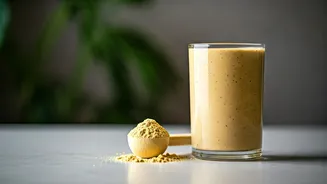
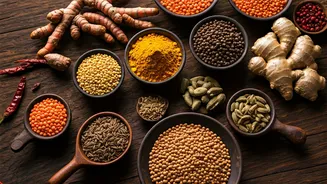
Before it was a trending health food, sattu was a cornerstone of rural diets in India, Pakistan, and Nepal. Often called the “poor man’s protein,” it’s a flour made from roasted grains and legumes, most commonly Bengal gram (kala chana). The roasting
process is key: it not only gives sattu a delicious, nutty flavor but also makes its nutrients more bioavailable and easier to digest. Unlike processed protein isolates, sattu is a whole food. You’re getting the entire package—protein, fiber, complex carbohydrates, and a host of micronutrients—in one humble scoop. It’s been used for centuries as a travel-friendly, no-cook source of instant energy and nourishment, mixed with just water and a pinch of salt or sugar.
The Nutritional Showdown: Sattu vs. Whey
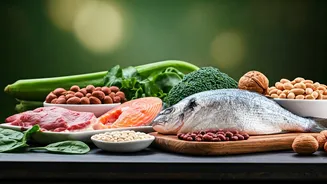
So how does this ancient staple stack up against the king of the gym? It’s not an apples-to-apples comparison, because they’re designed for different jobs. A typical scoop of whey protein isolate delivers around 25 grams of pure, fast-digesting protein with minimal carbs or fat. It’s engineered for one primary purpose: rapid muscle repair after a workout. Sattu, on the other hand, offers a more balanced nutritional profile. A 100-gram serving (about 3.5 ounces) typically contains about 20-25 grams of protein, but it also brings along 50-60 grams of complex carbohydrates and a whopping 10-15 grams of dietary fiber. Whey has virtually zero fiber. This combination of protein and fiber makes sattu incredibly satiating and provides a slow, sustained release of energy, making it an excellent pre-workout fuel or meal replacement rather than just a post-workout recovery tool.
Beyond the Protein Count
The benefits of sattu go far beyond its protein content. Its high fiber is a game-changer for digestive health, helping to regulate bowel movements and feed healthy gut bacteria. This fiber, combined with low-glycemic carbs, prevents the blood sugar spikes and crashes associated with simpler sugars, providing steady energy for hours. In Ayurvedic tradition, sattu is also known for its cooling properties, making it a popular summer drink to combat heat and dehydration. It’s rich in essential minerals often overlooked in modern supplements, including iron, manganese, and magnesium, which are crucial for energy production, bone health, and muscle function. For anyone on a plant-based diet, sattu is a nutritional powerhouse, offering a complete amino acid profile when derived from a mix of cereals and pulses.
How to Use It in Your Routine
Integrating sattu into your diet is incredibly simple. You don’t need a blender or special equipment. The most traditional way is to make a simple shake. For a savory version, mix a few tablespoons of sattu with water, a pinch of black salt, and a squeeze of lemon or lime. For a sweet drink, mix it with water or milk (dairy or plant-based) and a natural sweetener like jaggery or maple syrup. But its use doesn’t stop there. You can add sattu to your morning smoothie for a fiber and protein boost, mix it into oatmeal, use it to make energy balls, or even incorporate it into pancake or waffle batter for a more nutritious breakfast. Its mild, nutty flavor pairs well with almost anything.
So, Should You Ditch Your Whey?
The headline is a bold challenge, but the reality is more nuanced. You don't necessarily need to “move over” whey, but you should absolutely make room for sattu. Think of them as two different tools in your nutritional toolkit. If your goal is a quick, massive dose of protein immediately after a heavy lifting session to maximize muscle protein synthesis, whey protein isolate is still one of the most efficient options available. But if you’re looking for a nutrient-dense, plant-based, whole-food option that provides sustained energy, aids digestion, and keeps you full for hours, sattu is an unbeatable choice. It’s perfect as a pre-workout meal, a healthy breakfast on the go, or a light-but-filling lunch. It's not a direct replacement; it's an upgrade to your entire fueling strategy.