


The Watery, Sad Melon of Your Past
For decades, the American cantaloupe experience was one of perpetual disappointment. The melons available in most supermarkets were bred for one thing: survival. They needed to be tough enough to withstand cross-country shipping and sit on a shelf for weeks
without rotting. Flavor, sweetness, and that intoxicating floral aroma were secondary concerns, if they were concerns at all. The result was the melon we all came to know and tolerate: a firm, crunchy, and tragically flavorless orb. It became the filler fruit, the one you’d pick around in a hotel breakfast buffet or a pre-cut plastic container. Its reputation wasn't just bad; it was a punchline. This wasn't the fruit's fault, of course. It was a victim of an industrial food system that prioritized durability over delight, leaving consumers with a pale imitation of what a cantaloupe could and should be.
Meet the Boutique Melons
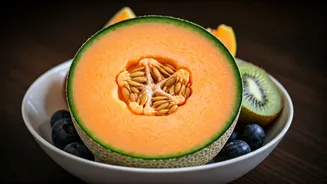
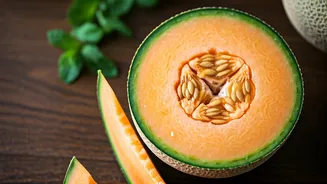
The secret to the cantaloupe’s recent glow-up starts in the soil. A growing movement of farmers and seed breeders are rejecting the rock-hard, bland commercial varieties in favor of melons bred for pure, unadulterated flavor. They are reviving heirloom seeds and developing new hybrids that put taste first. You might see them at your local farmers market under names like 'Sugar Cube,' 'Goddess,' 'Tuscan,' or 'Charentais.' These aren't your average melons. They are often smaller, with a higher sugar content (measured in Brix) and a much more intense, perfumed fragrance. The Charentais, a French heirloom, is legendary for its complex, almost tropical notes and deep orange, custardy flesh. These boutique melons don't ship as well and have a shorter shelf life, which is precisely why they taste so much better. They are grown for a local or regional market, picked at peak ripeness, and meant to be eaten within days—a true seasonal delicacy rather than a year-round commodity.
From Fruit Salad to Center Stage
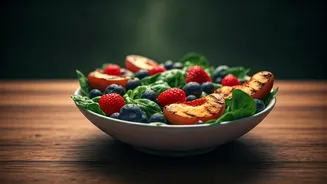
With better-tasting melons now available, chefs are finally giving cantaloupe the respect it deserves. They are moving it from the breakfast plate to the dinner menu, treating it as a versatile ingredient with both sweet and savory potential. The classic prosciutto and melon is still a winner, but the new cantaloupe cuisine is far more ambitious. Think chilled cantaloupe gazpacho with a hint of mint and lime, or wedges of melon grilled until caramelized and served with burrata and a balsamic glaze. Its sweet, musky flavor pairs beautifully with salty cheeses, spicy chiles, and bright herbs. Mixologists are muddling it into summer cocktails, and pastry chefs are featuring it in sorbets and tarts. This culinary embrace is key to its glow-up; when chefs lead, home cooks follow. It signals that this is an ingredient worth seeking out and experimenting with, not just something to chop up for a fruit platter.
How to Find the Good Stuff
You don't need a farmer or a chef to enjoy this renaissance. You just need to know how to pick a winner at the store or market. Forget thumping the melon; it’s a largely useless technique. Instead, employ your other senses. First, lift it. A ripe cantaloupe should feel heavy for its size, which indicates it's full of juice. Second, inspect the 'netting'—the web-like pattern on the rind. It should be raised, well-defined, and uniform across the surface. The color underneath the netting should be a creamy beige or golden yellow, not green. Finally, and most importantly, bring it to your nose. Sniff the end where it was attached to the vine (the 'stem end'). It should have a noticeably sweet, floral, and slightly musky aroma. If it smells like nothing, it will likely taste like nothing. If you find a good one, let it sit on your counter for a day or two to soften slightly and enhance the flavor before cutting.