



The Pitch Is a Free Sample
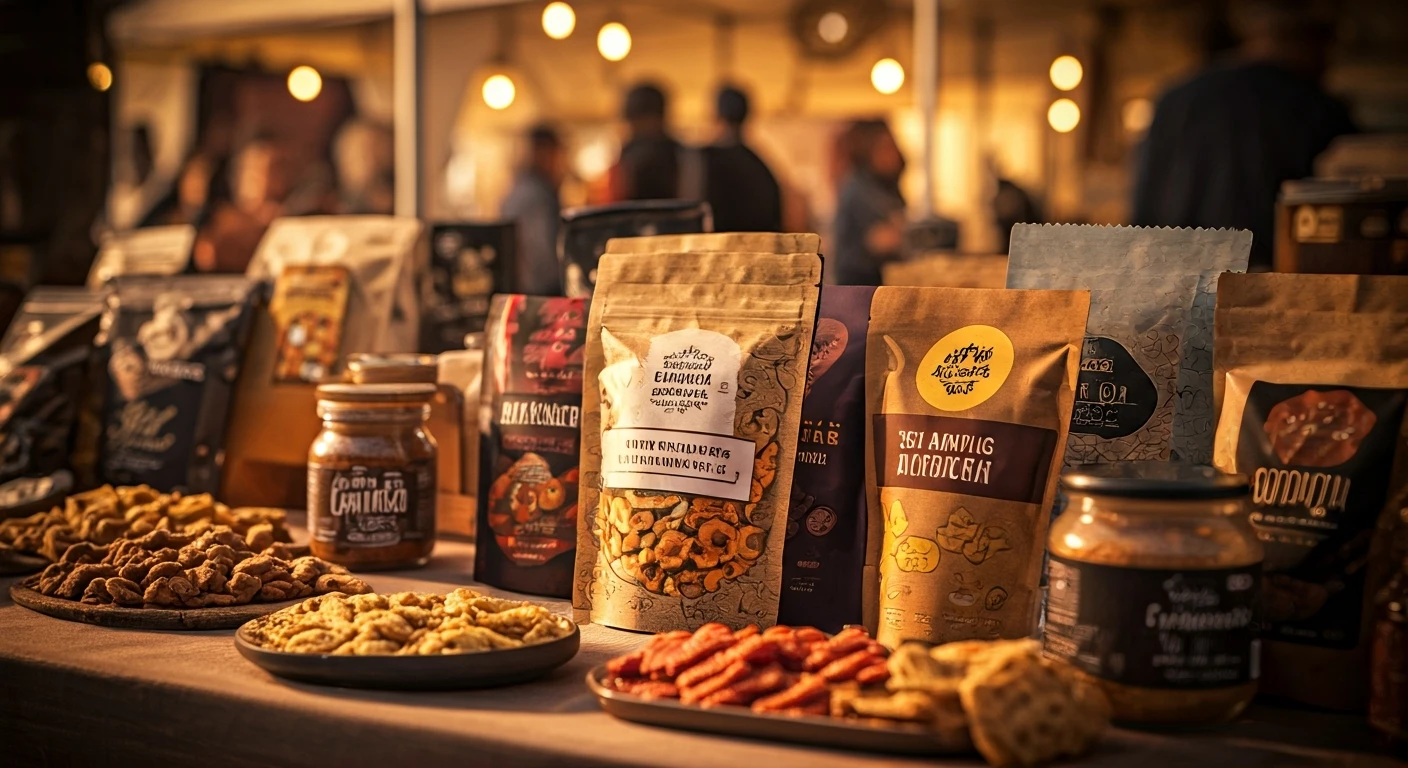
On ABC’s “Shark Tank,” entrepreneurs have 90 seconds to deliver a flawless pitch. At a food festival, the pitch is simpler and far more direct: a perfectly crispy chip, a uniquely spiced jerky, or a drizzle of unforgettable hot honey. Here, the product
does the talking. For hundreds of small-batch creators and culinary dreamers, festivals like New York’s Smorgasburg or the industry-focused Fancy Food Show have become the ultimate launchpad. Instead of convincing investors with a slide deck, they convince thousands of hungry attendees one delicious bite at a time. The initial investment from a customer is just a few dollars, but the return—instant, honest feedback—is priceless.
The 'Sharks' Are Everywhere
The magic of the food festival ecosystem is that the “sharks” aren’t just a panel of celebrity billionaires. They’re woven into the crowd, and they come in many forms. There’s the Whole Foods or Target buyer, anonymously walking the aisles and looking for the next breakout product to put on their shelves nationwide. There’s the influential food blogger or TikTok creator whose single post can trigger a viral sales explosion overnight. And there are the local restaurateurs and independent grocers searching for a unique ingredient to set their menu apart. For a small brand, a weekend at a festival offers unparalleled access to a diverse group of decision-makers they might spend years trying to get a meeting with through traditional channels.
Real-Time Market Research
One of the biggest hurdles for any new product is figuring out if people actually want to buy it. Companies spend millions on focus groups and market analysis to answer that question. At a food festival, that research happens live and in real-time. Do customers’ eyes light up after the first taste? Do they come back to buy a full-sized bag after trying a sample? Are they asking where they can find it in stores? This direct-to-consumer interaction is an invaluable data-gathering operation. Founders can test new flavors, tweak their packaging, and refine their price point based on the immediate reactions of thousands of potential buyers. It’s a low-cost, high-reward environment for validating a concept before scaling up.
From Booth to Big-Box Shelves
The history of modern snacking is filled with festival success stories. Perhaps the most famous is Mike’s Hot Honey. Founder Mike Kurtz first started drizzling his signature chili-infused honey on pizzas at a Brooklyn pizzeria. He began selling bottles at local markets and food fairs, where the buzz grew organically. It was that grassroots momentum, built festival by festival, that caught the attention of retailers. Today, the distinctive squeeze bottle is a fixture in grocery stores across the country—a testament to the power of a great product finding its audience in the wild. Similarly, the Specialty Food Association’s Fancy Food Show is a B2B mecca where a single conversation in a booth can lead to a purchase order that transforms a small-batch operation into a national brand.
The Deal Is More Than Money
While a “Shark Tank” deal is often centered on a cash investment in exchange for equity, a food festival “win” is often measured differently. The grand prize might be a distribution deal or a massive purchase order from a national chain. But just as often, success is about building brand equity. It’s the press mention in a local food guide, the collection of hundreds of new Instagram followers, and the creation of a loyal community of early adopters who feel a personal connection to the brand’s story. This organic groundswell of support is a powerful currency. It proves to future investors and retail partners that a market already exists for the product, dramatically reducing their risk and making the brand a much more attractive bet.