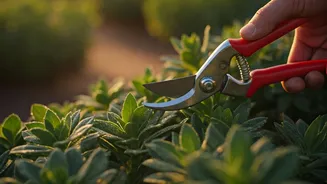







The Pre-Monsoon Promise
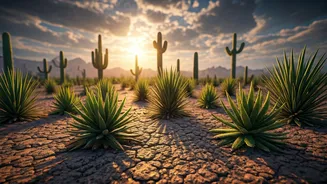
The North American Monsoon, typically arriving in late June or early July, transforms the arid landscapes of states like Arizona and New Mexico. It’s a season of spectacular thunderstorms, replenishing rain, and a surge of humidity that offers a brief,
welcome respite from the dry desert air. For your plants, this is go-time. The combination of water and warmth triggers an explosion of growth. But to make the most of this annual deluge, a little preparation goes a long way. Pruning in the weeks leading up to the first rains is one of the most effective things a gardener can do to set their plants up for a successful, vigorous summer. Think of it not as cutting back, but as channeling your plant’s energy for the big show that’s about to begin.
Why Timing Is Everything
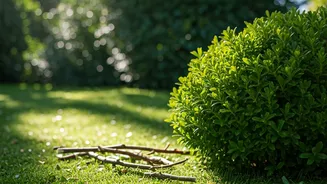
Pruning just before the monsoon season isn't just about tidiness; it's a strategic move with several key benefits. First, it stimulates new growth. Making cuts signals to the plant to produce new shoots, leaves, and flowers. When the rains arrive, the plant has a ready supply of moisture to fuel this fresh growth, resulting in a lusher, fuller appearance. Second, thinning out dense shrubs and trees improves air circulation. This is crucial because the high humidity of the monsoon can create a perfect breeding ground for fungal diseases like powdery mildew. By opening up the plant’s structure, you allow air to move freely, drying leaves more quickly and reducing the risk of infection. Finally, this is the ideal time to remove any lingering frost damage from the previous winter or dead, sun-scorched branches from the intense early summer heat. Cleaning up this deadwood prevents it from becoming a home for pests and disease while improving the plant’s overall look and health.
Your Pre-Monsoon Hit List
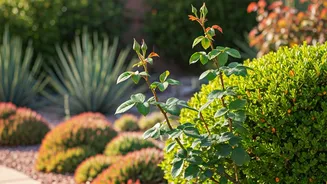
Not every plant needs the same treatment. Focus your attention on deciduous shrubs and perennials that may have become leggy or overgrown. Texas sage (Leucophyllum), with its stunning purple blooms that often burst forth after a good rain, benefits immensely from a pre-monsoon shaping to encourage a fuller form and more flowers. Other desert-adapted shrubs like creosote, brittlebush, and desert willow also respond well to a light trim. This is also a great time to deadhead flowering perennials to encourage a second wave of blooms. However, be more cautious with certain plants. Avoid major pruning on citrus trees during this time, as their fruit is developing. Cacti and succulents generally don't require this type of pruning unless you’re removing a damaged or diseased pad. The golden rule is to know your plant; when in doubt, a light touch is always better than an aggressive one.
Making the Right Cut
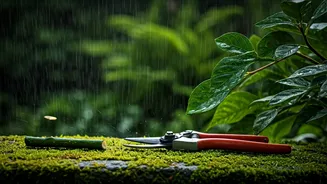
Good pruning technique is simple but essential. Always start with clean, sharp tools. Wiping your shears with a bit of rubbing alcohol between plants can prevent the spread of any unseen diseases. For general shaping, follow the “one-third rule”: never remove more than one-third of the plant’s total mass at one time. Doing so can cause stress and shock the plant. When you make a cut, locate a node—a small bump on the stem where a leaf or new branch emerges. Cut about a quarter-inch above an outward-facing node at a 45-degree angle. This encourages the new branch to grow out and away from the center of the plant, contributing to that all-important open structure and good air circulation. For removing dead branches, cut them back to the point where they meet a healthy, live branch or the main trunk.