


The Familiar City Stagnation
There’s a specific kind of exhaustion that comes from a hot weekend spent in the city. It’s not the good kind of tired, born of accomplishment or adventure. It’s a weary resignation. The plan is always the same: find air conditioning. You migrate from your
apartment to a crowded cafe, then to a dark movie theater, then maybe to a bar where condensation drips from your glass, mirroring the sweat on your back. The soundtrack is a dull roar of traffic and sirens. Every errand feels like a Herculean task. By Sunday night, you’re not refreshed; you’re just drained, counting the hours until you can return to your air-conditioned office on Monday. You’ve survived the weekend, not lived it.
An Antidote in the Himalayas
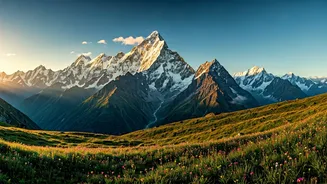
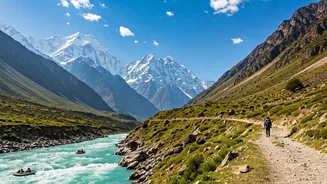
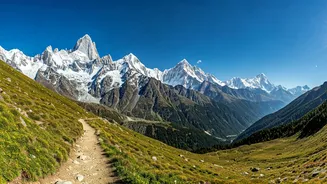
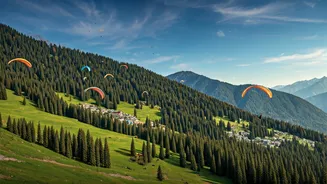
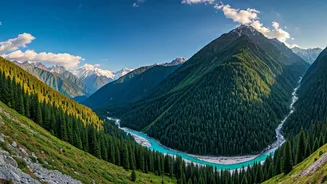
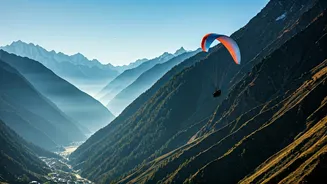
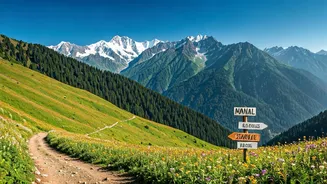
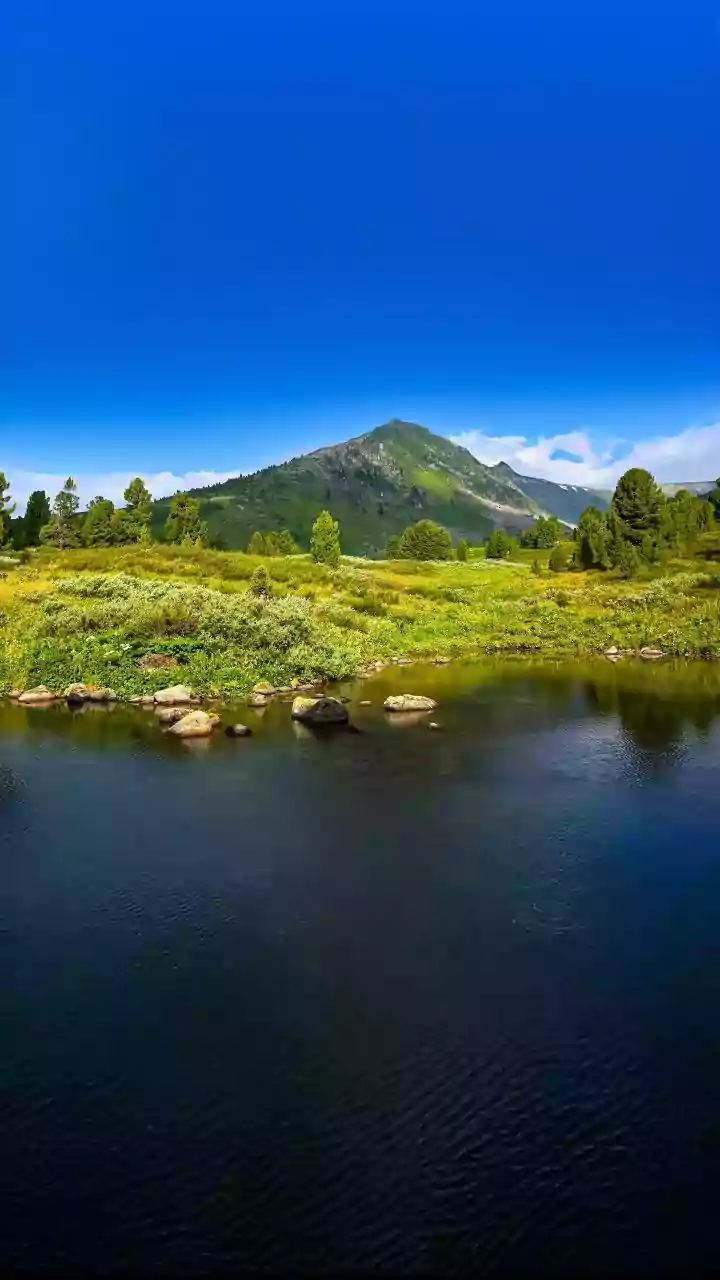
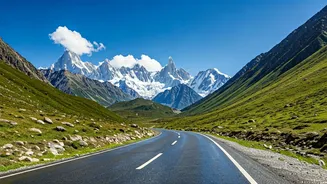
Now, imagine a different scene. You’re in Manali, a bustling mountain town nestled in India’s northern state of Himachal Pradesh, with the colossal snow-dusted peaks of the Himalayas serving as a backdrop. Instead of the smell of hot asphalt, the air is crisp and carries the scent of pine and damp earth. The soundtrack isn't traffic; it’s the constant, powerful rush of the Beas River, a ribbon of glacial meltwater that tumbles through the Kullu Valley. This isn't just a place; it's a complete sensory reset. Manali has long been a haven for backpackers, spiritual seekers, and adventurers drawn to its dramatic landscapes and vibrant energy. It’s the kind of place where the default plan isn’t to hide from the weather, but to dive right into it.
Gearing Up for the Plunge
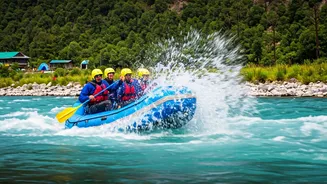
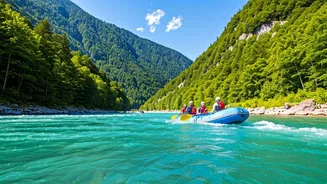
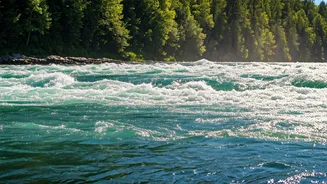
The real magic begins on the banks of the Beas. Here, the vague promise of adventure becomes thrillingly real. You’re handed a life vest, a helmet, and a paddle that suddenly feels like both a tool and a weapon. The guides, with their sun-weathered faces and easy confidence, run through the safety briefing. They teach you commands—"Forward!" "Get down!”—that you’ll soon be obeying with desperate enthusiasm. There’s a nervous energy in the air, a mix of excitement and a healthy dose of fear. You look at the river itself, and it’s not the gentle, meandering water of a city park. It’s a churning, powerful force, with white-capped waves that seem to beckon and warn you all at once. You climb into the inflatable raft with a small crew of strangers, and with a final shove, you’re suddenly at the mercy of the current.
Paddling Through Paradise
The first splash of icy water is a shock to the system, washing away any lingering city-induced lethargy in an instant. Then the guide yells, and you’re paddling—not as individuals, but as a single, focused unit. The raft bucks and swerves as it hits the first set of rapids. Water crashes over the bow, drenching everyone. You dig your paddle in, pulling with muscles you forgot you had, your focus narrowed to the water ahead and the commands being shouted from the stern. In the moments of calm between the Class II and III rapids, you finally have a chance to look around. Towering deodar cedars and pine trees line the banks. Waterfalls cascade down rocky cliffs. High above, the Himalayan peaks stand guard. This isn't a curated, man-made experience; it’s a raw, elemental dialogue between you, your crew, and the river. It’s challenging, thrilling, and profoundly beautiful.
The Satisfying Afterglow
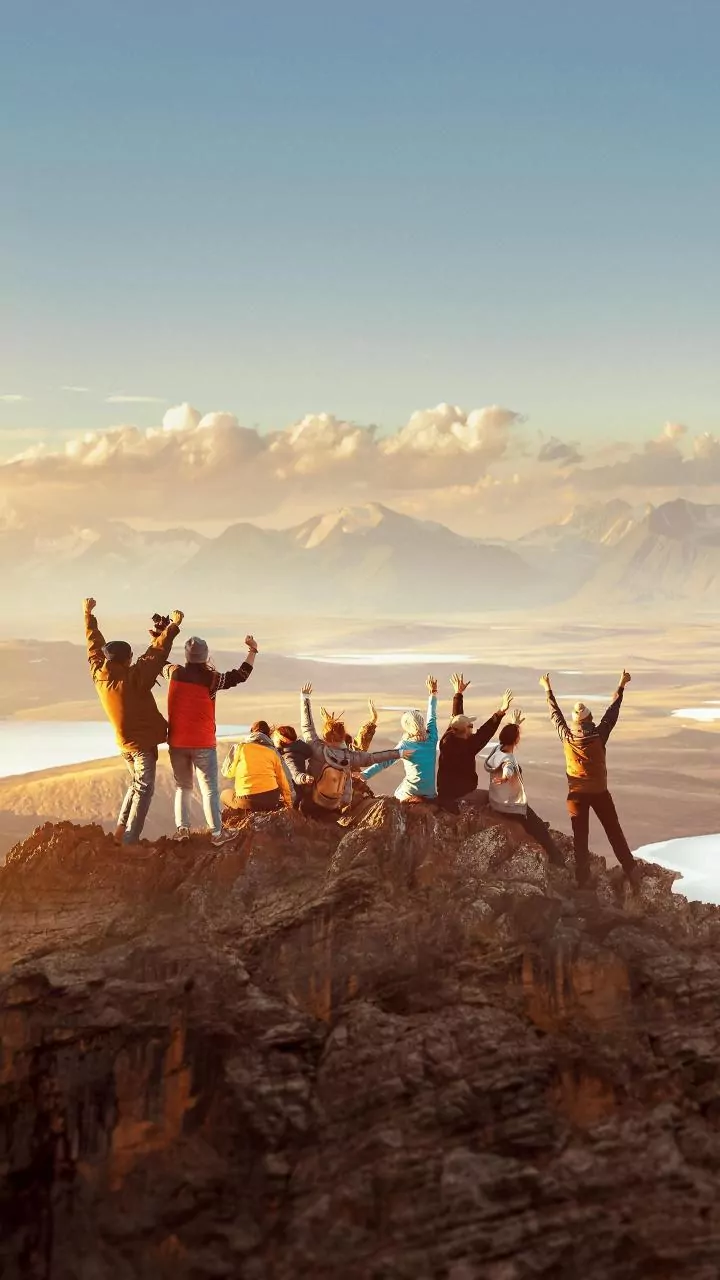
An hour or so later, when the raft finally glides into a calm eddy downstream, a different kind of feeling sets in. Your arms ache. You’re soaked to the bone and shivering slightly, but you’re grinning. A deep, satisfying exhaustion replaces the anxious energy. On the riverbank, someone hands you a cup of steaming, sweet chai that feels like the most delicious thing you’ve ever tasted. You share stories with your fellow rafters, no longer strangers but comrades bonded by the shared ordeal and triumph. This is the good kind of tired. It’s the feeling of having met a challenge, of having been fully present in your body and in nature. Compared to the numb feeling of a weekend spent staring at screens, this is pure, unadulterated life.